Week 27
Hi,
.
Welcome to the third trimester! Let’s explore the exciting moments of week twenty-seven together.
_edited.png)
14.41
inches long
30.86
ounces
This week, your baby is about the size of a tropical papaya!
Just like a papaya, plump and full of goodness your baby is growing stronger and more developed each day.
You may also notice your little one’s movements becoming more frequent and more distinct.
This sweet papaya-sized miracle is here to remind you—every flutter and kick brings a burst of tropical joy.
Your Baby's
Development
As your baby grows rapidly, each new week brings fascinating developments.
Here’s a sweet summary of what’s happening in their tiny world this week
.webp)
Eyes
Eyelids can now open and close, and the pupils respond to light. Your little one may not be blinking at you yet, but those tiny eyes are getting ready for the world.

Nose
Now fully functional, the sense of smell is beginning to develop—almost like your baby is curious about all the lovely scents waiting outside!

Skin
Baby’s skin is becoming less wrinkled as fat continues to build beneath it. A creamy white substance called vernix also protects that delicate skin.

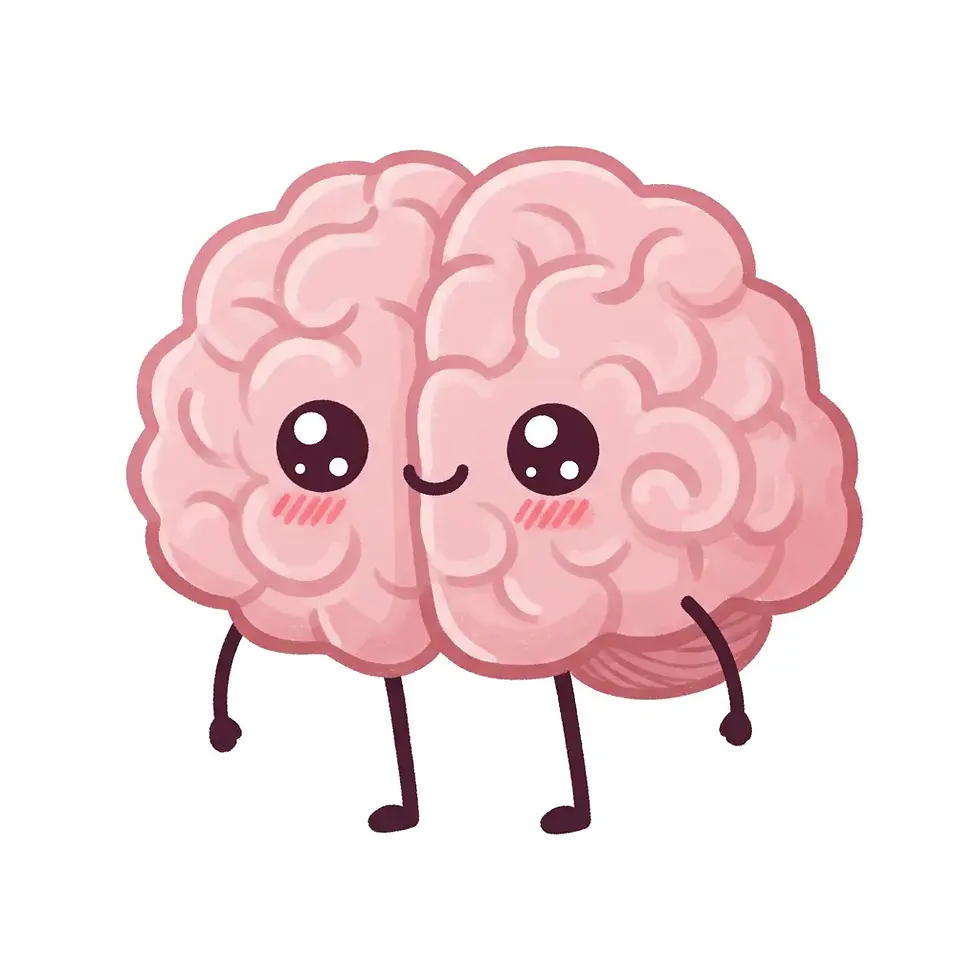
Brain
The brain is growing at full speed, using nearly half of your baby’s energy. Foundations for learning and curiosity are already forming.
.webp)
Nervous System
It’s beginning to regulate basic bodily functions, establishing a rhythm even inside the calm of the womb.
%20kopyas%C4%B1.webp)
Bones
The thigh and foot bones are now around 2 cm long. Just imagine—those tiny feet may be putting on a little dance show in your belly!
.webp)
Lungs, Liver & Immune System
Though not fully developed, these vital systems are getting stronger by the day, preparing your baby for life outside.
.webp)
Ears
Hearing continues to improve—your baby may now recognize your voice and other familiar sounds. This might be a lovely time to start singing or talking to them!
Fetal Movement & Positioning
.webp)
Your baby still has plenty of room to move freely inside the womb, so kicks may feel stronger now. You might even notice rhythmic movements—those could be tiny hiccups!
A more predictable sleep-wake cycle is also starting to form—perhaps a gentle rehearsal for life after birth.
Symptoms
you may experience

Leg Cramps
Often striking at night, cramps may be due to dehydration or low levels of potassium, calcium, or magnesium. Stretching and drinking water may help.
Back Pain
Your growing uterus puts pressure on your lower back and hips. Try proper posture, light exercise, and supportive cushions for relief.
Constipation
Slowed digestion from progesterone may cause constipation. Stay hydrated, eat fiber-rich foods, and take gentle walks.
Hemorrhoids
Increased pelvic pressure and constipation can swell veins in the rectal area. Avoid sitting too long, increase fiber, and try warm sitz baths.
Carpal Tunnel
Swelling may press on nerves in the wrist, causing numbness or tingling in the hands and fingers. Usually resolves after birth.
Fatigue & Insomnia
Discomfort, frequent urination, and cramps can affect sleep. Short naps, warm showers, and stretching may help.
Frequent Urination & Leaks
The uterus presses on the bladder. Laughing, coughing, or sneezing may cause light leaks. Pelvic floor exercises (like Kegels) can help.
Swelling (Edema)
Extra fluid can cause puffiness in your hands, feet, and face. Drink water to help your body flush out excess fluid.
Bleeding Gums
Hormonal changes may cause gum sensitivity. Brush and floss gently and see your dentist if needed.
Dizziness
Sometimes blood flow to the brain is reduced. Resting or changing positions slowly can ease the feeling.
Restless Legs Syndrome (RLS)
Also called Willis-Ekbom Disease, RLS causes a tingling or crawling feeling. Low iron or hormone changes may be involved. Talk to your doctor if symptoms persist.
Nasal Congestion
Extra blood flow and hormonal shifts may lead to blocked or runny nose—a common pregnancy symptom.
Round Ligament Pain
As your belly grows, ligaments stretch—sometimes sharply. Rest and avoiding sudden movements can help.
Braxton Hicks Contractions
Mild, irregular contractions are your body’s way of preparing for labor. Change positions, drink water, or take a warm bath for relief.
Morning Sickness (Still?)
Rare, but nausea may continue into the third trimester. If severe, contact your doctor.
Weight Gain
Healthy weekly weight gain depends on your BMI, ranging from 0.4 to 1.3 lbs/week.
Aim for a balanced 2,200-calorie diet and limit processed foods and added sugars.
What to Expect in the Early Third Trimester
As your baby grows rapidly, your body continues to adapt to meet their needs.
Here are some common symptoms you may notice this week—and why they happen

If you notice new symptoms or feel concerned about anything
Don’t hesitate to reach out to your doctor.
Whats Happening
to Your Body?
.webp)
Growing Belly
Your bump may be more visible now—your baby and uterus are expanding.
.webp)
Breasts
Fuller, more sensitive breasts are prepping for breastfeeding.
.webp)
Darker Areolas
Hormones may darken nipples and areolas—totally normal.
.webp)
Stretch Marks
Skin stretching may cause lines—moisturize to support your skin.
Shiny Hair & Fast Nails
Pregnancy hormones can boost hair volume and nail
Linea Nigra
A dark line may appear from your belly to pubic bone.
These changes show your body is beautifully adapting to nurture your little one. Be kind to yourself and rest when needed.
Whats Happening
to Your Emotions?

Mood Swings Are Common
It’s normal to feel joyful one moment and overwhelmed the next.
.webp)
Worries About
Concerns about birth or parenting may rise
Don’t hesitate to talk to your doctor or loved ones.
You're not alone—every feeling is valid, and support is always there.
Quick note!
As your baby develops so rapidly, you might also feel new physical or emotional shifts. Stay hydrated, rest when needed, and keep up with your prenatal checkups. With each passing week, the bond between you and your little miracle deepens.
Every step you take is a loving step toward welcoming your baby into a warm, safe, and nurturing world.
Quick Note!
These symptoms are signs your body is adapting to support your growing baby.
When in doubt, listen to your body and check in with your doctor.
You’re doing great—rest, hydrate, and cherish each moment of your pregnancy journey
Important note!
The Centers for Disease Control and Prevention (CDC) recommends that pregnant women receive the Tdap vaccine between weeks 27 and 36 of pregnancy.
This helps protect your baby against pertussis (whooping cough) after birth.
Your prenatal visit this week is a great opportunity to monitor your baby’s development and detect any potential risks early. Don’t hesitate to share any questions or concerns with your doctor. Take good care of yourself and your little one!
Quick Tip!
Consider prenatal classes to prepare for childbirth, postpartum, and early parenting. Every supportive step you take helps your partner feel more confident, calm, and cared for.
When Should
You Call
Doctor?

Dizziness
May signal low blood pressure, dehydration, or reduced blood flow to the brain.
Severe Headache
Could be a sign of preeclampsia, especially if accompanied by vision changes.
High Fever
Might indicate an infection that could affect both you and your baby.
Abdominal or Pelvic Pain
Can be linked to preterm labor, placental issues, or other complications.
Uncontrolled Nosebleeds
May suggest high blood pressure or clotting issues during pregnancy.
Persistent Leg Cramps
Could indicate circulation problems or mineral imbalances.
Painful or Burning Urination
Often a sign of a urinary tract infection, which can lead to more serious issues if untreated.
Vaginal bleeding
Could signal a miscarriage, placenta previa, or preterm labor
Contact your doctor or healthcare provider immediately if you experience
At 24 weeks, premature babies have a one in two chance of survival with proper hospital care and access to a well-equipped Neonatal Intensive Care Unit (NICU). This highlights the importance of being prepared for early delivery and having access to the necessary medical support.
Your weight is tracked to ensure appropriate growth for your baby, and your blood pressure is regularly checked to detect any early signs of hypertension or preeclampsia.
The distance between the top of your uterus (fundus) and your pubic bone is measured to assess fetal growth.
A urine sample is collected to monitor kidney function and check for abnormal levels of protein, glucose, or signs of infection.
If you're carrying multiples or are considered high-risk, an ultrasound may be done to more closely observe your baby's development.
This test screens for gestational diabetes. Two approaches are commonly used:
-
One-Step (OGTT):
-
Fasting blood sugar is measured.
-
After drinking 75g of glucose, your blood sugar levels are tested at 1 and 2 hours.
-
-
Two-Step Approach:
-
Step 1: Drink 75g of glucose and have your blood sugar tested after 2 hours.
-
If abnormal, Step 2 involves a 3-hour glucose tolerance test with measurements at fasting, 1, 2, and 3 hours.
-
Abnormal results may indicate gestational diabetes.
-
-
If your doctor diagnoses gestational diabetes or another condition, it's crucial to follow all medical advice—this includes taking prescribed medications, maintaining a healthy diet, and incorporating recommended lifestyle changes.
Your OB-GYN Visit This Week
At this stage of your pregnancy, your doctor may perform the following tests and checks to closely monitor both your and your baby’s health
Is There
a Risk Of
Miscarriage?
Structural
abnormalities
Uncontrolled
maternal diabetes
or exposure to
teratogens
Infections
Sexually
transmitted
diseases
Hormonal
abnormalities
Unbalanced
lifestyle
The risk of miscarriage at 19 weeks gestation is very rare, but the possibility of pregnancy loss in the second trimester is not completely eliminated
-Approximately 1-5% of pregnancy losses occur between 13 and 19 weeks of pregnancy.
- Of these losses, 24% are due to chromosomal abnormalities in the fetus.
If you notice any of the following symptoms, you should contact your doctor immediately
-
Severe abdominal cramps
Intense pain in the lower abdomen or back. -
Bleeding
Bleeding can be light spotting or more intense
Signs of Miscarriage
at 18 Weeks
To reduce the risk of miscarriage
-
Adopting a healthy lifestyle
-
Detecting possible complications with early pregnancy tests
-
Regularly attending the treatments and prenatal check-ups recommended by your doctor
-
Always consult your doctor before using herbal supplements
Sharing every change you experience this week, big or small, with your doctor will ease your worries. Remember, with healthy living habits and guidance from your doctor, you can be one step closer to safely embracing your little miracle.
How to
Prevent Miscarriage?

Unsafe
Plants
in Pregnancy
Saw palm
Dong Quai
Goldenseal
Ephedra
Passion flower
Pay D'Arco
Yohimbe
Black gentian
Roman chamomile
Blue gentian
Dandelion
Chamomile
Stinging nettle
Aloe
Mint leaf
Ginseng
Fireweed
Cassia
Kava Kava
Evening flower
These plants can cause uterine contractions that can lead to miscarriage, premature birth or damage fetal development

Safe
Plants
in Pregnancy
Red raspberry leaf
Peppermint leaf
Ginger root
Oats and oat straw
Slippery elm bark
Each herb works differently , your doctor will know what’s best for you. When using herbs, eat well and drink plenty of water. Always choose what’s safest for you and your baby.
With your doctor’s approval, you may consume the following herbs in moderation
As your blood volume increases, don’t forget to drink water to prevent cramps and support circulation.
-
Cushions or pillows can be very comfortable when placed behind your back while sitting or under your belly while sleeping.
-
-
Increase your omega-3 intake by eating 12 oz (about 340 g) of fish per week. (Avoid shark, mackerel, and tilefish!)
-
Fatty and fried foods can trigger heartburn, so opt for lighter choices.
-
Creating a calm environment can help balance your mood and make this period easier.
-
Whole grain bread, fruits and vegetables, bran, and cereals are part of a healthy diet.
-
Increasing fiber intake can help relieve constipation and make you feel more comfortable.
-
Your body is working hard for your little miracle; take regular breaks and get enough sleep.
Smoking, alcohol, and excessive caffeine can negatively affect your baby’s development.
Don’t forget to take iron, calcium, and folic acid supplements in the doses your doctor recommends.
-
Your gums may become more sensitive during pregnancy; regular dental check-ups and care are important.
-
-
Kegel exercises strengthen your pelvic floor muscles.
-
Light walks help maintain your fitness and improve blood circulation.
-
Stay away from activities that may put extra strain on your back and waist.
Always consult your doctor before taking any over-the-counter medications.
Loose clothing and suitable shoes will make you feel more comfortable.
If possible, let someone else take care of it to prevent toxoplasmosis.
Sharing daily tasks, receiving emotional support, and spending enjoyable time together will make this period easier for both you and your baby.
Tips for You

By following these tips, you can enjoy a healthy and happy 27th week.
Remember, every pregnancy is unique; listen to your body and follow your doctor’s advice to enjoy this special journey!
Must-Have Products
for This Week!
Join her for baby shopping and plan small outings like a relaxing walk or spa visit to lift her spirits.
Being there for your partner helps her feel safe and allows you to learn about the baby’s development together.
Turn your home into a peaceful space with relaxing lights and soft music. Small details can help reduce stress for the mother-to-be.
Help with cooking, cleaning, or shopping. This gives her more time to rest.
Picking out comfortable and stylish clothes together can turn this into a fun activity.
Plan short walks or weekend getaways to reduce stress and create pleasant memories.
Gentle massages ease the fatigue of the day and help your partner relax. A little care means a lot!
Join her for doctor-approved light exercises or walks. This boosts her motivation and helps you spend quality time together.
Research name options together and make a list of your favorites.

Tips for Partner
During this period, try these sweet and helpful ideas to ensure your partner’s comfort and prepare yourself for parenthood

Movie Pick
of the week

Junior
is a quirky classic for comedy lovers! Arnold Schwarzenegger plays a fertility doctor who ends up becoming pregnant himself. Yes—you read that right! From morning sickness to labor pains, he experiences the full journey of pregnancy. This hilarious and heartwarming film reminds us how truly miraculous (and unpredictable!) pregnancy can be.

Book Pick
of the week

The Montessori Toddler
by Simone Davies
Why It’s Great for Expecting Parents:
This guide introduces the core principles of the Montessori method, helping you support your toddler’s natural curiosity and independence. Reading it during pregnancy lays a foundation for a peaceful, respectful relationship with your child—and sets the stage for raising a confident, joyful little learner.
Name Suggestions
of the week
David
David is of Hebrew origin and means "beloved." It indicates that your baby will be someone who is loved, respected, and wise. David also symbolizes a personality that inspires others with a sense of leadership and justice.
Nevada
Nevada is of Spanish origin and means "snow-covered." It symbolizes a calm, pure, and peaceful spirit. It suggests that your baby will have a serene and nature-loving character. Nevada also reflects elegance and balance.
Share Your Week with Us!
Every week of pregnancy is a new chapter, a unique experience…
How was your week? How are you feeling? Share your little joys, excitements, or questions with us!
Your experiences can inspire and support other moms-to-be on the same journey.

-
Fatigue is common during this time—listen to your body and try to rest as much as possible.
-
Don’t skip your doctor visits, as twin pregnancies need close monitoring.
-
-
This is a great time to join childbirth classes or prenatal education courses. Aim to complete them by week 37.
-
Reading about breastfeeding, postpartum care, and baby care will help you feel more confident and prepared.
-
-
Gestational Diabetes: Can be screened and managed with a glucose tolerance test (OGTT).
-
Preeclampsia: Symptoms include high blood pressure and protein in the urine.
-
Urinary Tract Infections: More frequent urination can increase the risk—stay alert.
-
Preterm Labor: Watch for regular contractions, unexpected vaginal bleeding, or fluid leakage—call your doctor immediately.
Regular check-ups are essential for early diagnosis and treatment.
-
-
From week 27 onwards, preterm babies have a high survival rate with NICU support and neonatal care.
-
About 9 out of 10 babies survive with appropriate care, although mild to moderate long-term complications may still occur.
-
-
B and T lymphocytes continue maturing and become active in the spleen.
-
However, the baby still relies heavily on the mother’s antibodies, which are crucial for post-birth immunity.
-
-
For a healthy, uncomplicated pregnancy, check-ups are typically scheduled once every 4 weeks until week 28.
-
If you’re in a high-risk group or your doctor advises otherwise, visits may be more frequent.
-
FAQ
Explore & Learn


I hope this blog has provided you with helpful information about pregnancy while also making your reading experience enjoyable. Remember, the details shared here are purely for awareness, entertainment, and educational purposes.
If you have any questions or concerns during this journey, don’t hesitate to consult your doctor. Wishing you a healthy and love-filled pregnancy!
SEE YOU NEXT WEEK WITH NEW AND EXCITING INSIGHTS!
For Underweight Moms-to-Be
or Those Struggling to Gain Weight
Gender Screening on Ultrasound
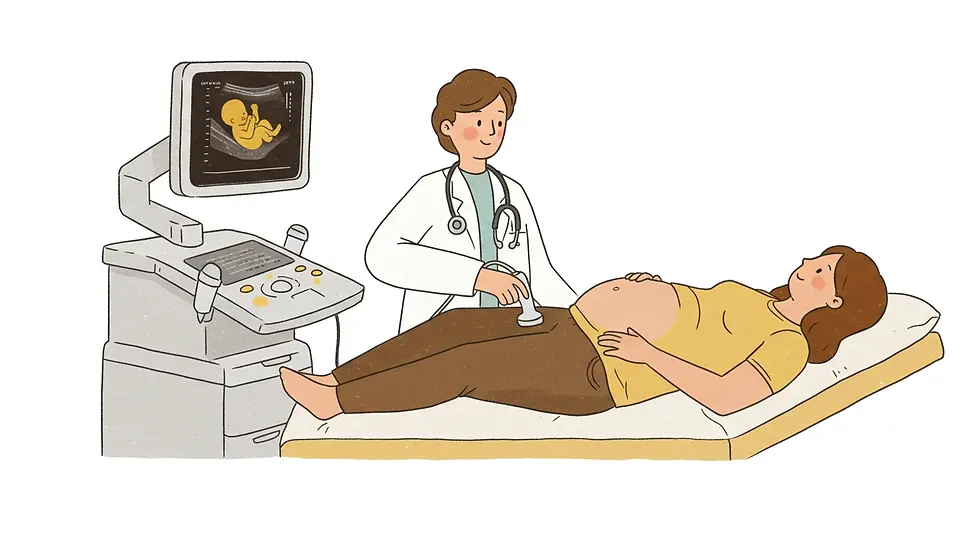
However, for the most accurate results, it’s typically best to wait until around 20 weeks,
when gender differences become more pronounced. While gender predictions can be made as early as week 16, waiting a few more weeks can provide a clearer and more definitive answer
Baby Boy
On an ultrasound, the genitalia of a baby boy may appear as a snail or turtle
shape. This image can be a clue that your baby is a boy.
Baby Girl
For a baby girl, the ultrasound may show three distinct lines (the outer edges of the vulva). These lines are indicative of a baby girl.