Week 16
Hi,
.
Are you ready to feel your baby’s first little moves?
Let’s dive into the excitement of week 16 together!

4.57
inches long
3.53
ounces
Your baby is as soft and healthy as a perfectly ripe avocado!
Just like the pit of an avocado, your baby is now at the very center of a world full of love.
Your Baby's
Development
This week marks the time when your baby is preparing for a significant growth spurt.
The coming weeks, your baby will become more active, and many of their complex systems will continue developing.

Skin
Your baby’s skin is transparent and pinkish in color. The blood vessels beneath it are clearly visible.

Limbs
Tiny feet may start making kicking motions, while hands begin to show a grasp reflex. Toenails are starting to grow, and your baby can now suck their thumb.

Eyes
The eyes are becoming increasingly sensitive to light.

Lips
A defined philtrum (medial groove) forms in the center of the upper lip, giving it the distinctive “Cupid’s bow” shape.

Muscular and
Skeletal System
Muscles and bones are organizing, allowing facial muscles to create expressions.

Nervous System
The developing nervous system supports your baby’s reflex movements. Your baby may start showing reflexes like grasping and playing with the umbilical cord.
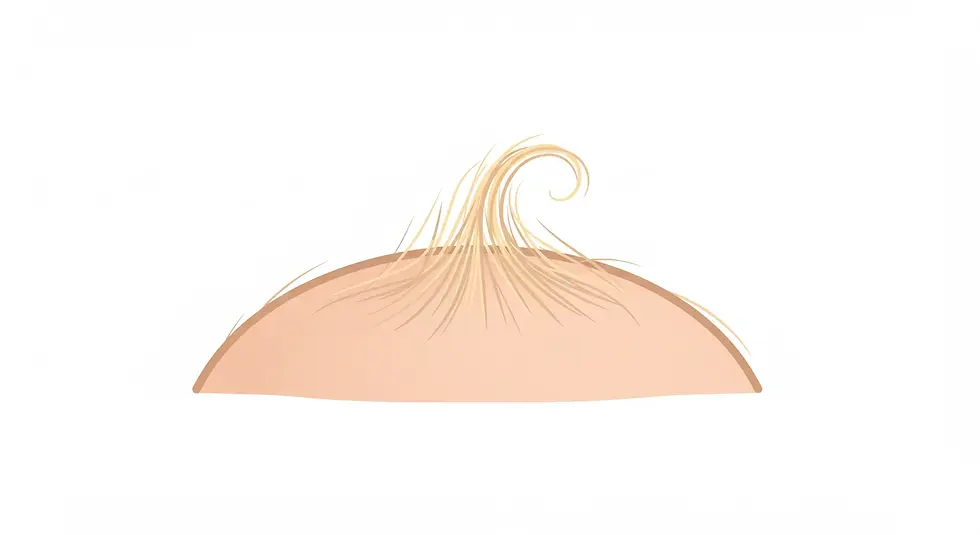
Head and Scalp:
As the spine strengthens, the head and neck gain a more upright position. While hair hasn’t grown yet, the patterns on the scalp are starting to emerge.

Heart and Blood Flow
The heart pumps about 25 liters of blood daily, and this amount will increase as your baby grows.

Placenta
The placenta is expanding with blood vessels to support the transfer of oxygen and nutrients.
What’s Happening to Your Body
This week, you may notice a variety of changes and new symptoms in your body.
Here’s what to keep an eye on
First Kicks
You might begin feeling your baby’s first movements, like flutters or quickening.
At first, these may be mistaken for indigestion.
.webp)
Breast Growth
Your breasts may start to grow as they prepare for breastfeeding.
.webp)
Pregnancy Glow
Increased blood flow gives your face a radiant look, and your skin may
appear oilier and more vibrant. This is often called the “pregnancy glow.

Nail and Hair Health
Some moms-to-be notice that their nails and hair look healthier and
stronger during this time.

Back Pain
Hormonal changes can increase back pain. Gentle stretches and low-impact
exercises may help, but always consult your doctor first.

Constipation
Hormones and the growing uterus pressing on the intestines can lead to
constipation. Drink plenty of water and eat fiber-rich foods.
Vaginal Discharge
You may notice an increase in vaginal discharge, which helps protect
against infections. Choose hygienic but gentle cleansing methods to avoid irritation..

Varicose Veins
Pressure on blood vessels can cause varicose veins. Managing your
weight, avoiding prolonged sitting or standing, and elevating your legs can be beneficial.

Bleeding Gums
Pregnancy hormones can make your gums more sensitive. Maintain good
oral hygiene and visit your dentist regularly.

Leg Cramps
Exercise and stretching your leg muscles can help prevent cramps.

Heartburn
Hormones can slow digestion, leading to heartburn. Avoid spicy foods and eat
smaller, more frequent meals.

Nosebleeds
Increased blood flow to your nasal passages may cause nosebleeds. Use a
humidifier or a neti pot to keep your nose moist.

Forgetfulness
It’s normal to experience mild forgetfulness or difficulty
concentrating.

Dry, Itchy Eyes
Hormonal changes may cause dry eyes. Check with your doctor before
using eye drops.
This week, you may notice a variety of changes and new symptoms in your body.
Here’s what to keep an eye on
First Kicks
You might begin feeling your baby’s first movements, like flutters or quickening.
At first, these may be mistaken for indigestion.
Breast Growth
Your breasts may start to grow as they prepare for breastfeeding.
Pregnancy Glow
Increased blood flow gives your face a radiant look, and your skin may
appear oilier and more vibrant. This is often called the “pregnancy glow.”
Nail and Hair Health:
Some moms-to-be notice that their nails and hair look healthier and
stronger during this time.
Back Pain
Hormonal changes can increase back pain. Gentle stretches and low-impact
exercises may help, but always consult your doctor first.
Constipation:
Hormones and the growing uterus pressing on the intestines can lead to
constipation. Drink plenty of water and eat fiber-rich foods.
Vaginal Discharge:
You may notice an increase in vaginal discharge, which helps protect
against infections. Choose hygienic but gentle cleansing methods to avoid irritation.
Varicose Veins
Pressure on blood vessels can cause varicose veins. Managing your
weight, avoiding prolonged sitting or standing, and elevating your legs can be beneficial.
Bleeding Gums
Pregnancy hormones can make your gums more sensitive. Maintain good
oral hygiene and visit your dentist regularly.
Leg Cramps:
Exercise and stretching your leg muscles can help prevent cramps.
Heartburn
Hormones can slow digestion, leading to heartburn. Avoid spicy foods and eat
smaller, more frequent meals.
Nosebleeds
Increased blood flow to your nasal passages may cause nosebleeds. Use a
humidifier or a neti pot to keep your nose moist.
Forgetfulness (Pregnancy Brain)
It’s normal to experience mild forgetfulness or difficulty
concentrating.
Dry, Itchy Eyes
Hormonal changes may cause dry eyes. Check with your doctor before
using eye drops.
What’s Happening to Your Body
This Week?

If you notice new symptoms or feel concerned about anything
Don’t hesitate to reach out to your doctor.
Quick note!
During week 16, you may also experience symptoms such as;
-
nasal congestion
-
dizziness
-
or fainting
Don’t worry, but it’s a good idea to inform your doctor if you notice these.
The State of Your Growing Belly
This week, the changes in your belly are becoming even more noticeable. You might have gained about one pound due to increased blood and fluid volume.
Additionally, your uterus has now grown large enough to hold nearly a cup of amniotic fluid! This provides your baby with more room and a cozy environment to grow.
In short, it’s an exciting time for both you and your baby!

How Should You Eat?

Calorie Requirements: According to the Centers for Disease Control and Prevention (CDC),
you need an extra 340 calories per day during the second trimester.
However, this requirement may vary depending on your weight and activity level.
For Overweight
or Obese Moms-to-Be


For Underweight Moms-to-Be
or Those Struggling to Gain Weight


Your doctor will review your overall health and discuss any symptoms you may be experiencing.
This is also a great opportunity to ask any questions you might have.
During this visit, your blood pressure, weight, and height will be measured. You may also undergo thyroid, breast, lung, heart, abdominal, and vaginal examinations.
Urine and blood tests will be conducted to monitor for gestational diabetes and
preeclampsia. These tests also check for signs of urinary tract infections.Your doctor will use a handheld device called a Doppler to let you hear your baby’s
heartbeat for the first time. This becomes a routine part of future visits.Several screenings may be conducted to check for birth defects or genetic disorders:
○ Multiple Marker Screening: A blood test to detect conditions like Down
syndrome and spina bifida.
○ Amniocentesis: A diagnostic test that checks for Down syndrome and other
chromosomal abnormalities. Since it carries a slight risk of miscarriage, it is
recommended only in high-risk cases.
○ Alpha-fetoprotein (AFP) Test: A blood test that evaluates genetic disorders
and neural tube defects.
What to Expect at Your Second OB-GYN Visit?
Important note!
Your doctor may recommend the pertussis (whooping cough) vaccine during this stage.
This vaccine is essential for protecting your baby’s health.
Gender Screening on Ultrasound
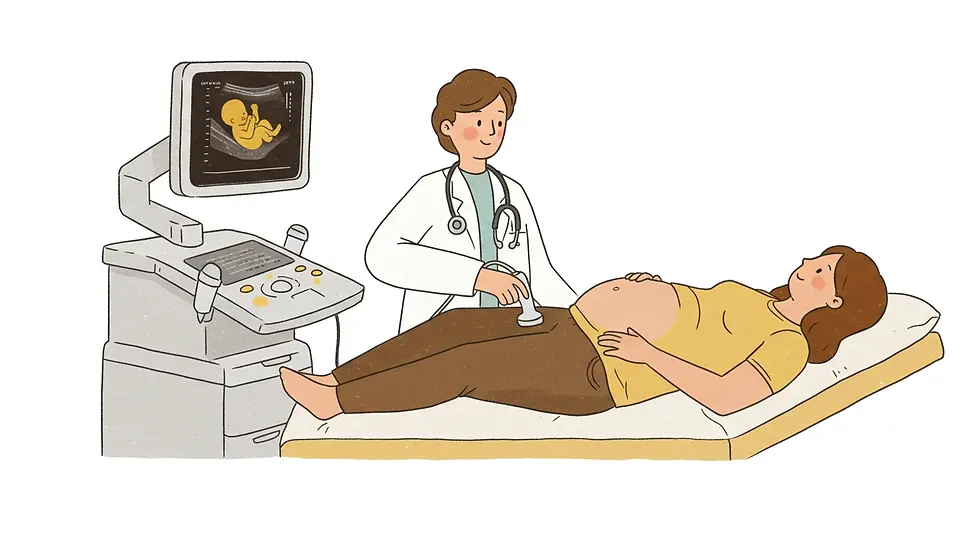
However, for the most accurate results, it’s typically best to wait until around 20 weeks,
when gender differences become more pronounced. While gender predictions can be made as early as week 16, waiting a few more weeks can provide a clearer and more definitive answer
Baby Boy
On an ultrasound, the genitalia of a baby boy may appear as a snail or turtle
shape. This image can be a clue that your baby is a boy.
Baby Girl
For a baby girl, the ultrasound may show three distinct lines (the outer edges of the vulva). These lines are indicative of a baby girl.

Movie Pick
of the week
Holly (Katherine Heigl) and Eric (Josh Duhamel) can barely stand each other, yet they suddenly find themselves raising baby Sophia together as her godparents after an unexpected event changes everything. As they navigate the chaos of parenthood, they must learn to work together and create a home for her.
While it may not be an Oscar-winning film, Melissa McCarthy’s hilarious moments as the quirky neighbor will have you laughing, the sweet romantic scenes will warm your heart, and baby Sophia’s adorable cuteness is the cherry on top!
If you're looking for a heartwarming family movie to enjoy during pregnancy, Life as We Know It is a perfect pick!

Book Pick
of the week
This parenting guide is a must-read for understanding and connecting with toddlers. Written by renowned pediatrician Harvey Karp, the book offers practical advice and easy-to-follow tips to nurture a happy, well-adjusted little one.
Satisfy your sweet cravings with yogurt or fruit, and reach for string cheese to
curb salty snack cravings. These choices not only address your pregnancy cravings but also
help meet your calcium and protein needs. Remember, not everyone experiences cravings.
As blogger mom Abi Porter shares, “I haven’t had any cravings yet, but I’m 100 times
thirstier.”Light exercises for 30 minutes, such as walking or swimming, are great for a
healthy pregnancy. Just make sure to consult your doctor before starting any new routine.
Breastfeeding advocate Genevieve Howland describes her boost in energy during this
phase: “I feel like I could go on all-day outings. In my first trimester, I could barely move.”Start exploring baby products like cribs and strollers. Don’t forget about
yourself—treat yourself to some trendy maternity wear that makes you feel good.Starting this week, sleeping on your side becomes more important.
Use pillows for support or invest in a pregnancy pillow. If you’re used to sleeping on yourstomach, adjusting to this new position might take time. Abi Porter shares, “I hate
side-sleeping because I’ve been a stomach-sleeper my whole life.”Several screenings may be conducted to check for birth defects or genetic disorders:
○ Multiple Marker Screening: A blood test to detect conditions like Down
syndrome and spina bifida.
○ Amniocentesis: A diagnostic test that checks for Down syndrome and other
chromosomal abnormalities. Since it carries a slight risk of miscarriage, it is
recommended only in high-risk cases.
○ Alpha-fetoprotein (AFP) Test: A blood test that evaluates genetic disorders
and neural tube defects.Sharing your concerns not only provides you with
support but also helps your partner understand what you’re experiencing. Open communication makes the journey easier for both of you.Searching for baby names can be exciting and serve as a
stress-relieving activity. Preparing a baby registry is another fun and thrilling way to get
ready.Whether it’s about your health, finances, or choices for your
baby, trust your instincts and move forward confidently.As your bump becomes more noticeable, document your
pregnancy by taking photos in the same pose each day or even creating a stop-motion
video—it’s a fun way to capture your journey!
Tips for You

Must-Have Products
for This Week!
Name Suggestions
of the week
Santiago
Santiago, of Spanish origin, translates to "Saint James." This name carries a sense of spiritual depth, suggesting that your baby will grow up to be determined, wise, and resilient.Santiago also represents a personality that inspires trust and motivation in those around them.
Riley
Riley, of Irish origin, means "brave." It symbolizes the courage, confidence, and strength your baby is bound to bring into life. Riley also reflects a cheerful and adventurous spirit, representing freedom and dynamism.
Once your partner starts feeling the baby’s movements, a whole new
sense of curiosity begins. You can strengthen the connection by reading books or softly
singing to the baby—your voice will become familiar and comforting, building a beautiful
bond.Expressing your love during this time means the world to your partner. Your
affection and support will make them feel secure and cherished, creating precious moments
that you’ll both remember forever.Pregnancy brings many changes to your partner’s body, which can
sometimes affect their self-esteem. Offering positivity and encouragement can help them
embrace these changes. Remember, small gestures can make them feel special and strong.Take advantage of this special opportunity for a getaway before the baby arrives! The
second trimester is the perfect time for travel, giving you both a chance to relax and enjoy
quality time together. This trip can be a delightful way to prepare for the exciting new chapter ahead.

Tips for Partners
Share Your Week with Us!
Every week of pregnancy is a new chapter, a unique experience…
How was your week? How are you feeling? Share your little joys, excitements, or questions with us!
Your experiences can inspire and support other moms-to-be on the same journey.
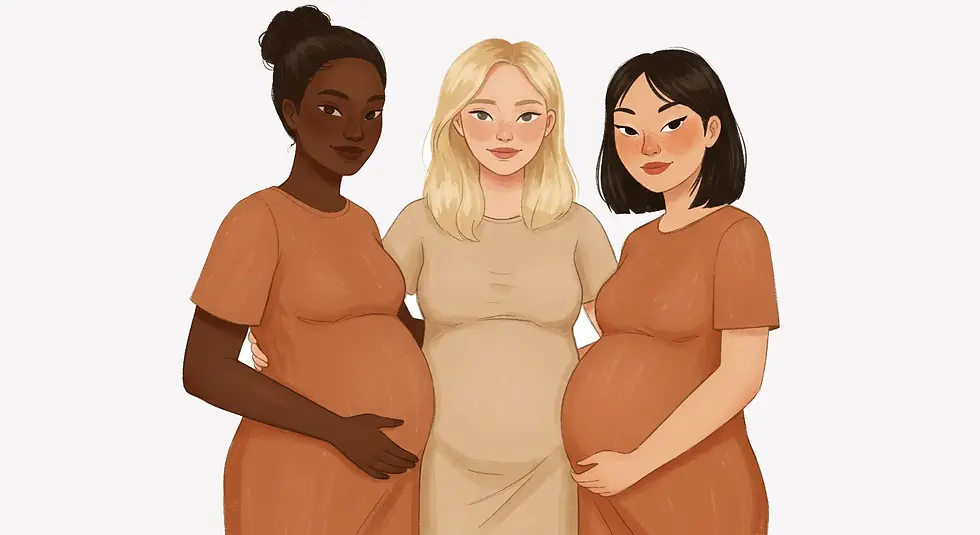
Your doctor will review your overall health and discuss any symptoms you may be experiencing.
This is also a great opportunity to ask any questions you might have.
During this visit, your blood pressure, weight, and height will be measured. You may also undergo thyroid, breast, lung, heart, abdominal, and vaginal examinations.
Urine and blood tests will be conducted to monitor for gestational diabetes and
preeclampsia. These tests also check for signs of urinary tract infections.Your doctor will use a handheld device called a Doppler to let you hear your baby’s
heartbeat for the first time. This becomes a routine part of future visits.Several screenings may be conducted to check for birth defects or genetic disorders:
○ Multiple Marker Screening: A blood test to detect conditions like Down
syndrome and spina bifida.
○ Amniocentesis: A diagnostic test that checks for Down syndrome and other
chromosomal abnormalities. Since it carries a slight risk of miscarriage, it is
recommended only in high-risk cases.
○ Alpha-fetoprotein (AFP) Test: A blood test that evaluates genetic disorders
and neural tube defects.
FAQ
Explore & Learn


I hope this blog has provided you with helpful information about pregnancy while also making your reading experience enjoyable. Remember, the details shared here are purely for awareness, entertainment, and educational purposes.
If you have any questions or concerns during this journey, don’t hesitate to consult your doctor. Wishing you a healthy and love-filled pregnancy!