Week 17
Hi,
.
Your baby’s development is picking up speed.
Let’s discover what this week brings.

5.12
inches long
4.94
ounces
This week, your baby is about the size of a vibrant, ruby-red radish!
This tiny radish is growing stronger every day. Just like a root vegetable gathering strength under the soil, your little one is quietly filling up with energy, growing with their own unique charm and resilience.
Your Baby's
Development
As your baby’s body becomes more proportional with the head, each day brings new, exciting milestones

Skin
Wrinkly and now coated with a waxy substance called vernix that protects the skin from amniotic fluid.
.webp)
Taste buds
Now developed — baby can sense sweet or bitter flavors.

Eyes
Eyelids remain shut, but eyelashes and eyebrows are sprouting.
.webp)
Kidneys
Producing urine every 50 minutes; your baby can even swallow it as part of the amniotic fluid cycle.
.webp)
Fingers
Unique fingerprints are already formed.
.webp)
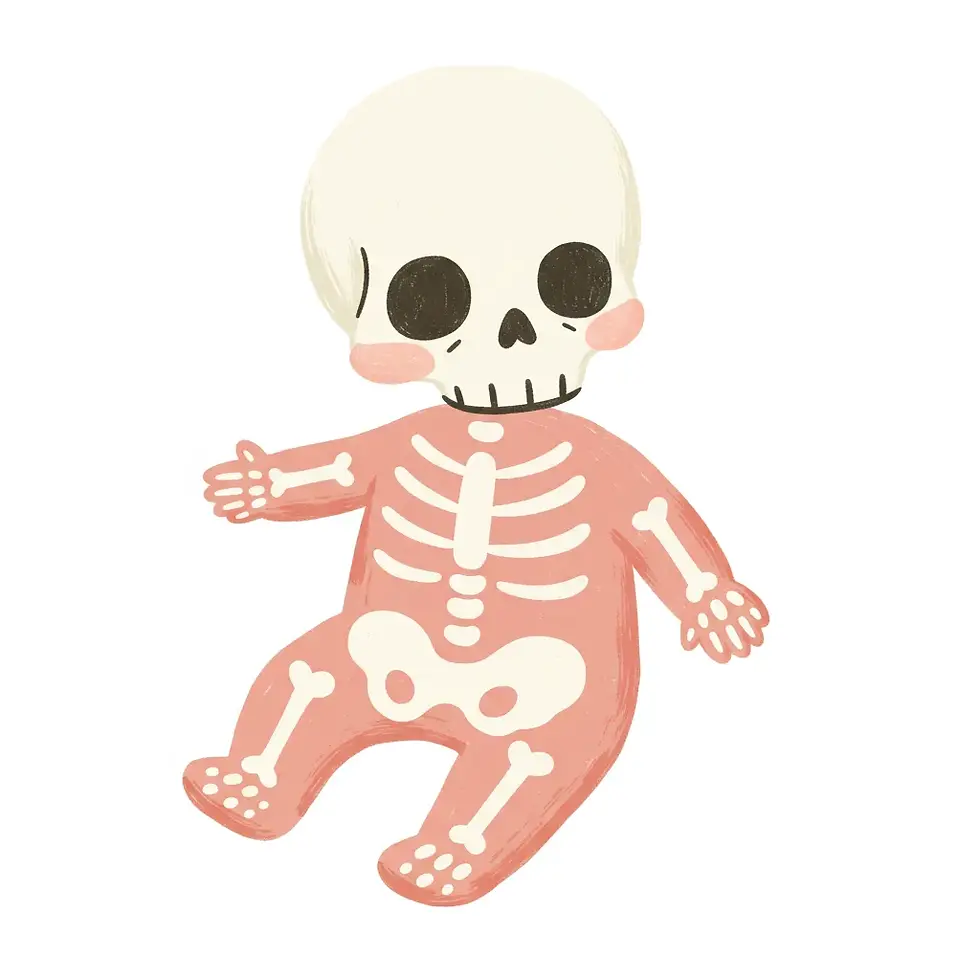
skeleton
Slowly transforming from soft cartilage into bone.
.webp)
Spinal Cord
Being coated in a protective substance called myelin — helping brain-to-body messages travel fast.

Heart and Blood Flow
Beating rapidly at 110–180 beats per minute.
.webp)
Reflexes
Sucking reflex is strong — your baby might start thumb-sucking now.
.webp)
Intestines
Starting to form meconium — baby’s first poop.
What’s Happening to Your Body
This week, you may notice a variety of changes and new symptoms in your body.
Here’s what to keep an eye on
.webp)
Increased hair volume
Due to hormonal changes, especially estrogen, hair can appear more voluminous and healthier. This is a natural beauty boost that many expectant mothers experience throughout pregnancy.
.webp)
More Noticeable Baby Bump
As your baby is growing rapidly, your belly becomes more prominent. This means that the growth starts to be noticeable from the outside.
.webp)
Round Ligament Pain
The enlargement of your uterus can cause mild pain on the sides of your abdomen. These pains are normal and are called round ligament pain
.webp)
Changes in the breasts
As the breasts grow, the areolas may darken and the blue and green veins may become more prominent as there is more blood flow to the breasts.
.webp)
Itchy Skin
A slight itch is normal as the skin stretches with the growing abdomen. However, if you experience intense itching on the abdomen, palms and soles of the feet, this may be a sign of a liver condition called obstetric cholestasis (OC).
.webp)
Stretch Marks
Stretch marks may appear due to stretching of the skin with a growing belly. You can try to keep your skin soft by using moisturizer.
.webp)
Brittle Nails
Due to hormonal changes during the second trimester, nails may grow faster but may become brittle or soft.
.webp)
Vivid Dreams
Your dreams may become more vivid and strange as a result of fears, expectations and worries about new responsibilities during pregnancy. This is completely normal and many expectant mothers experience such dreams.
.webp)
Anxiety or Stress
Health concerns during pregnancy and the thought of parenting responsibilities can lead to stress and anxiety. However, remember that these feelings are experienced by many expectant mothers and getting support can help you relax during this process.
.webp)
Hearing Baby’s Heartbeat
In addition to anxiety, this week you may experience great excitement and happiness by hearing your baby's heartbeat on ultrasound. This can be one of the most special and unforgettable moments of your pregnancy.
This week, you may notice a variety of changes and new symptoms in your body.
Here’s what to keep an eye on
First Kicks
You might begin feeling your baby’s first movements, like flutters or quickening.
At first, these may be mistaken for indigestion.
Breast Growth
Your breasts may start to grow as they prepare for breastfeeding.
Pregnancy Glow
Increased blood flow gives your face a radiant look, and your skin may
appear oilier and more vibrant. This is often called the “pregnancy glow.”
Nail and Hair Health:
Some moms-to-be notice that their nails and hair look healthier and
stronger during this time.
Back Pain
Hormonal changes can increase back pain. Gentle stretches and low-impact
exercises may help, but always consult your doctor first.
Constipation:
Hormones and the growing uterus pressing on the intestines can lead to
constipation. Drink plenty of water and eat fiber-rich foods.
Vaginal Discharge:
You may notice an increase in vaginal discharge, which helps protect
against infections. Choose hygienic but gentle cleansing methods to avoid irritation.
Varicose Veins
Pressure on blood vessels can cause varicose veins. Managing your
weight, avoiding prolonged sitting or standing, and elevating your legs can be beneficial.
Bleeding Gums
Pregnancy hormones can make your gums more sensitive. Maintain good
oral hygiene and visit your dentist regularly.
Leg Cramps:
Exercise and stretching your leg muscles can help prevent cramps.
Heartburn
Hormones can slow digestion, leading to heartburn. Avoid spicy foods and eat
smaller, more frequent meals.
Nosebleeds
Increased blood flow to your nasal passages may cause nosebleeds. Use a
humidifier or a neti pot to keep your nose moist.
Forgetfulness (Pregnancy Brain)
It’s normal to experience mild forgetfulness or difficulty
concentrating.
Dry, Itchy Eyes
Hormonal changes may cause dry eyes. Check with your doctor before
using eye drops.
What’s Happening to Your Body
This Week?
During week 17, you may also experience symptoms such as;
-
Increased Appetite – Your growing baby needs more fuel, so hunger might hit more often.
-
Weight Gain – You might gain about 1 lb (500 g) per week, totaling 1–5 lbs (0.5–2 kg).
-
Melasma (Skin Pigmentation) – Dark patches might appear on the face/neck due to hormones.
-
Tip: Use sunscreen; they usually fade after birth.
-
Linea Nigra – A dark line from your belly to pubic area may appear — totally normal.
-
Sciatic Pain – Baby’s growth can press on nerves, causing back/leg pain.
-
Tip: Try sleeping on your side with a pillow between your knees.
-
Vaginal Discharge – Increased discharge helps protect against infection — nothing to worry about.
-
Frequent Urination
-
Carpal Tunnel – Tingling, swelling in hands can happen from added pressure.
-
Oral Health Changes – Sensitive or bleeding gums are common.
-
Tip: Keep up oral hygiene and regular dental visits.
-
Heartburn & Indigestion
-
Food Cravings
-
Nasal Congestion
-
Tip: Use saline spray or consult your doctor if it persists.
-
Headaches
-
Dizziness
-
Back Pain
-
Hot Flashes
-
Varicose Veins
Symptoms
You Might Experience

If you notice new symptoms or feel concerned about anything
Don’t hesitate to reach out to your doctor.
It is used to learn information such as the baby's heartbeat, gender, development and the amount of amniotic fluid.
- In a twin pregnancy, an ultrasound scan is done to check for intrauterine growth restriction (IUGR).
- A level 1 ultrasound is done to check for birth defects; a level 2 ultrasound is usually scheduled between 18-22 weeks.The doctor assesses factors such as blood pressure, weight, uterine size.
- He/she checks for any pregnancy-related conditions.- Recommended to detect birth defects such as Down syndrome, Trisomy 18 and spina bifida and to check for gestational diabetes.
- There are three blood test options:
- **Serum Integrated Screening:** It is done between 10-13 weeks and 15-20 weeks. It helps to detect birth defects.
- Sequential Integrated Screening:** In addition to the serum integrated screening, it analyzes birth defects with nuchal translucency.
- Quad Screening or Triple Test:** Recommended for women who start pregnancy care after 14 weeks and is usually done between 15-20 weeks.- It is done by taking a sample of amniotic fluid to diagnose chromosomal abnormalities and genetic disorders. It is recommended between 15-20 weeks, especially if the triple test results are abnormal or if the mother is over 35 years old.
this week is one of the comfortable periods of the second trimester. Symptoms such as nausea and tiredness may decrease during these weeks, but you may experience mild Braxton Hicks contractions. Therefore, it is a good idea to have your doctor's contact details with you.
Tests and Controls at 17 Weeks of Pregnancy
What Should You Eat?
The nutrients and sources
you need to support your
baby's development


In addition to proper nutrition, you can increase physical activity with appropriate exercise or yoga for pregnancy.
However, consult your doctor before starting any exercise and do it under expert supervision.
Pregnancy is the responsibility of both partners, so it is important that your partner supports you.
If you notice any of these symptoms, it is important to consult your doctor and take the necessary steps to ensure a healthy pregnancy.
For Underweight Moms-to-Be
or Those Struggling to Gain Weight


Your doctor will review your overall health and discuss any symptoms you may be experiencing.
This is also a great opportunity to ask any questions you might have.
During this visit, your blood pressure, weight, and height will be measured. You may also undergo thyroid, breast, lung, heart, abdominal, and vaginal examinations.
Urine and blood tests will be conducted to monitor for gestational diabetes and
preeclampsia. These tests also check for signs of urinary tract infections.Your doctor will use a handheld device called a Doppler to let you hear your baby’s
heartbeat for the first time. This becomes a routine part of future visits.Several screenings may be conducted to check for birth defects or genetic disorders:
○ Multiple Marker Screening: A blood test to detect conditions like Down
syndrome and spina bifida.
○ Amniocentesis: A diagnostic test that checks for Down syndrome and other
chromosomal abnormalities. Since it carries a slight risk of miscarriage, it is
recommended only in high-risk cases.
○ Alpha-fetoprotein (AFP) Test: A blood test that evaluates genetic disorders
and neural tube defects.
What to Expect at Your Second OB-GYN Visit?
Fetal Movements
You may begin to feel your baby's tiny movements in the uterus—like gentle flutters or a wave-like sensation. These early movements are called “quickening,” and some mothers might confuse them with gas.
First-Time Mothers: If this is your first pregnancy, you may find it hard to recognize these early movements or might mistake them for gas.
Helpful Tip!
After eating, rubbing your belly, listening to loud music, or talking to your baby may trigger more noticeable movements.
This shows that your baby is slowly developing sensitivity to sound and touch. Interacting with your baby this way can be a sweet and calming routine.
Gender Screening on Ultrasound
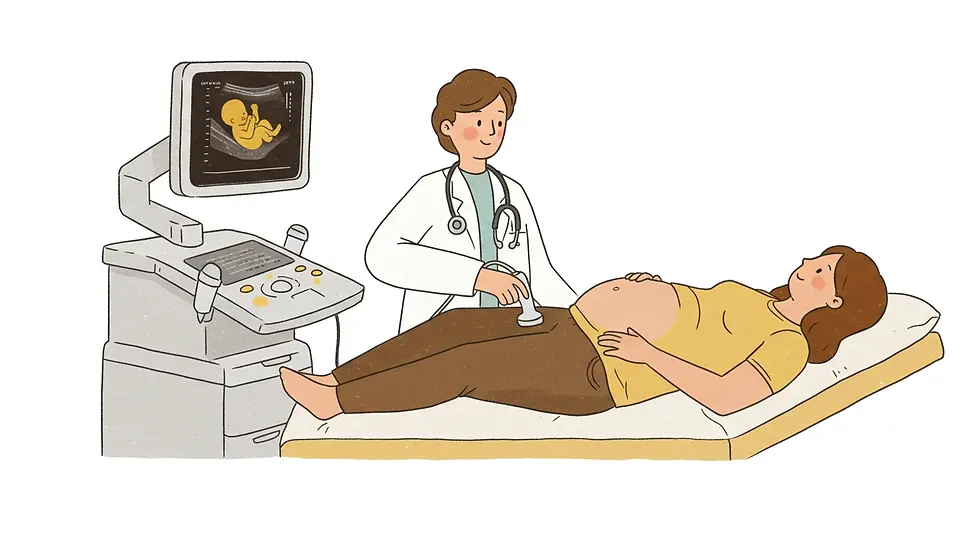
However, for the most accurate results, it’s typically best to wait until around 20 weeks,
when gender differences become more pronounced. While gender predictions can be made as early as week 16, waiting a few more weeks can provide a clearer and more definitive answer
Baby Boy
On an ultrasound, the genitalia of a baby boy may appear as a snail or turtle
shape. This image can be a clue that your baby is a boy.
Baby Girl
For a baby girl, the ultrasound may show three distinct lines (the outer edges of the vulva). These lines are indicative of a baby girl.

Movie Pick
of the week

A comedy-drama starring Kevin Bacon and Elizabeth McGovern, this film follows newlyweds Jake and Kristy as they navigate adulthood and the road to parenthood. Jake’s surprise and emotional shift after learning about Kristy’s pregnancy feel relatable for anyone adjusting to life’s big changes.
The movie’s warm and humorous tone gently portrays the emotional rollercoaster of pregnancy. With its ‘80s vibe and witty dialogue, this nostalgic gem can lift your spirits and make you smile. Watching it during your pregnancy might make you feel more connected to the characters as they prepare for parenthood

Book Pick
of the week

This insightful book provides practical communication tools for parents. It includes real-life examples, exercises, and tips on how to build a healthy, respectful dialogue with children.
Drinking plenty of water is crucial for both your health and your baby’s development.
Include vitamin- and mineral-rich foods like apples, avocados, seafood, mushrooms, leafy greens, and soybeans.
-
Move carefully to protect your body and maintain balance.
-
Switch to flat shoes: Choose flat, supportive shoes for comfort and safety.
-
Frequent small meals can aid digestion and help prevent stomach discomfort.
Do not take any medication without first consulting your doctor.
Get enough sleep and take breaks as needed—your body needs the energy.
Walking or pregnancy yoga can help you stay active, but always check with your doctor first.
Loose-fitting clothes help you stay comfortable and move freely.
These may cause digestive issues, so try to avoid them.
Tips for You

Must-Have Products
for This Week!
Name Suggestions
of the week
Atlas
From Greek origin, Atlas means “bearer” or “to carry.” In mythology, Atlas carried the world on his shoulders. The name represents strength, resilience, and responsibility—suggesting your child will embrace challenges and thrive.
Arabella
Of Latin origin, Arabella means “beautiful prayer.” It symbolizes elegance, love, and hope. Choosing Arabella reflects a wish for your child to grow with peace, kindness, and a loving spirit.
It helps show support and share the experience.
Assist around the house to ease both physical and emotional stress.
Stay healthy together and spend quality time.
A change of scenery can lift your spirits and bring joy.
It’s a fun activity that helps both of you bond with the baby.
Dreaming and planning together builds excitement.
Helping with comfort and showing care strengthens your connection.

Tips for Partners
Share Your Week with Us!
Every week of pregnancy is a new chapter, a unique experience…
How was your week? How are you feeling? Share your little joys, excitements, or questions with us!
Your experiences can inspire and support other moms-to-be on the same journey.
It is safe in low-risk pregnancies and if performed gently. However, if there is a risk of premature birth due to conditions such as placenta previa, sexual intercourse should be avoided
If you are pregnant for the first time or if the placenta is attached anteriorly to the uterus, you may not notice the baby's movements right away. Many women can notice movements up to the 22nd week of pregnancy.
The risk of miscarriage in the second trimester is about 2-3%. This rate is considerably lower than in the first trimester
Yes, it is generally safe to travel in the second trimester, but check with your doctor if you have pre-existing health conditions
Although it is still early, you can prepare by buying maternity bras and comfortable maternity clothes
FAQ
Explore & Learn


I hope this blog has provided you with helpful information about pregnancy while also making your reading experience enjoyable. Remember, the details shared here are purely for awareness, entertainment, and educational purposes.
If you have any questions or concerns during this journey, don’t hesitate to consult your doctor. Wishing you a healthy and love-filled pregnancy!