Week 18
Hi,
.
It might be time to find out your
baby’s gender!
Let’s explore the exciting moments of the week 18.
.webp)
5.59
inches long
6.7
ounces
This week, your baby is about the size of a pomegranate filled with juicy seeds!
Just like a pomegranate, your baby is growing the vibrant little details of life with each passing day. Strengthening from the inside out, this tiny miracle carries unique beauty and is getting ready to bring colorful energy into your world!
Your Baby's
Development
You're witnessing how your baby’s little body is taking shape. It’s as if a tiny miracle is budding inside you!

Skin
The delicate skin is still wrinkled and is being covered by a soft protective coating called vernix. This magical layer protects your baby’s skin in the watery world of the womb. Fine lanugo hairs are also starting to appear, like a soft little blanket.
.webp)
Ears
The bones in the middle ear and nerve endings are developing, so your baby may slowly start to hear you. Just imagining them listening to your voice is heartwarming, isn’t it?

Eyes
The delicate skin is still wrinkled and is being covered by a soft protective coating called vernix. This magical layer protects your baby’s skin in the watery world of the womb. Fine lanugo hairs are also starting to appear, like a soft little blanket.

Bones
Especially the collarbone and legs are getting stronger and beginning to harden. Soon, those bones will support tiny steps into the world!
.webp)
Fingers
Unique little fingerprints are forming at the tips of each finger—completely individual. One day, those tiny fingers will hold your hand tightly!

Nerves
Nerves are being wrapped in a substance called myelin. This special covering creates a fast communication network for your baby’s nervous system.

Lungs
Bronchial tubes in the lungs are growing, almost like they’re preparing for that very first breath.

Mouth
Your baby is starting to practice swallowing and sucking. Some babies may even express these new skills with sweet little hiccups!

Liver and Pancreas
These organs are starting to produce secretions that contribute to development.

Genitals
Your baby’s gender may no longer be a mystery and could be visible on an ultrasound.
What’s Happening to Your Body
This week, you may notice a variety of changes and new symptoms in your body.
Here’s what to keep an eye on

Breast Growth
Your breasts may become fuller and more sensitive as your body prepares for breastfeeding. Your body is already getting ready to nourish your baby.
.webp)
Growing Belly
Your abdomen begins to protrude more noticeably. You might feel your uterus between your pubic bone and belly button—a sweet sign of your baby’s growth!
.webp)
Linea Nigra
A dark line may appear running from your belly button to your pubic bone. This natural pigmentation change is common during pregnancy

Shinier Hair
Hormonal changes may reduce hair loss and give your hair a fuller, shinier appearance. Your hair may feel more vibrant than usual during this time!

Mood Swings
Pregnancy hormones can make your emotions fluctuate. You may feel happy, excited, or tearful all within the same day—and that’s perfectly normal.
.webp)
Stretch Marks
As your uterus grows, your skin stretches, which may lead to stretch marks on your belly. Moisturizing your skin can help keep it supple.
.webp)
Brittle Nails
Due to hormonal changes during the second trimester, nails may grow faster but may become brittle or soft.
.webp)
Strange Dreams
Fears and expectations about pregnancy may manifest as vivid or strange dreams.
A mother of three, Nicola, shared that wild dreams returned during her second pregnancy:
“It doesn’t happen every night, but on the nights I can’t sleep, it feels like I’ve been lying awake for hours.”
These dreams can be seen as sweet memories and part of the adventure of this journey.
.webp)
Anxiety or Stress
Week 18 is generally a period of lower miscarriage risk, but it’s still normal to feel some concern. Continuing with regular doctor checkups can help you feel more secure throughout the process.
.webp)
Hearing Baby’s Heartbeat
In addition to anxiety, this week you may experience great excitement and happiness by hearing your baby's heartbeat on ultrasound. This can be one of the most special and unforgettable moments of your pregnancy.
Exercises
and Activities
As you move into the second trimester of your pregnancy, it's important to keep your physical activity safe and supportive. Here are some helpful and effective exercise suggestions for week 18

Avoid Risky Activities
Stay away from activities like skiing, contact sports, or martial arts that carry a risk of falling. These types of exercises can challenge your balance and increase the chance of injury.

Safe Exercises
Walking, swimming, and low-impact prenatal workouts are ideal for this stage. If you're planning to lift weights, choose light weights under 25 pounds. These exercises keep you active while giving your baby the energy they need.

Prenatal Yoga and Stretching
Yoga and stretching movements strengthen your body and increase flexibility in preparation for labor. Learning to breathe deeply will help you relax during delivery. Prenatal yoga classes can help you prepare physically, mentally, and emotionally.

Consult Your Healthcare Provider
Not every exercise is suitable for everyone. It's best to talk with your doctor before starting any new routine to ensure your safety
Exercising during this period not only supports your physical health but also lifts your mood. Stay strong and energized while enjoying this beautiful journey with your baby!
This week, you may notice a variety of changes and new symptoms in your body.
Here’s what to keep an eye on
First Kicks
You might begin feeling your baby’s first movements, like flutters or quickening.
At first, these may be mistaken for indigestion.
Breast Growth
Your breasts may start to grow as they prepare for breastfeeding.
Pregnancy Glow
Increased blood flow gives your face a radiant look, and your skin may
appear oilier and more vibrant. This is often called the “pregnancy glow.”
Nail and Hair Health:
Some moms-to-be notice that their nails and hair look healthier and
stronger during this time.
Back Pain
Hormonal changes can increase back pain. Gentle stretches and low-impact
exercises may help, but always consult your doctor first.
Constipation:
Hormones and the growing uterus pressing on the intestines can lead to
constipation. Drink plenty of water and eat fiber-rich foods.
Vaginal Discharge:
You may notice an increase in vaginal discharge, which helps protect
against infections. Choose hygienic but gentle cleansing methods to avoid irritation.
Varicose Veins
Pressure on blood vessels can cause varicose veins. Managing your
weight, avoiding prolonged sitting or standing, and elevating your legs can be beneficial.
Bleeding Gums
Pregnancy hormones can make your gums more sensitive. Maintain good
oral hygiene and visit your dentist regularly.
Leg Cramps:
Exercise and stretching your leg muscles can help prevent cramps.
Heartburn
Hormones can slow digestion, leading to heartburn. Avoid spicy foods and eat
smaller, more frequent meals.
Nosebleeds
Increased blood flow to your nasal passages may cause nosebleeds. Use a
humidifier or a neti pot to keep your nose moist.
Forgetfulness (Pregnancy Brain)
It’s normal to experience mild forgetfulness or difficulty
concentrating.
Dry, Itchy Eyes
Hormonal changes may cause dry eyes. Check with your doctor before
using eye drops.
What’s Happening to Your Body
This Week?
As you step into the 18th week, you may start noticing various changes in your body. Here are some of the most common symptoms during this period:
-
Weight Gain: Gaining one to two pounds (about 0.5–1 kg) per week is normal during the second trimester. However, this may vary for women with a low or high BMI. Those expecting twins or triplets may gain a bit more.
-
Frequent Urination: As your uterus grows and puts pressure on your bladder, the need to urinate more often is natural.
-
Constipation: The hormone progesterone relaxes the muscles in your digestive tract, slowing digestion and reducing bowel movements. Drinking plenty of water and eating high-fiber foods can help relieve discomfort.
-
Dizziness: The growing uterus puts pressure on blood vessels, which can sometimes cause dizziness. Skipping meals or staying hungry for too long can also contribute. Regular meals and hydration are important.
-
Back Pain: The shifting center of gravity due to your growing uterus can cause pain in your lower back.
-
Nasal Congestion: Hormones increase blood flow to the mucous membranes in the nose, which may cause stuffiness or nosebleeds. Using a humidifier can help ease this symptom.
-
Leg Cramps: As the uterus grows, it can press on blood vessels, leading to nighttime leg cramps. Stretching your legs and doing light exercises may offer relief.
Caution!
If you notice swelling, redness, or tenderness in your legs, it could indicate an underlying condition. If cramps interfere with your ability to walk, seek medical attention.
-
Heartburn: Your growing uterus pushes the stomach upward, which can cause stomach acid to flow back into the esophagus and lead to heartburn.
-
Sleep Issues: Back pain, hip pain, and leg cramps may make it hard to get comfortable at night. Placing a pillow around your belly and between your legs may help.
-
Swelling (Edema): Fluid retention can cause swelling in your hands and feet.
-
Varicose Veins: Increased blood volume may enlarge veins in the legs, causing varicose veins.
Symptoms
You Might Experience

If you notice new symptoms or feel concerned about anything
Don’t hesitate to reach out to your doctor.
It is monitored whether your weight gain is within healthy ranges.
This week may include a Second Trimester Ultrasound, often a Level II sonogram, which gives a detailed view of your baby’s organs, overall health, and the amount of amniotic fluid.
The size and growth rate of your uterus will be assessed.
This week, you may have a *Second Trimester Ultrasound Scan*. This scan can be more detailed, especially with a *Level II sonogram*, which evaluates the development of the baby's organs. This provides information about your baby's general health and the amount of amniotic fluid.
This test is done between 15 and 20 weeks of pregnancy to determine the risk of neural tube defects in the fetus, such as **Down syndrome**, **Edward syndrome** and **spina bifida**. This test is part of a triple or quadruple screening test and helps to assess the risk of abnormalities in the second trimester of pregnancy
This blood test measures the amount of alpha-fetoprotein in the mother's blood. This is done to assess the risk of neural tube defects and chromosomal abnormalities in the fetus.
Your OB-GYN Visit This Week
What Should You Eat?
Maintaining a healthy, balanced diet is essential for both you and your baby. Here are some simple tips


In addition to proper nutrition, you can increase physical activity with appropriate exercise or yoga for pregnancy.
However, consult your doctor before starting any exercise and do it under expert supervision.
Pregnancy is the responsibility of both partners, so it is important that your partner supports you.
It’s important to be aware of miscarriage symptoms during this stage. Some signs include:
-
Severe Cramping with Pain: Intense pain in the lower abdomen or back.
-
Vaginal Bleeding: The severity can vary from person to person, but any bleeding at this stage should be evaluated.
-
Missed Miscarriage: Sometimes a miscarriage occurs without noticeable symptoms and is only discovered during an ultrasound.
-
If you suspect you're at risk of miscarriage or experience unusual discomfort, contact your doctor immediately. Early intervention is key to continuing a safe and healthy pregnancy.
Signs of Miscarriage
at 18 Weeks
When Should
You call
Doctor?
If you experience any of the following symptoms, call your obstetrician immediately
-
Fever: Your body temperature is 100.4°F (38°C) or higher.
-
Pelvic Pain: Especially if you have pelvic pain other than cramps.
-
Less Urination or Dark Colored Urine: May indicate dehydration or urinary tract problems.
-
Severe Vomiting: Especially if you have difficulty retaining fluids.
-
Fainting or Loss of Consciousness: If you feel like you are going to faint all the time.
If there are no signs of miscarriage, you just need to see your obstetrician for regular check-ups.
Is There a
Risk of
Miscarriage?
Although miscarriage at 18 weeks is rare, certain conditions can increase the risk. Here are some factors that may contribute
-
Chromosomal Abnormalities: Between 1% and 5% of pregnancy losses occur during weeks 13–19. Disorders like Trisomy 13, 18, 21, and Turner syndrome can raise the second-trimester miscarriage risk up to 24%.
-
Structural Abnormalities: Conditions like amniotic band syndrome, neural tube defects, or uncontrolled diabetes at conception may lead to pregnancy loss.
-
Cervical Insufficiency: This condition causes painless cervical dilation, which can lead to second-trimester miscarriage.
-
Infections: Infections like bacterial vaginosis may increase miscarriage risk. If a miscarriage occurs, a dilation and curettage (D&C) procedure might be necessary.
-
Other Causes: Immune issues, hormonal imbalances, extreme stress, sexually transmitted infections, and unhealthy lifestyle factors may also contribute.
While miscarriage during week 18 is uncommon, regular checkups and communication with your healthcare provider are crucial for a healthy pregnancy
especially if any of these risk factors apply to you.
For Underweight Moms-to-Be
or Those Struggling to Gain Weight


Your doctor will review your overall health and discuss any symptoms you may be experiencing.
This is also a great opportunity to ask any questions you might have.
During this visit, your blood pressure, weight, and height will be measured. You may also undergo thyroid, breast, lung, heart, abdominal, and vaginal examinations.
Urine and blood tests will be conducted to monitor for gestational diabetes and
preeclampsia. These tests also check for signs of urinary tract infections.Your doctor will use a handheld device called a Doppler to let you hear your baby’s
heartbeat for the first time. This becomes a routine part of future visits.Several screenings may be conducted to check for birth defects or genetic disorders:
○ Multiple Marker Screening: A blood test to detect conditions like Down
syndrome and spina bifida.
○ Amniocentesis: A diagnostic test that checks for Down syndrome and other
chromosomal abnormalities. Since it carries a slight risk of miscarriage, it is
recommended only in high-risk cases.
○ Alpha-fetoprotein (AFP) Test: A blood test that evaluates genetic disorders
and neural tube defects.
What to Expect at Your Second OB-GYN Visit?
Fetal Movements
Tiny movements are beginning in your baby’s world! Between weeks 18 and 20, you may start to feel these flutters, your very first physical connection with your baby. Sometimes they feel like little fish swimming inside, or butterflies fluttering in your stomach.
Helpful Tip!
Don’t be surprised if you start feeling your baby’s hiccups! These rhythmic twitches are a sweet sign that your little one is exploring their body. Sometimes it feels like a pulse, other times like little jumps.
it’s like your baby is sending you a tiny “hello” from within.
This period allows you to witness the miraculous journey your baby is on and feel every little movement with excitement. As your little one prepares for the world inside you, you’re also collecting the first precious memories that touch your heart.
Gender Screening on Ultrasound
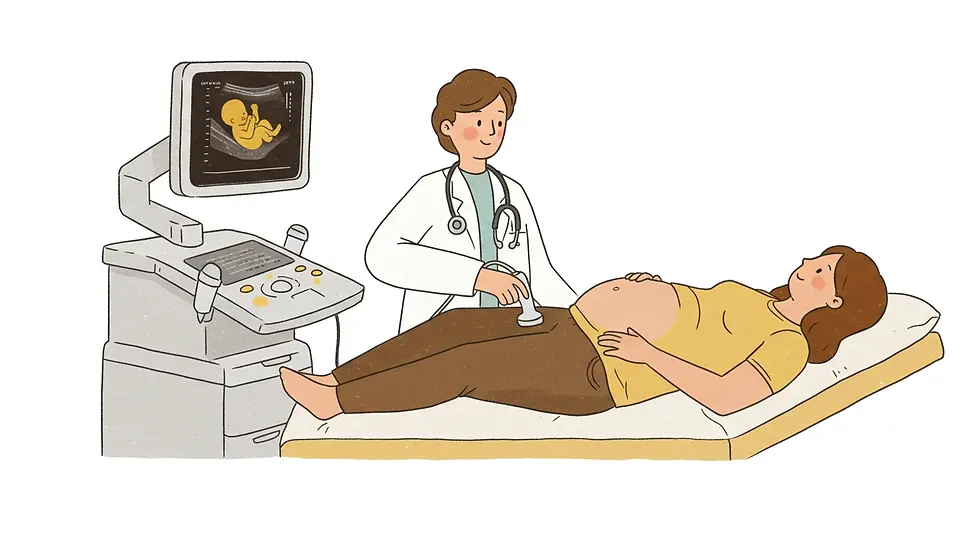
However, for the most accurate results, it’s typically best to wait until around 20 weeks,
when gender differences become more pronounced. While gender predictions can be made as early as week 16, waiting a few more weeks can provide a clearer and more definitive answer
Baby Boy
On an ultrasound, the genitalia of a baby boy may appear as a snail or turtle
shape. This image can be a clue that your baby is a boy.
Baby Girl
For a baby girl, the ultrasound may show three distinct lines (the outer edges of the vulva). These lines are indicative of a baby girl.

Movie Pick
of the week

For Keeps?
If you’re looking for a classic 80s teen pregnancy movie, For Keeps, starring Molly Ringwald, is a great pick! Ringwald’s character becomes pregnant during her senior year of high school by her long-time boyfriend, and the couple decides to face this challenge together—without help from their families.
Watching it while pregnant allows you to share in the young couple’s moments of uncertainty, hardship, and hope. Their strength and the eventual happy ending can offer both comfort and inspiration. If you’re craving nostalgia wrapped in a positive story, this one’s worth a watch!

Book Pick
of the week

Nurture
by Erica Chidi Cohen
A supportive guide to caring for your physical, emotional, and spiritual well-being during pregnancy, birth, and postpartum. This book empowers you to understand your journey and feel confident through it all.
Support the foundation of a healthy lifestyle with balanced home-cooked meals.
Choose healthy snacks instead of the junk food you crave.
- Drink plenty of water: Water keeps you and your baby hydrated.Try eating small meals at frequent intervals to reduce nausea.
- Include foods with high nutritional value: Whole grains, fresh fruit, vegetables, dairy products and protein sources will meet your body's needs.Light activities such as walking can boost your energy and make labor easier.
Support the healthy development of the fetus by avoiding harmful substances such as smoking, alcohol and drugs.
- Take care of your oral care: Do not neglect regular dental care due to increased gum sensitivity during pregnancy.Relaxing activities help strengthen your mental health.
Make your day easier with maternity clothes that support your body and breathe easily.
Protect your baby's health by taking prenatal vitamins.
- Pay attention to correct sitting and postures: Avoid sitting cross-legged to prevent back pain.Choose healthy foods to reduce heartburn.
Choose foods high in fiber to prevent constipation.
If you are sitting for long periods of time, stand up frequently to improve circulation.
These classes can help you be better prepared for labor.
- Don't neglect your dental health: Regular oral examinations are important to maintain oral health during pregnancy.These books can help you learn about the process and help you relax.
Tips for You

Must-Have Products
for This Week!
Name Suggestions
of the week
Grayson
Of English origin, Grayson means “son of the gray-haired one.” It reflects a graceful, wise personality. Grayson suggests your child will grow up to be balanced, calm, responsible, loyal, and trustworthy.
Athena
Of Greek origin, Athena means “goddess of wisdom and war.” It symbolizes a child who will grow to be intelligent, strategic, and determined. Athena also represents bravery and independence—someone who inspires those around her.
Make your pregnancy more comfortable by sharing household chores together.
A calm, peaceful and relaxing environment will provide a very special experience for you.
Having her with you during these visits will support you both emotionally and physically.
Going shopping and making these preparations together allows you to enjoy the prenatal process together.
Especially neck and foot massages can help you unwind from the day.

Tips for Partner
These small gestures make you feel your partner's support and make your pregnancy more enjoyable.
Share Your Week with Us!
Every week of pregnancy is a new chapter, a unique experience…
How was your week? How are you feeling? Share your little joys, excitements, or questions with us!
Your experiences can inspire and support other moms-to-be on the same journey.
Yes, some mothers may start to feel slight wiggles at 18 weeks, but this is not always expected. There are many factors that affect fetal movements, such as the mother's body mass index, the position of the placenta and the first pregnancy. If this is your first pregnancy, it is quite normal not to feel your baby until week 20.
Yes, it is normal to have abdominal pains during these weeks. As your uterus grows and makes room for the fetus, the ligaments stretch, which can cause mild aches and pains. Also, constipation and gas accumulation can cause pain as the digestive system slows down.
It is too early! Your baby doesn't feel these small touches yet, but when you reach week 26, he or she may notice the warmth and movement of your hands on your belly. Until then, enjoy waiting for your baby to grow.
FAQ
Explore & Learn


I hope this blog has provided you with helpful information about pregnancy while also making your reading experience enjoyable. Remember, the details shared here are purely for awareness, entertainment, and educational purposes.
If you have any questions or concerns during this journey, don’t hesitate to consult your doctor. Wishing you a healthy and love-filled pregnancy!