Week 20
Hi,
.
Congratulations on reaching the halfway point in your pregnancy! Let's take a look at the surprises of the twentieth week

10.08
inches long
10.58
ounces
This week your baby is the size of a tropical mango!
Just like the sweet and plump texture of a mango, your baby is growing rapidly and developing its own unique beauty.
Your Baby's
Development
Her movements are stronger now, her tiny hands and feet are already dancing in your belly! This sweet mango is coming to life inside you, bringing you more and more excitement every day.
%20kopyas%C4%B1.webp)
Fingers
Tiny fingerprints start to form. Your precious miracle's fingerprints are now unique to her!
.webp)
Ears
Your baby can now hear low sounds. Keep singing sweet words to her, your voice is the most beautiful melody for her.

Skin
The sebaceous glands (*sebaceous glands*) start working and the skin is covered with a creamy layer called *vernix caseosa*. This layer protects your baby's skin.

Head
The tiny head is covered with feathers. These feathers will help to keep it warm.
.webp)
Brain
Nerve development continues rapidly. His brain is beginning to control senses such as touch, taste and hearing.
Heart
Your baby's heart is beating at 120-160 beats per minute. You may hear these strong beats at your next checkup.

Muscles
As his muscles continue to grow, his movements are becoming stronger and more pronounced.
.webp)
Teeth
Permanent teeth begin to form under the gums. The foundations of those tiny smiles are being laid.
.webp)
Kidneys
The tiny kidneys are now working and your baby has started to urinate. Sterile urine accumulates in the amniotic fluid, don't worry, this is completely normal.

Gender
If you are expecting a little princess, her uterus has already formed and six million eggs are waiting for her in her ovaries.
Fetal Movements
Your baby still has plenty of room to move freely in the womb, so you may feel little flutters, tiny kicks, and gentle movements. This is called “quickening”, and it's one of the most magical moments of pregnancy for many mothers.
-
Discovering thumb-sucking: During an ultrasound, you might see your baby sucking their thumb—practice for feeding after birth.
-
Developing a sleep pattern: Your baby is starting to establish a regular sleep and wake cycle.
Symptoms
you may experience
Weight Gain
Your weight gain can vary depending on your body mass index (BMI):
-
BMI below 18.5: 9–15 pounds
-
BMI 18.5–24.9: 8–14 pounds
-
BMI 25–29.9: 5–11 pounds
-
BMI 30 and above: 3–8 pounds
Sleep Issues
-
Leg cramps,
-
Frequent urination,
-
Body aches can interrupt your sleep at night.
Hot Flashes
You may often feel flushed due to increased blood circulation.
Restless Leg Syndrome (RLS)
A tingling sensation and the urge to move your legs may occur, often linked to low hemoglobin levels.
Headaches and Mood Swings
Hormonal changes can cause headaches and emotional ups and downs.
Eating Habits
Due to hormonal fluctuations, you may experience intense cravings for certain foods—or aversions to others.
Vaginal Discharge
White discharge helps protect your vagina from infections. However, if you notice a strong odor or feel discomfort, be sure to consult your doctor.
Leg Cramps
-
These may be due to a lack of magnesium or calcium.
-
Nighttime cramps are especially common.
Digestive Issues
-
Heartburn: Your growing uterus pushes the stomach upward, causing acid to back up into the esophagus.
-
Constipation: Progesterone slows digestion, keeping food in your system longer.
Swelling and Water Retention
-
Water retention in the body may lead to mild swelling in your hands and feet.
-
Sudden or excessive swelling may be a sign of preeclampsia— in that case, contact your doctor.
Nasal Congestion
Hormones can loosen the nasal membranes, leading to stuffiness and shortness of breath.
Varicose Veins and Hemorrhoids
-
Increased blood flow to the lower body can cause varicose veins in the legs,
-
Pressure in the pelvic area can lead to hemorrhoids.
Dizziness
Increased blood flow may sometimes prevent enough blood from reaching your brain, causing dizziness.
Braxton Hicks Contractions
These irregular, painless contractions help your body prepare for labor
As your baby grows rapidly, your body is also adapting to these miraculous changes. Here are some common symptoms you might experience during week 20

If you notice new symptoms or feel concerned about anything
Don’t hesitate to reach out to your doctor.
Whats Happening
to Your Body?
.webp)
Growing Uterus
Your belly continues to expand, and your belly button may start to protrude. This is a natural result of your uterus stretching
.webp)
Changes in Your Breasts
-
Your breasts continue to grow, nipples may darken, and veins can appear more visible due to increased blood flow.
.webp)
Linea nigra
The dark vertical line running from your navel down to your pubic bone—called the linea nigra—may become more prominent during this time
.webp)
Hair and Nail Growth
Thanks to hormonal changes, your hair may look fuller, shinier, and grow faster. You might also notice faster nail growth
.webp)
Stretch marks
As your skin stretches, tiny tears can occur, leading to stretch marks. These are most commonly seen on your belly, hips, and breasts
.webp)
Strange dreams
Pregnancy fears, excitement and anticipation can cause you to have interesting, even strange dreams from time to time. Don't worry, this is completely normal.

Mood Swings
Hormonal changes may cause emotional ups and downs, including anxiety or thoughts about birth and parenthood.
At 20 weeks of pregnancy, noticeable physical changes and hormonal effects continue to progress rapidly. Here are some of the changes you may experience this week
Important note!
If any symptoms become severe or if you notice anything unusual that causes concern, contact your doctor right away.
Your body is going through an incredible process to complete this miraculous journey. Embrace these changes with love, listen to yourself, and don’t hesitate to seek support when you need it.
Quick Tip!
Start talking to your doctor about your birth plan including pain relief, delivery positions, and postpartum care.
Every check-up brings you one step closer to meeting your baby. Don’t hesitate to ask questions!
Quick Tip!
Eat iron-rich foods to prevent anemia, which helps reduce the risk of low birth weight and preterm labor.
In these weeks, remember to listen to your body, calm your mind, and take time to strengthen your bond with your baby.
Quick Tip!
As you prepare to welcome your baby
-
Start assembling the crib and baby furniture.
-
Paint the nursery and create a sweet, cozy space.
With these thoughtful touches, you’ll not only support your partner physically and emotionally, but also enjoy the shared joy of this magical journey. A pregnancy full of love and beautiful memories awaits you both
When Should
You Call
Doctor?
Dizziness
Severe dizziness or feeling like fainting should not be neglected.
Severe vomiting
Tell your doctor if you have persistent and severe vomiting that affects your daily life.
Pelvic pain other than cramps
Pay attention if you feel an unusual, sharp or severe pain.
Less urination or dark urine
This may be a sign that your body is not getting enough fluids or another problem.
Fever
If you have a fever of 100.4 degrees (38°C) or higher, you should consult your doctor.
Listening to your body is more important than ever during this week of pregnancy. If you notice any of the following symptoms, you should consult your doctor immediately:
Some women may experience pelvic girdle pain during this period. This is characterized by stiffness and discomfort in the pelvic joints.
To ensure your weight gain is within a healthy range.
Helps detect conditions like preeclampsia early.
Screens for protein, sugar, or signs of infection.
-
This week includes the anomaly scan.
-
Assesses your baby’s growth and organ development in detail.
-
Helps identify conditions like spina bifida.
-
You may clearly see your baby’s movements, heartbeat, and even facial features.
-
Your obstetrician or midwife may recommend prenatal vitamins and supplements that you should take in addition to your diet for a healthy pregnancy. Supplements such as folic acid, iron and calcium are important during this period.
Your OB-GYN Visit This Week
Is There
a Risk Of
Miscarriage?
Structural
abnormalities
Uncontrolled
maternal diabetes
or exposure to
teratogens
Infections
Sexually
transmitted
diseases
Hormonal
abnormalities
Unbalanced
lifestyle
The risk of miscarriage at 19 weeks gestation is very rare, but the possibility of pregnancy loss in the second trimester is not completely eliminated
-Approximately 1-5% of pregnancy losses occur between 13 and 19 weeks of pregnancy.
- Of these losses, 24% are due to chromosomal abnormalities in the fetus.
If you notice any of the following symptoms, you should contact your doctor immediately
-
Severe abdominal cramps
Intense pain in the lower abdomen or back. -
Bleeding
Bleeding can be light spotting or more intense
Signs of Miscarriage
at 18 Weeks
To reduce the risk of miscarriage
-
Adopting a healthy lifestyle
-
Detecting possible complications with early pregnancy tests
-
Regularly attending the treatments and prenatal check-ups recommended by your doctor
-
Always consult your doctor before using herbal supplements
Sharing every change you experience this week, big or small, with your doctor will ease your worries. Remember, with healthy living habits and guidance from your doctor, you can be one step closer to safely embracing your little miracle.
How to
Prevent Miscarriage?

Unsafe
Plants
in Pregnancy
Saw palm
Dong Quai
Goldenseal
Ephedra
Passion flower
Pay D'Arco
Yohimbe
Black gentian
Roman chamomile
Blue gentian
Dandelion
Chamomile
Stinging nettle
Aloe
Mint leaf
Ginseng
Fireweed
Cassia
Kava Kava
Evening flower
These plants can cause uterine contractions that can lead to miscarriage, premature birth or damage fetal development

Safe
Plants
in Pregnancy
Red raspberry leaf
Peppermint leaf
Ginger root
Oats and oat straw
Slippery elm bark
Each herb works differently , your doctor will know what’s best for you. When using herbs, eat well and drink plenty of water. Always choose what’s safest for you and your baby.
With your doctor’s approval, you may consume the following herbs in moderation
Keeping your body hydrated supports digestion and helps reduce bloating.
-
Use pillows to support your back and legs.
-
Elevate your head slightly to relieve nasal congestion.
-
-
Avoid greasy and fried foods to prevent heartburn.
-
Fiber-rich foods (whole grain bread, vegetables, nuts) help prevent constipation.
-
-
Maintain proper posture.
-
Use cushions or pillows to support your lower back when sitting or lying down.
-
-
Choose homemade, nutritious meals.
-
Include dairy, eggs, whole grains, and nuts in your diet.
-
Gentle activities like walking can boost your energy and improve your mood.
Attend all prenatal checkups and tests. Monitoring your health is crucial!
Smoking, alcohol, and drug use can negatively affect your baby’s development.
Regular dental checkups help prevent pregnancy-related dental issues.
Supplements like calcium, folic acid, and iron are essential for a healthy pregnancy.
-
Spend time with friends and family.
-
Reduce stress with enjoyable activities.
-
Discuss your birth plans with your partner to share the experience together.
-
Read books or explore local classes on childbirth education and postpartum care.
Tips for You

To feel more comfortable and healthy this week, you can try the following suggestions
Must-Have Products
for This Week!
Join her for check-ups. Hearing your baby’s heartbeat or seeing the ultrasound can be an unforgettable moment for you too.
Set up a calm, loving atmosphere with soft music, candles, or surprise her with her favorite flowers.
Pick out baby essentials as a team. Turning dreams into reality together makes it all the more special.
Sharing responsibilities gives her more time to rest. Even the smallest gesture can mean a lot.
If you haven’t yet, gather loved ones and throw a surprise baby shower to give her a fun and memorable day.
A gentle massage—neck, back, or feet—is a beautiful way to ease daily fatigue and offer physical and emotional comfort.
Pregnancy is a Special Journey Not Just for Moms, but for Dads Too
Here are a few sweet ways you can help your partner feel more comfortable, peaceful, and joyful during this time

Tips for Partner

Movie Pick
of the week

The Switch
offers a heartwarming romantic comedy that’s perfect for expectant moms who enjoy laughter with a touch of sentiment. Kassie (Jennifer Aniston) decides to become a mother via sperm donation. But her best friend Wally (Jason Bateman) isn’t too thrilled—and in a twist of fate, he ends up making a very personal switch. Years later, Wally meets Kassie’s son Sebastian, and their sweet, funny bond will warm your heart.
As an expecting mother, this film gives you a lighthearted, yet touching look at the path to parenthood. It’s romantic, funny, and filled with emotional moments that will make you smile. Grab your favorite snacks, put your feet up, and enjoy a cozy movie night!

Book Pick
of the week

Cribsheet
Emily Oster presents science-backed parenting advice in a simple and empowering way. Covering everything from sleep routines and breastfeeding to nutrition and potty training, Cribsheet helps parents make confident, personalized choices without the pressure of “right” or “wrong.”
As a mom-to-be, this book is a great companion to ease decision-making and reduce stress. With clear data and practical insights, it supports you in discovering your own parenting style and helps you feel prepared and self-assured as you approach motherhood. A must-read for any parent who wants to feel informed and empowered.
Name Suggestions
of the week
Jackson
Jackson is of English origin and means “son of Jack.” It reflects strong family ties and a natural sense of leadership. This name suggests a reliable, courageous, and responsible spirit
someone who leads with heart and protects those they love.
Ayla
Ayla is of Turkish origin, meaning “moonlight.” It symbolizes peace, serenity, and quiet strength. This name suggests a calm, intuitive, and emotionally rich personality—someone who brings light into the lives of others, much like the gentle glow of the moon.
Share Your Week with Us!
Every week of pregnancy is a new chapter, a unique experience…
How was your week? How are you feeling? Share your little joys, excitements, or questions with us!
Your experiences can inspire and support other moms-to-be on the same journey.
Every baby has a unique pattern of movement, so there's no set number of kicks.
-
You may begin to notice your baby’s more active times, such as after meals or while resting.
-
Over time, you’ll become familiar with your baby’s individual rhythm.
-
If you notice a significant decrease in movement, don’t hesitate to contact your doctor.
-
By week 12, your baby is fully formed:
-
All major organs, muscles, limbs, and bones are developed.
-
The kidneys and heart are functioning, and the respiratory and digestive systems continue to mature.
-
From this point on, your baby focuses on growing and developing.
-
Some exercises considered safe during pregnancy include:
-
Walking: Low-impact walks help keep you active and boost your energy.
-
Squats: Strengthen pelvic muscles in preparation for birth.
-
Pelvic tilts: Help relieve back pain.
Note: Always consult your doctor before starting a new exercise routine to ensure it's right for you.
-
At this stage, your baby is usually positioned between your pubic bone and belly button.
-
The position can vary—your baby may be head up (breech) or head down.
-
Since your baby can still move freely in the uterus, their position may shift often.
-
FAQ
Explore & Learn


I hope this blog has provided you with helpful information about pregnancy while also making your reading experience enjoyable. Remember, the details shared here are purely for awareness, entertainment, and educational purposes.
If you have any questions or concerns during this journey, don’t hesitate to consult your doctor. Wishing you a healthy and love-filled pregnancy!
SEE YOU NEXT WEEK WITH NEW AND EXCITING INSIGHTS!
For Underweight Moms-to-Be
or Those Struggling to Gain Weight


Gender Screening on Ultrasound
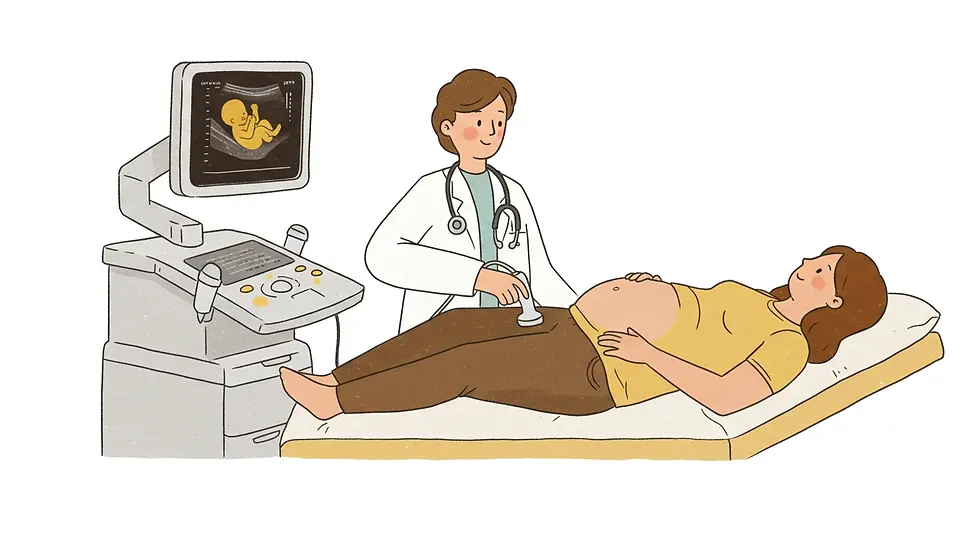
However, for the most accurate results, it’s typically best to wait until around 20 weeks,
when gender differences become more pronounced. While gender predictions can be made as early as week 16, waiting a few more weeks can provide a clearer and more definitive answer
Baby Boy
On an ultrasound, the genitalia of a baby boy may appear as a snail or turtle
shape. This image can be a clue that your baby is a boy.
Baby Girl
For a baby girl, the ultrasound may show three distinct lines (the outer edges of the vulva). These lines are indicative of a baby girl.