Week 21
Hi,
.
What can you expect during this week when your baby’s movements become more noticeable?
Let’s take a closer look at the details of week twenty-one

10.51
inches long
12.7 ons
ounces
This week, your baby is about the size of a long, slender carrot!
Just like a carrot grows patiently beneath the soil, your baby is growing rapidly, nurtured by your love and patience.
Your Baby's
Development
As your baby continues to grow and develop rapidly, this week brings significant changes in their body and abilities
.webp)
Eyes
Eyebrows and eyelashes begin to form. Your baby’s delicate facial features are gradually taking shape.
.webp)
Ears
Your baby can now respond to sounds! They may hear your voice, your heartbeat, and faint sounds from the outside world.

Skin
A white, waxy coating called vernix covers and protects your baby’s delicate skin.
.webp)
Digestive System
The digestive system starts functioning, and your baby practices by swallowing amniotic fluid.

Placenta
The placenta, which delivers oxygen and nutrients to your baby, continues to grow.

Fine Hair
A soft layer of thin hair (lanugo) covers the body, helping to regulate your baby’s temperature.

Mouth
Taste buds are developing. By swallowing amniotic fluid, your baby begins to refine their sense of taste.
.webp)
Circadian Rhythms
Heart rate, breathing patterns, and movements begin to follow a rhythmic cycle, laying the foundation for a sleep-wake pattern.
.webp)
Liver and Spleen
These organs are now producing blood cells to support the development of your baby’s circulatory system.
.webp)
Bone Marrow
Begins contributing to blood cell production, supporting your baby’s healthy development.

Limbs
Tiny kicks are getting stronger, and your baby is constantly on the move inside the womb! These movements help build muscle strength.

Sex
Your baby’s gender can now be clearly identified during an ultrasound scan.
Your Baby This Week
Your baby is now more active and has a more regular sleep-wake rhythm. They are beginning to sense flavors, respond to sounds, and make their presence known with stronger, more noticeable kicks.
With each passing day, your baby is growing on this miraculous journey that fills your heart with even more excitement and wonder!
Symptoms
you may experience
Back Pain
Your baby’s increasing weight may put pressure on your lower back, causing discomfort or pain.
Heartburn
Indigestion
As your uterus grows, it can press against your stomach, causing acid to back up into your esophagus.
Increased Appetite
You may experience stronger hunger pangs. Eat frequent, small, and nutritious meals. Keep healthy snacks and fruits nearby
Fast-Growing Nails
Hormonal changes and increased blood circulation can make your nails and hair grow faster than usual.
Weight Gain
Recommended weight gain by BMI:
-
Underweight (BMI <18.5): ~28.6 lbs
-
Normal (BMI 18.5–24.9): 24–35 lbs
-
Overweight (BMI 25–29.9): 15–24 lbs
-
Obese (BMI ≥30): 11–20 lbs
4o
Braxton Hicks Contractions
These are mild, irregular, and painless contractions that are your body’s way of preparing for labor.
Physiological Edema (Swelling)
Water retention in your body may lead to swelling in the hands and feet.
Tip:
-
Elevate your legs when resting.
-
Avoid standing for long periods.
Frequent Urination
As the uterus presses on the bladder, you may find yourself needing to urinate more often.
Varicose Veins
ncreased blood flow can cause the veins in your legs to become enlarged and more visible.
Tip:
Keep your legs elevated.
Eat a high-fiber diet to avoid constipation.
Urinary Tract Infection (UTI)
The growing uterus can put pressure on the bladder and obstruct urine flow, which increases the risk of infection.
Bleeding Gums
Hormonal shifts can make your gums more sensitive and prone to bleeding.
Dizziness
Increased blood flow may sometimes prevent enough blood from reaching your brain, causing dizziness.
As your baby grows, you may begin to notice some physical changes and new sensations in your body. Here are the most common symptoms

If you notice new symptoms or feel concerned about anything
Don’t hesitate to reach out to your doctor.
Whats Happening
to Your Body?
.webp)
Growing Belly
Your baby has reached a significant stage of development, and your expanding uterus is making your belly more noticeable. Every glance in the mirror is a sweet reminder of the little miracle growing inside
.webp)
Enlarged Breasts
Your body is preparing for milk production. Your breasts may feel fuller and more sensitive — a sign that your body is getting ready to nourish your baby.
.webp)
More Visible Veins
You may notice bluish veins appearing around your breasts due to increased blood flow. Don’t worry — this is completely normal and reflects your body’s natural response to meet your baby’s needs.
.webp)
Colostrum Leakage
A yellow, nutrient-rich fluid called colostrum may begin to leak from your nipples. This is the first milk your baby will receive after birth and is packed with immune-boosting properties.

Oily Skin and Acne
Hormonal changes may cause your skin to produce more sebum, leading to an oily texture or breakouts.
.webp)
Stretch Marks and Itching
As your belly grows, your skin stretches, which may lead to stretch marks—especially around your abdomen, hips, and breasts. You might also experience some dryness or itching.
This week, as your baby continues to grow rapidly, you may notice some visible changes in your own body. The transformations during this stage of pregnancy can be both physical and hormonal
Important note!
Some of these symptoms may be uncomfortable, but they’re part of your body’s incredible transformation. If anything feels unusual or causes concern, don’t hesitate to bring it up at your prenatal check-ups.
Staying connected with your healthcare provider will help you feel supported and reassured throughout this journey.
Reminder
It’s completely natural for some friendships to change during pregnancy. Not everyone will understand how you’re feeling and that’s okay.
Don’t worry about it; just remember that this is one of the most precious times for you and your baby
Quick Tip!
With these thoughtful gestures, you can make this special journey even more enjoyable for your partner. Remember, your support is one of her greatest sources of strength during this amazing time.
When Should
You Call
Doctor?
Dizziness
Severe dizziness or feeling like fainting should not be neglected.
Severe vomiting
Tell your doctor if you have persistent and severe vomiting that affects your daily life.
Pelvic pain other than cramps
Pay attention if you feel an unusual, sharp or severe pain.
Less urination or dark urine
This may be a sign that your body is not getting enough fluids or another problem.
Fever
If you have a fever of 100.4 degrees (38°C) or higher, you should consult your doctor.
Listening to your body is more important than ever during this week of pregnancy. If you notice any of the following symptoms, you should consult your doctor immediately:
Some women may experience pelvic girdle pain during this period. This is characterized by stiffness and discomfort in the pelvic joints.
Your blood pressure will be checked to ensure it falls within the normal range. Monitoring blood pressure is crucial for the early detection of conditions like preeclampsia.
Your weight gain will be assessed to make sure that both you and your baby are progressing with healthy nutrition and development.
The fundal height — the size of your uterus — will be measured to track your baby's growth and ensure it’s appropriate for your week of pregnancy.
Your baby’s heartbeat will be listened to and checked for a healthy rhythm. Hearing that tiny heart beating is always a magical reminder of the little life growing inside you!
A urine test may be performed to check for protein and sugar levels, helping to detect conditions like gestational diabetes or urinary tract infections (UTIs).
Your OB-GYN Visit This Week
This week, your routine check-up with your OB-GYN is an important step in closely monitoring both your health and your baby’s development. Here’s what your doctor will typically focus on
Is There
a Risk Of
Miscarriage?
Structural
abnormalities
Uncontrolled
maternal diabetes
or exposure to
teratogens
Infections
Sexually
transmitted
diseases
Hormonal
abnormalities
Unbalanced
lifestyle
The risk of miscarriage at 19 weeks gestation is very rare, but the possibility of pregnancy loss in the second trimester is not completely eliminated
-Approximately 1-5% of pregnancy losses occur between 13 and 19 weeks of pregnancy.
- Of these losses, 24% are due to chromosomal abnormalities in the fetus.
If you notice any of the following symptoms, you should contact your doctor immediately
-
Severe abdominal cramps
Intense pain in the lower abdomen or back. -
Bleeding
Bleeding can be light spotting or more intense
Signs of Miscarriage
at 18 Weeks
To reduce the risk of miscarriage
-
Adopting a healthy lifestyle
-
Detecting possible complications with early pregnancy tests
-
Regularly attending the treatments and prenatal check-ups recommended by your doctor
-
Always consult your doctor before using herbal supplements
Sharing every change you experience this week, big or small, with your doctor will ease your worries. Remember, with healthy living habits and guidance from your doctor, you can be one step closer to safely embracing your little miracle.
How to
Prevent Miscarriage?

Unsafe
Plants
in Pregnancy
Saw palm
Dong Quai
Goldenseal
Ephedra
Passion flower
Pay D'Arco
Yohimbe
Black gentian
Roman chamomile
Blue gentian
Dandelion
Chamomile
Stinging nettle
Aloe
Mint leaf
Ginseng
Fireweed
Cassia
Kava Kava
Evening flower
These plants can cause uterine contractions that can lead to miscarriage, premature birth or damage fetal development

Safe
Plants
in Pregnancy
Red raspberry leaf
Peppermint leaf
Ginger root
Oats and oat straw
Slippery elm bark
Each herb works differently , your doctor will know what’s best for you. When using herbs, eat well and drink plenty of water. Always choose what’s safest for you and your baby.
With your doctor’s approval, you may consume the following herbs in moderation
Make sure to drink water regularly to meet your body's hydration needs.
-
Opt for small, balanced meals throughout the day.
-
Choose homemade, nutritious foods.
-
Include fruits, vegetables, dairy, beans, and lean meats in your diet.
-
Add some variety by trying recipes like celery soup, watercress soup, or sweet apple stew.
-
Light activities like walking are ideal for maintaining your energy levels.
Brush your teeth regularly and use dental floss to establish a healthy oral care routine.
Stay away from smoking, alcohol, and drugs to support your baby’s healthy development.
Manage Stress
Choose loose-fitting, breathable maternity clothes to accommodate your growing belly.
Your body is working hard! Rest and maintaining a healthy sleep schedule are vital for you and your baby.
Read books on pregnancy, breastfeeding, and postpartum care to feel more prepared.
Continue taking prenatal vitamins such as folic acid, iron, and calcium as advised. Always consult your doctor before taking any new medications.
Avoid crossing your legs while sitting, as it can worsen back pain.
-
Eat fiber-rich foods.
-
Limit your intake of greasy or fried foods.
-
Wear supportive shoes, especially if you’ll be on your feet for long periods.
If you’re working, avoid sitting for too long. Get up and walk around occasionally to reduce fatigue.
Join prenatal classes to prepare yourself for labor, delivery, and the postpartum period.
Make this journey more joyful by spending time with your friends and family. If you haven't already, you could even start planning a baby shower!
Tips for You

Here are some helpful suggestions to help you feel comfortable, healthy, and peaceful this week
Must-Have Products
for This Week!
Take on more of the housework to ease your partner’s load. Giving her more time to rest is one of the most valuable gifts you can offer.
A peaceful, calm, and joyful home environment can help reduce your partner’s stress. Playing her favorite music or surprising her with a flower can make a big difference
Join her at prenatal check-ups. This strengthens your bond and helps you both stay informed about your baby's health and progress.
Go baby shopping together or plan small surprises to make her feel special. Even a simple romantic date can lift her spirits during this time.
Offer gentle neck or foot massages to help ease her fatigue and promote relaxation. A little care can create a lot of happiness.
As the due date approaches, map out the quickest and easiest route to the hospital. Having a backup plan will ensure you're prepared when the time comes.
Here are some sweet and practical ways you can support your partner and become more involved in the pregnancy journey

Tips for Partner

Movie Pick
of the week
.webp)
Tully
bravely shows how exhausting and overwhelming motherhood can be. Charlize Theron plays Marlo, a mother of three who, with her brother’s urging, hires a night nanny, Tully (Mackenzie Davis). With Tully’s arrival, Marlo slowly finds balance and a deep friendship blossoms.
As an expectant mother, this film offers a realistic yet touching view into the emotional and physical challenges of motherhood. It reminds you that mothers are incredibly strong and deserve care and support. A story that’s both thought-provoking and reassuring

Book Pick
of the week

The Vaccine Book
Robert W. Sears
A comprehensive and balanced guide on vaccines, helping parents make informed decisions. It explains the benefits, potential risks, and alternative schedules using clear, simple language.
As an expectant mother, this book helps you feel more confident and informed about your baby's vaccinations. Its calm, neutral, and informative approach makes it a valuable resource for important health choices!
Name Suggestions
of the week
Jayden
Jayden is of Hebrew origin and means "God has heard." With its spiritual depth, this name symbolizes a wise, determined, and highly intuitive character. Jayden also conveys a creative and caring personality.
Delilah
Delilah is of Hebrew origin and means "gentle." It represents a spirit filled with grace and compassion. This name suggests that your baby will grow into a loving, soft-hearted, and affectionate individual. Delilah also points to emotional depth and an intuitive personality.
Share Your Week with Us!
Every week of pregnancy is a new chapter, a unique experience…
How was your week? How are you feeling? Share your little joys, excitements, or questions with us!
Your experiences can inspire and support other moms-to-be on the same journey.
-
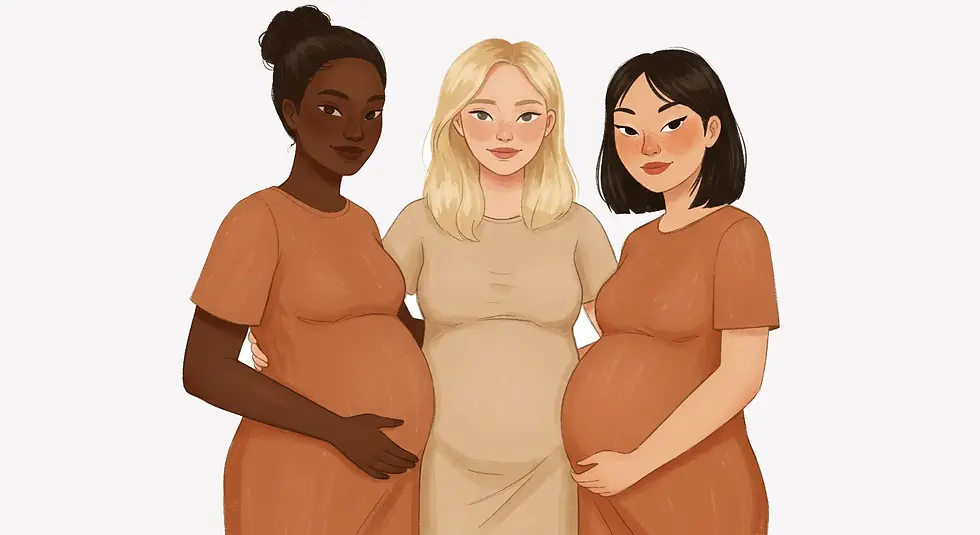
Round Ligament Pain: You might feel pain on the sides of your abdomen as your uterus stretches.
-
Breast Pain: Your breasts may be sore as they prepare for milk production.
-
Sharp Abdominal Pain: This pain may radiate toward your thighs.
-
Back Pain: The extra weight and growing uterus can put pressure on your back.
-
Hemorrhoid Pain: The enlarging uterus may press on blood vessels in the rectal area, causing discomfort.
-
Sharp Pain in the Legs: Nighttime leg cramps are also common during this stage.
-
Here are a few common reasons for belly tightness:
-
Braxton Hicks Contractions: These are mild, irregular, and usually painless contractions. They help prepare your uterus for labor and can cause your belly to feel tight.
-
Polyhydramnios: In rare cases, excess amniotic fluid may cause your belly to feel overly tight and firm. If you suspect this, consult your doctor.
-
At 21 weeks, your baby is still small and has plenty of room to move freely inside the womb.
-
Their position is not fixed yet — they could be head up, head down, or lying sideways.
-
You’ll likely begin to feel their little movements and kicks more clearly this week.
-
-
Maintain a balanced diet and stay well-hydrated.
-
Engage in moderate exercise, such as walking, to ease physical discomfort.
-
Avoid alcohol and smoking.
-
Reduce stress by focusing on activities that bring you joy and relaxation.
-
FAQ
Explore & Learn


I hope this blog has provided you with helpful information about pregnancy while also making your reading experience enjoyable. Remember, the details shared here are purely for awareness, entertainment, and educational purposes.
If you have any questions or concerns during this journey, don’t hesitate to consult your doctor. Wishing you a healthy and love-filled pregnancy!
SEE YOU NEXT WEEK WITH NEW AND EXCITING INSIGHTS!
For Underweight Moms-to-Be
or Those Struggling to Gain Weight
Gender Screening on Ultrasound
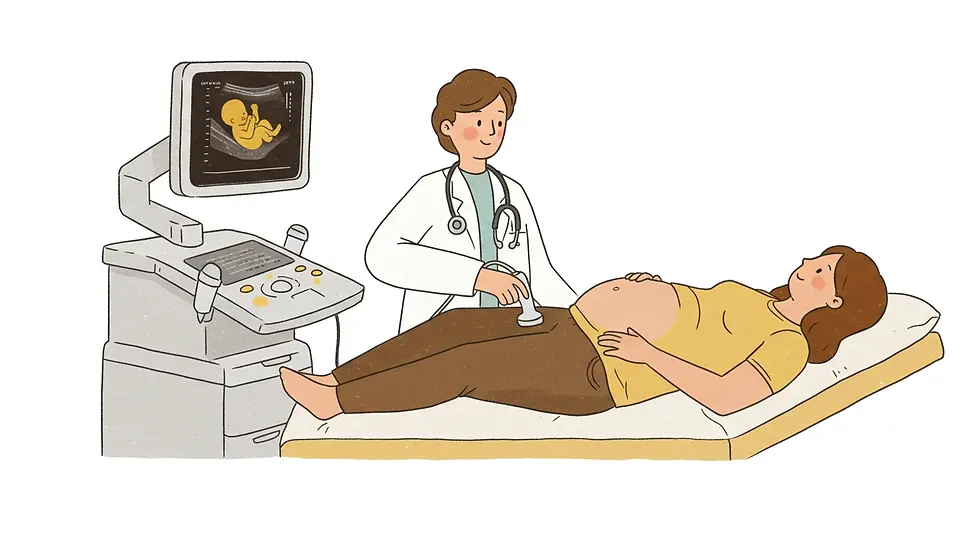
However, for the most accurate results, it’s typically best to wait until around 20 weeks,
when gender differences become more pronounced. While gender predictions can be made as early as week 16, waiting a few more weeks can provide a clearer and more definitive answer
Baby Boy
On an ultrasound, the genitalia of a baby boy may appear as a snail or turtle
shape. This image can be a clue that your baby is a boy.
Baby Girl
For a baby girl, the ultrasound may show three distinct lines (the outer edges of the vulva). These lines are indicative of a baby girl.