Week 23
Hi,
.
our baby's senses are developing, and they’re starting to explore the world around them. Let’s dive into the excitement of week twenty-three together!
%20(1).webp)
11.38
inches long
17.68 oz
ounces
This week, your baby is about the size of a banana!
Just like a banana ripening under the warm sun, your baby is growing rapidly. Tiny fingers are moving more freely, and they might even be "practicing" facial expressions — maybe a sweet little smile or a tiny frown...
Your Baby's
Development
This week, your baby's movements are becoming much more noticeable!
You may feel stronger kicks, tiny wiggles, and even sweet little "hellos" from your growing little one

Face
Your baby's little face is now fully formed — even the tiniest nostrils are ready to charm you!
.webp)
Nipples
Tiny nipples are starting to form, adding more details to your sweet baby's little body.
.webp)
Bone Marrow
Baby’s bone marrow is busy making blood cells — building up the strength they’ll soon need to meet you!

Lungs
Tiny alveoli are forming, and little lungs are practicing for their very first breaths.

Skin
A soft layer of baby fat is starting to form, giving their skin a fuller, smoother, and even more huggable look.

Eyes
Rapid eye movements have begun — your little dreamer might already be having their first dreams!

Reflexes
Baby is learning to grasp and flinch — practicing all the tiny moves they'll soon show you.
.webp)
Circadian Rhythms
Heart rate, breathing patterns, and movements begin to follow a rhythmic cycle, laying the foundation for a sleep-wake pattern.
Hair
The first strands of hair are getting their color — a sweet hint of the little personality growing inside.
.webp)
Pancreas
Baby's pancreas is now producing insulin, building the perfect little system to thrive after birth.
Important Things to Know
If birth were to occur at 23 weeks, with intensive care support, your baby could have a chance of survival.
During this time, your little one is undergoing an incredible journey of strength and development.
Symptoms
you may experience
Weight Gain
Healthy weight gain: 1–2 lbs/week.
By BMI:
-
<18.5: ~28 lbs
-
18.5–24.9: 24–35 lbs
-
25–29.9: 15–24 lbs
-
30+: 11–20 lbs
Swelling (Edema)
Mild swelling in your feet and ankles is common — be sure to stay well hydrated!
Increased Appetite and Cravings
As your baby grows, you may feel hungrier and experience more cravings.
Nasal Congestion and Snoring
Hormonal changes can affect nasal tissues, causing stuffiness or snoring.
Frequent Urination
The growing uterus presses against your bladder, leading to more frequent bathroom visits.
Back Pain
Extra baby weight can add pressure on your back, causing discomfort.
Sensitive Gums
Hormonal shifts may cause swelling or bleeding in your gums.
Slower Digestion
Progesterone slows digestion, making you feel more bloated.
Tingling in Hands and Wrists
Swelling may put pressure on your nerves, causing tingling or numbness.
Varicose Veins
You might notice more visible veins, especially in your legs.
Headaches and Dizziness
Dehydration or low blood sugar may trigger these symptoms.
This week, you'll begin to feel the magic of pregnancy even more closely! As your baby grows, it's perfectly normal to experience some changes and symptoms. Here’s what you might notice

If you notice new symptoms or feel concerned about anything
Don’t hesitate to reach out to your doctor.
Whats Happening
to Your Body?

Popped-Out Belly Button
As your belly expands, your belly button may start to pop out — a temporary change that usually returns to normal after birth.
Anxiety
Thoughts about responsibilities, birth, and the future may increase your worries. These feelings are normal and can be eased by sharing and seeking support.
.webp)
Stretch Marks
As your skin stretches, you might notice stretch marks on your belly, breasts, or hips. Using moisturizers can help soothe and support your skin.

Skin Color Changes
Increased melanin can cause dark spots on your face and body. You may also notice a dark line, called the linea nigra, running down your belly.
.webp)
Darkened and Enlarged Areolas
The area around your nipples may grow larger and darker — a natural change that helps your baby find the breast after birth.

Mood Swings
Hormonal shifts might cause your mood to swing from joy to restlessness. While usually short-lived, they can sometimes feel overwhelming.
Be gentle with yourself! Pregnancy is a journey, and every feeling along the way is part of it. Embrace yourself with love and patience.
As your baby keeps growing, your body beautifully adapts to make room. Here are some physical changes you might notice at 23 weeks
Remember!
Feeling your baby grow each week is a beautiful, unforgettable adventure for both you and your tiny miracle.
Quick Tip!
As your uterus grows, the surrounding ligaments stretch, which can cause mild aches on the sides. This is normal and temporary.
Every new symptom you experience is a sign of your baby’s beautiful development.
Take good care of yourself and don’t forget to rest!
Reminder
It’s completely natural for some friendships to change during pregnancy. Not everyone will understand how you’re feeling and that’s okay.
Don’t worry about it; just remember that this is one of the most precious times for you and your baby
Quick Tip!
With these thoughtful gestures, you can make this special journey even more enjoyable for your partner. Remember, your support is one of her greatest sources of strength during this amazing time.
When Should
You Call
Doctor?
Leakage of Amniotic Fluid
Any fluid leaking from the vagina may indicate a rupture of the amniotic sac and requires immediate attention.
Severe Menstrual-Like Cramps
Strong, persistent cramps similar to period pain should not be ignored.
Constant Lower Back Pain
A dull, continuous ache in the lower back could be an early warning sign.
Heavy Pelvic Pressure
An intense feeling of pressure in the pelvic area may suggest early labor.
Abdominal Cramps
Sudden stomach cramps, even without diarrhea, can be concerning and should be checked.
Sudden Increase in Vaginal Discharge
An unusual rise in vaginal discharge, especially if it changes in color or consistency, needs medical evaluation.
Vaginal Bleeding or Spotting
Any bleeding or spotting during pregnancy must be reported to your doctor immediately.
At 23 weeks, certain symptoms could be signs of preterm labor. If you notice any of the following, contact your doctor immediately
Some women may experience pelvic girdle pain during this period. This is characterized by stiffness and discomfort in the pelvic joints.
Monitoring your weight gain and blood pressure is crucial to detect any risks early, such as preeclampsia.
Regular tracking helps ensure a safe pregnancy progression.Using a fetoscope or other appropriate devices, your doctor will listen to your baby’s heartbeat.
This regular check is a reassuring way to monitor your baby's health and well-being.An electrocardiogram (EKG) may be recommended to evaluate your heart health, especially if there are prior concerns or if your doctor feels it’s necessary.
A detailed ultrasound provides a clear view of your baby’s development.
It helps assess organ formation and can identify certain congenital anomalies early, although it may not capture every detail about each organ or condition.
Your OB-GYN Visit This Week
During this stage of pregnancy, your doctor will perform several important tests to ensure a healthy journey for both you and your baby. These tests help detect potential issues early and allow for timely intervention.
Is There
a Risk Of
Miscarriage?
Structural
abnormalities
Uncontrolled
maternal diabetes
or exposure to
teratogens
Infections
Sexually
transmitted
diseases
Hormonal
abnormalities
Unbalanced
lifestyle
The risk of miscarriage at 19 weeks gestation is very rare, but the possibility of pregnancy loss in the second trimester is not completely eliminated
-Approximately 1-5% of pregnancy losses occur between 13 and 19 weeks of pregnancy.
- Of these losses, 24% are due to chromosomal abnormalities in the fetus.
If you notice any of the following symptoms, you should contact your doctor immediately
-
Severe abdominal cramps
Intense pain in the lower abdomen or back. -
Bleeding
Bleeding can be light spotting or more intense
Signs of Miscarriage
at 18 Weeks
To reduce the risk of miscarriage
-
Adopting a healthy lifestyle
-
Detecting possible complications with early pregnancy tests
-
Regularly attending the treatments and prenatal check-ups recommended by your doctor
-
Always consult your doctor before using herbal supplements
Sharing every change you experience this week, big or small, with your doctor will ease your worries. Remember, with healthy living habits and guidance from your doctor, you can be one step closer to safely embracing your little miracle.
How to
Prevent Miscarriage?

Unsafe
Plants
in Pregnancy
Saw palm
Dong Quai
Goldenseal
Ephedra
Passion flower
Pay D'Arco
Yohimbe
Black gentian
Roman chamomile
Blue gentian
Dandelion
Chamomile
Stinging nettle
Aloe
Mint leaf
Ginseng
Fireweed
Cassia
Kava Kava
Evening flower
These plants can cause uterine contractions that can lead to miscarriage, premature birth or damage fetal development

Safe
Plants
in Pregnancy
Red raspberry leaf
Peppermint leaf
Ginger root
Oats and oat straw
Slippery elm bark
Each herb works differently , your doctor will know what’s best for you. When using herbs, eat well and drink plenty of water. Always choose what’s safest for you and your baby.
With your doctor’s approval, you may consume the following herbs in moderation
Drink plenty of water and enjoy balanced meals rich in fruits, vegetables, and Omega-3 fish like salmon, pollock, and anchovies. Avoid high-mercury fish such as tilefish, shark, swordfish, and king mackerel.
Continue daily supplements containing folic acid and iron (recommended 27 mg iron per day).
Stay away from smoking, alcohol, drugs, and limit caffeine intake to protect your baby's development.
Engage in light exercises like walking to boost your energy and circulation, and make sure to get enough restful sleep every day.
Brush and floss daily to maintain healthy gums, which may become more sensitive during pregnancy.
Wear loose, breathable clothes that support your growing body.
Avoid handling cat litter, limit exposure to toxic chemicals and radiation, and reduce direct contact with electronic devices like laptops and phones.
Lower your stress levels with calming activities like meditation, deep breathing exercises, and gentle stretches.
Don’t hesitate to ask for help from your partner, family, or friends — sharing the journey brings comfort and joy.
Read pregnancy and childbirth books to feel more informed and confident about the upcoming stages.
If you're working, start organizing your maternity leave paperwork to avoid last-minute stress.
Tips for You

During your pregnancy journey, there are some important steps you can take to protect both your baby’s health and your own. Here’s how to enjoy a healthy and comfortable pregnancy
Must-Have Products
for This Week!
Offer a space where your partner feels physically and emotionally supported. A loving atmosphere helps both of you relax and connect.
Pregnancy can make daily chores exhausting. Lending a hand shows how much you care and eases your partner’s load.
Attend doctor appointments together to track your baby's development and show your support. It’s a wonderful way to bond with both your partner and your baby.
Accompany your partner while shopping for comfortable and stylish maternity clothes — a thoughtful gesture that shows you’re by her side.
Read pregnancy books and explore pregnancy apps together. Understanding the journey better will help you provide more meaningful support.
Arrange a cozy dinner date or a peaceful evening activity. Small, thoughtful surprises can make your partner feel truly special.
Give relaxing neck and foot massages to help ease pregnancy aches. A simple, caring touch can make a world of difference.
Get involved in planning the baby shower and setting up the nursery. It’s a beautiful way to celebrate and prepare for your baby's arrival together.
Your partner may need both physical and emotional support during this time. Being there for her not only strengthens your bond but also helps you grow into your role as a parent

Tips for Partner

Movie Pick
of the week

Look Who’s Talking
This fun, heartwarming film from the late '80s is the perfect light-hearted pregnancy movie. Mollie (Kirstie Alley), a single accountant, finds herself pregnant after a misguided relationship and must redefine her life.
The funniest part? We get to hear the witty inner voice of her unborn baby — voiced by Bruce Willis!
Rather than focusing on "finding a man," the movie shines through its humorous storytelling and colorful depiction of a baby's inner world.
Whenever you feel tired, watching this nostalgic and sweet movie can lift your spirits and bring a warm smile to your pregnancy journey.

Book Pick
of the week

Secrets of the Baby Whisperer
Tracy Hogg
Tracy Hogg offers a calm, heartfelt guide to understanding your baby's unique personality, needs, and body language.
This book helps you build confidence in your parenting instincts, providing practical tips to create peaceful routines and strong emotional bonds.
It’s a sweet companion for your pregnancy preparing you for a mindful, soothing start to motherhood.
Name Suggestions
of the week
Parker
Parker is of English origin and means "park keeper." Inspired by nature, this name reflects a responsible, sensitive character. Parker also symbolizes a calm, dependable personality with strong leadership qualities.
Hannah
Hannah is of Hebrew origin and means "grace." It symbolizes a gentle, compassionate, and understanding spirit. Choosing this name suggests your baby will have a loving and elegant soul.
Share Your Week with Us!
Every week of pregnancy is a new chapter, a unique experience…
How was your week? How are you feeling? Share your little joys, excitements, or questions with us!
Your experiences can inspire and support other moms-to-be on the same journey.
At 23 weeks, your baby's movements can still be irregular, and there’s no set number to expect yet.
Movements typically become more consistent between 24–28 weeks.
If you notice a sudden decrease in movements, contact your doctor.Yes, gender can often be determined by tests available as early as 11 weeks.
By 23 weeks, an ultrasound can also usually reveal your baby's gender.No, at 23 weeks your baby is not yet fully developed, but is growing rapidly and their organs are continuing to mature.
Sleeping on your side is recommended to improve blood flow to the fetus and reduce pressure on your body.
Lying on your left side is especially beneficial.
Placing a pillow between your knees can also enhance comfort.Yes, starting around 18 weeks, your baby begins hearing sounds inside your body.
By 23 weeks, some babies may even respond to external sounds, with sensitivity becoming more noticeable around 28 weeks.At this stage, your baby may sleep around 12–14 hours per day, usually in short sleep cycles.
FAQ
Explore & Learn


I hope this blog has provided you with helpful information about pregnancy while also making your reading experience enjoyable. Remember, the details shared here are purely for awareness, entertainment, and educational purposes.
If you have any questions or concerns during this journey, don’t hesitate to consult your doctor. Wishing you a healthy and love-filled pregnancy!
SEE YOU NEXT WEEK WITH NEW AND EXCITING INSIGHTS!
For Underweight Moms-to-Be
or Those Struggling to Gain Weight
Gender Screening on Ultrasound
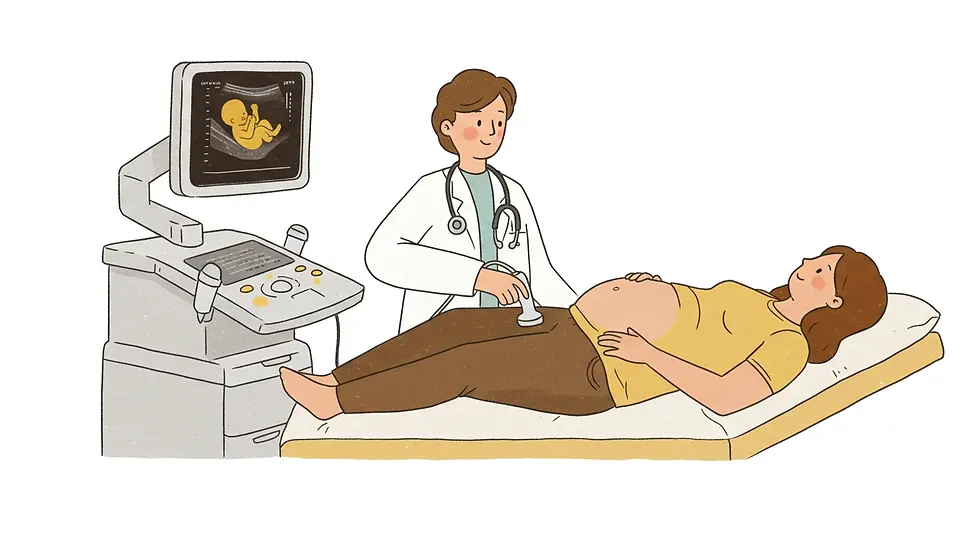
However, for the most accurate results, it’s typically best to wait until around 20 weeks,
when gender differences become more pronounced. While gender predictions can be made as early as week 16, waiting a few more weeks can provide a clearer and more definitive answer
Baby Boy
On an ultrasound, the genitalia of a baby boy may appear as a snail or turtle
shape. This image can be a clue that your baby is a boy.
Baby Girl
For a baby girl, the ultrasound may show three distinct lines (the outer edges of the vulva). These lines are indicative of a baby girl.