Week 25
Hi,
.
Your baby is starting to develop sleep and wake cycles.
Let’s take a look at what the twenty-fifth week brings
%20(1)_edited.png)
13.62
inches long
23.28
ounces
This week, your baby is about the size of a cute cauliflower!
Just like the tight and orderly structure of a cauliflower, your baby’s body is growing and strengthening rapidly.
Feeling your baby’s movements this week will be a beautiful reminder of their incredible growth journey.
Your Baby's
Development
This week, your baby’s organs are continuing to take shape rapidly.
Learning how your little one’s tiny body is being organized is both fascinating and exciting!

Skin
Fat begins to accumulate beneath the skin, giving your baby a softer and plumper appearance.
.webp)
Nose
The nostrils begin to open, laying the foundation for your baby’s airways.

Reflexes
Your tiny miracle may now respond to sound, touch, and light—perhaps already hearing you!
.webp)
Spine
The spine continues to develop and strengthen through the formation of its many parts.

Lungs
Breathing patterns are forming, and your baby practices “breathing” about 44 times per minute. Alveoli begin to produce surfactant.
%20kopyas%C4%B1.webp)
Kidneys
They start producing urine, contributing to the cycle of amniotic fluid.
.webp)
Brain
Developing rapidly, it’s now coordinating your baby’s movements and reflexes.
.webp)
Digestive System
Though not fully mature, it continues to grow and develop each day.
Movements and Sleep Patterns
Your baby’s strong kicks and movements are signs that they’re comfortable in the womb and developing well.
As your baby begins to develop a regular sleep-wake rhythm, it’s perfectly normal to notice occasional increases or decreases in movement.

Symptoms
you may experience

Weight Gain
Recommended Weight Gain by BMI:
-
Under 18.5: 28–40 lbs
-
18.5–24.9: 25–35 lbs
-
25–29.9: 15–25 lbs
-
30 and above: 11–20 lbs
Sleep Problems
Frequent nighttime bathroom visits, a growing belly, back pain, or leg cramps can all disrupt your rest. Supportive pillows and finding a comfortable sleep position may help you sleep better.
Frequent Urination
The expanding uterus puts pressure on your bladder, which leads to more frequent trips to the bathroom. It’s important to stay hydrated throughout the day rather than cutting back on fluids.
Constipation
The hormone progesterone relaxes intestinal muscles and slows digestion. Eating fiber-rich foods and drinking plenty of water can relieve this discomfort.
Hemorrhoids
Increased blood flow and constipation can cause veins in the rectal area to swell. Adding more fiber to your diet and avoiding sitting on the toilet for too long can help ease symptoms.
Gas and Bloating
Indigestion and slower digestion can lead to gas buildup and bloating. Eating slowly and avoiding gas-producing foods like cabbage or beans may help reduce discomfort.
Heartburn
As your uterus grows, it puts pressure on your stomach, allowing acid to rise into the esophagus. Eating small, frequent meals and avoiding spicy or fatty foods can ease the burning sensation.
Back Pain
The added weight of your baby places pressure on your lower back. Practicing good posture, using lumbar support, and doing gentle stretches can help reduce back discomfort.
Fatigue
Your body is working extra hard to support your baby’s development, making you feel more tired than usual. Taking short breaks during the day and getting good sleep at night will help restore your energy.
Swelling (Edema)
Fluid retention may cause mild swelling in your hands and feet. Elevating your feet, drinking plenty of water, and reducing sodium intake can help with this.
Braxton Hicks Contractions
These are mild, irregular practice contractions that may begin as your body prepares for labor. They usually go away when you rest or change positions.
Carpal Tunnel Syndrome
Increased fluid in your body may press on nerves in your wrists, leading to tingling or numbness. Wearing wrist splints, especially while sleeping, can provide relief.
Snoring
More blood flow to nasal membranes can cause congestion and snoring. Keeping nasal passages clear and using a humidifier can help you breathe easier at night.
As your baby grows rapidly, your body goes through many changes to keep up.
Here are some common symptoms you may encounter this week and what to watch for

If you notice new symptoms or feel concerned about anything
Don’t hesitate to reach out to your doctor.
Whats Happening
to Your Body?

Changes in the Breasts
As your breasts continue to grow, your areolas (the area around your nipples) may darken due to hormonal changes.
.webp)
Skin Stretching and Stretch Marks
As your belly expands, you may feel slight itching or tightness
Stretch marks appear in 33% to 88% of pregnancies, so keeping your skin moisturized can help
.webp)
Linea Nigra
The dark line from your belly button to pubic area may become more visible with hormonal shifts

Your Hair is Glowing
Hormonal changes can make your hair look thicker, shinier, and healthie
All these changes are beautiful reflections of your body’s incredible efforts to create a cozy and safe home for your baby.
Be kind to yourself during this amazing journey nurture your body, embrace the transformations, and cherish every moment.
Remember, the itching is temporary, but the memories of this magical journey will last forever.
Whats Happening
to Your Emotions?

Mood Swings from Hormonal Shifts
It’s completely normal to feel your emotions rise and fall throughout the day due to changing hormone levels
.webp)
Excitement and Anxiety About Birth
You may feel both joy and worry about giving birth and becoming a parent, and these mixed emotions are very common

Need for Understanding and Support
Be kind and patient with yourself, believe that everything will work out, and don’t hesitate to lean on your loved ones for emotional support
Pregnancy brings not only physical transformations but emotional shifts as well.
During this stage, your feelings may vary more than usual—and that’s okay.
Here's what you might experience
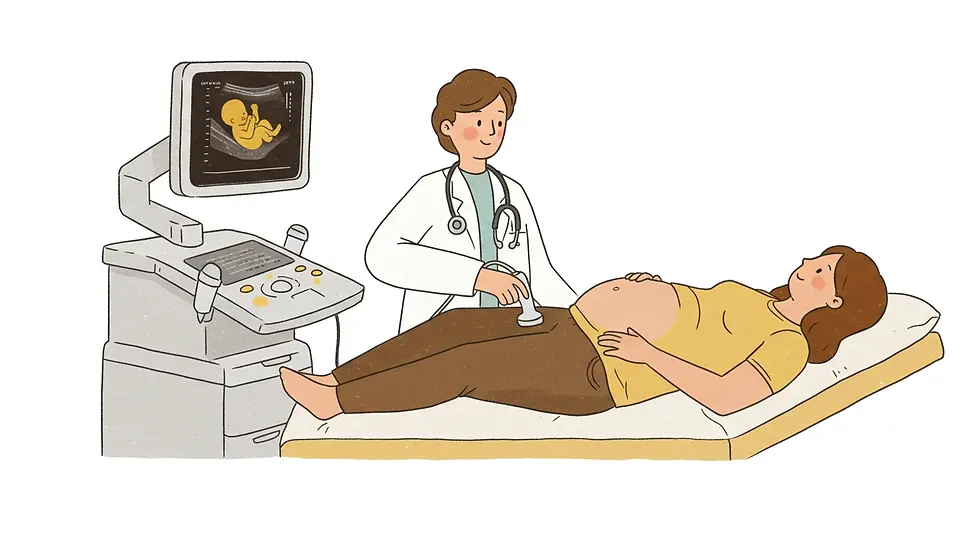
Your Baby on Ultrasound
At this stage, your baby is still quite small and has plenty of room to move around in the womb.
During a pregnancy ultrasound, you may see your tiny miracle “dancing” in different positions.
Before settling into the optimal birth position, your baby might explore a variety of poses.
Quick Note!
While many of these symptoms are completely normal, be sure to contact your doctor if you experience severe pain, heavy bleeding, or anything that feels unusual. Take good care of yourself and your baby—doing so will help you navigate this special time with more comfort and peace.
Quick note!
every woman’s pregnancy journey is unique, and it’s important not to compare yourself to others.
Listen to your body, build a support network with your loved ones, and don’t forget to enjoy each moment of this incredible experience.
Take good care of yourself and your little miracle!
Quick Tip!
These thoughtful gestures can make her pregnancy smoother and more joyful.
Remember, your presence and loving attention are the most meaningful gifts you can offer.
When Should
You Call
Doctor?

Frequent Contractions
More than five contractions in an hour (about every 10 minutes or more often)
Fluid Leakage
Trickling or a gush of amniotic fluid from the vagina
Menstrual-Like Cramps
Pain in the lower abdomen similar to period cramps
Persistent, Dull Back Pain
Lower back pain that doesn’t go away with rest
Pelvic Pressure
A feeling of downward pressure or heaviness
Abdominal Cramps
Sudden or intense stomach pain
Vaginal Bleeding
Any spotting or bleeding, even light
Changes in Vaginal Discharge
Noticeable shift in color, smell, or amount
These symptoms may be signs of preterm labor or another complication.
While many discomforts are part of a normal pregnancy, never hesitate to reach out to your doctor if something doesn’t feel right.
Your health and your baby’s well-being are always the top priority.
At 24 weeks, premature babies have a one in two chance of survival with proper hospital care and access to a well-equipped Neonatal Intensive Care Unit (NICU). This highlights the importance of being prepared for early delivery and having access to the necessary medical support.
-
Weight Monitoring
Your weight is tracked to ensure it remains within the healthy range recommended by your doctor -
Blood Pressure Measurement
Helps detect early signs of high blood pressure or other pregnancy-related risks
-
-
This test checks for the risk of gestational diabetes (pregnancy-related diabetes)
-
How It Works
You’ll be asked to drink a sweet glucose solution
One hour later, your blood will be drawn to check your glucose level
If the result is higher than the reference range, the test is considered positive
-
-
If your glucose screening result is positive, or if your doctor suspects gestational diabetes, a glucose tolerance test is performed
-
How It Works
You’ll fast overnight before the test
Your fasting blood sugar will be measured
Then, after drinking a glucose solution, blood samples will be taken at 1, 2, and 3 hours
The results will help confirm whether you have gestational diabetes
-
-
Diet
If diagnosed, your doctor may recommend a lower-sugar, balanced diet -
Lifestyle
Regular physical activity and healthy eating habits can help manage your blood sugar levels -
Medication or Insulin
In some cases, additional treatment or insulin may be needed
-
Your OB-GYN Visit This Week
At this stage, your routine check-ups with your OB-GYN help closely monitor the health of both you and your baby.
Here are some common procedures you may encounter—and why they matter
Is There
a Risk Of
Miscarriage?
Structural
abnormalities
Uncontrolled
maternal diabetes
or exposure to
teratogens
Infections
Sexually
transmitted
diseases
Hormonal
abnormalities
Unbalanced
lifestyle
The risk of miscarriage at 19 weeks gestation is very rare, but the possibility of pregnancy loss in the second trimester is not completely eliminated
-Approximately 1-5% of pregnancy losses occur between 13 and 19 weeks of pregnancy.
- Of these losses, 24% are due to chromosomal abnormalities in the fetus.
If you notice any of the following symptoms, you should contact your doctor immediately
-
Severe abdominal cramps
Intense pain in the lower abdomen or back. -
Bleeding
Bleeding can be light spotting or more intense
Signs of Miscarriage
at 18 Weeks
To reduce the risk of miscarriage
-
Adopting a healthy lifestyle
-
Detecting possible complications with early pregnancy tests
-
Regularly attending the treatments and prenatal check-ups recommended by your doctor
-
Always consult your doctor before using herbal supplements
Sharing every change you experience this week, big or small, with your doctor will ease your worries. Remember, with healthy living habits and guidance from your doctor, you can be one step closer to safely embracing your little miracle.
How to
Prevent Miscarriage?

Unsafe
Plants
in Pregnancy
Saw palm
Dong Quai
Goldenseal
Ephedra
Passion flower
Pay D'Arco
Yohimbe
Black gentian
Roman chamomile
Blue gentian
Dandelion
Chamomile
Stinging nettle
Aloe
Mint leaf
Ginseng
Fireweed
Cassia
Kava Kava
Evening flower
These plants can cause uterine contractions that can lead to miscarriage, premature birth or damage fetal development

Safe
Plants
in Pregnancy
Red raspberry leaf
Peppermint leaf
Ginger root
Oats and oat straw
Slippery elm bark
Each herb works differently , your doctor will know what’s best for you. When using herbs, eat well and drink plenty of water. Always choose what’s safest for you and your baby.
With your doctor’s approval, you may consume the following herbs in moderation
Drink at least 8 glasses of water a day to support circulation and maintain energy levels
Relax your mind with meditation, light walks, or hobbies you enjoy
Spending time with loved ones also helps ease stressChoose home-cooked meals to ensure clean and nutritious ingredients
Include omega-3 rich fish like salmon, pollock, anchovies, cod, shrimp, and catfish
Avoid high-mercury fish like tilefish, shark, swordfish, and mackerel
Support development with prenatal vitamins and a diet rich in iron and folic acidStay away from smoking and alcohol, and limit caffeine to prevent heart palpitations or sleep issues
Try gentle exercises like walking, pelvic floor strengthening, stretching, or core stability movements
Practice deep breathing with your diaphragm to ease shortness of breath
Light water workouts in a pool can relieve joint and back discomfortBrush and floss regularly as gum and dental issues may become more common during pregnancy
Choose loose, breathable fabrics to keep your skin comfortable
Avoid cleaning cat litter and exposure to toxic chemicals to reduce health risksNever take medication without your doctor’s guidance to ensure safety for you and your baby
Read parenting books or join childbirth classes to feel more informed and confident
Planning for baby names or nursery setup can be both fun and reassuringKeep fruits or nuts with you when out or at work to avoid sudden hunger
Connect with family and friends for encouragement and emotional comfort
Enjoy activities that boost your mood—your baby will feel the good energy tooShare housework, plan small getaways, or enjoy simple moments like a foot massage together to strengthen your bond and boost your well-being
Tips for You

As your baby grows quickly, taking care of yourself becomes more important than ever. Here are some helpful tips to support your well-being and happiness during week 25
Must-Have Products
for This Week!
Set up a peaceful and relaxing atmosphere at home
Play her favorite music, add flowers or candles for a comforting touchTake over tasks like cooking, cleaning, or shopping to give her more time to rest
Being by her side at doctor visits shows support and keeps you both informed about the baby’s progress
Upper back and leg massages can relieve pregnancy aches and improve circulation
Neck and foot massages help ease daily fatigue and make her feel pamperedPicking out baby and maternity items as a team turns necessities into enjoyable moments
Take a short trip, have a picnic, or book a spa visit to unwind and connect
Whether at home or in a salon, a simple self-care session can lift her mood and make her feel refreshed
During pregnancy, your partner needs both emotional and physical support. Here are some thoughtful ways to make this time more comfortable and joyful for her

Tips for Partner

Movie Pick
of the week

Away We Go
follows an expecting couple, Verona and Burt, as they travel across the U.S. searching for the perfect place to raise their baby. Along the way, they explore different parenting styles and reflect on what "home" really means.
This heartfelt indie film offers a warm, funny, and honest look at the journey into parenthood—perfect for moms-to-be.

Book Pick
of the week

Healthy Sleep Habits, Happy Child
by Marc Weissbluth is a science-based guide to building healthy sleep routines for your baby. It offers gentle, practical strategies to help you feel more prepared for nighttime care and newborn sleep, making it a helpful read during pregnancy.
Name Suggestions
of the week
Adrian
Adrian is of Latin origin and means "sea." It symbolizes a calm, steady, and profound spirit—like the ocean itself.
This name suggests a baby with a peaceful yet strong character, full of wisdom and love.
Maya
Maya has roots in both Hebrew and Sanskrit, meaning "water" and "illusion" or "dream." It represents a deep, mystical, and emotional personality.
A child named Maya is often imagined to be intuitive, imaginative, and highly creative.
Share Your Week with Us!
Every week of pregnancy is a new chapter, a unique experience…
How was your week? How are you feeling? Share your little joys, excitements, or questions with us!
Your experiences can inspire and support other moms-to-be on the same journey.

It's unclear whether babies experience “fear” in the womb
However, by around week 26, they may startle or react to loud soundsNo, by week 25, you're well into your second trimester
Early symptoms like morning sickness often start to fade by this timeWeeks 14–28 are generally the most comfortable for travel
If your pregnancy is considered high-risk, talk to your doctor before making any travel plansEat 25–30g of fiber daily, drink 10–12 glasses of water, and stay active with safe exercises like walking, swimming, or prenatal yoga
With proper care and access to a NICU (Neonatal Intensive Care Unit), the survival rate at 25 weeks can be around 80%
Specialized medical support is crucial for premature babiesGentle techniques like Swedish massage are used to ease muscle tension and improve circulation
Therapists use pregnancy-safe oils and adjust positions to ensure comfort and safety
FAQ
Explore & Learn


I hope this blog has provided you with helpful information about pregnancy while also making your reading experience enjoyable. Remember, the details shared here are purely for awareness, entertainment, and educational purposes.
If you have any questions or concerns during this journey, don’t hesitate to consult your doctor. Wishing you a healthy and love-filled pregnancy!
SEE YOU NEXT WEEK WITH NEW AND EXCITING INSIGHTS!
For Underweight Moms-to-Be
or Those Struggling to Gain Weight
Gender Screening on Ultrasound
However, for the most accurate results, it’s typically best to wait until around 20 weeks,
when gender differences become more pronounced. While gender predictions can be made as early as week 16, waiting a few more weeks can provide a clearer and more definitive answer
Baby Boy
On an ultrasound, the genitalia of a baby boy may appear as a snail or turtle
shape. This image can be a clue that your baby is a boy.
Baby Girl
For a baby girl, the ultrasound may show three distinct lines (the outer edges of the vulva). These lines are indicative of a baby girl.