Week 26
Hi,
.
As you begin preparing for birth, your baby’s lungs are developing rapidly.
Let’s explore the surprises that week 26 brings.
_edited.png)
14.02
inches long
26.81
ounces
This week, your baby is about the size of a tiny bunny!
Just like a bunny graceful and full of energy your baby is becoming more active every day.
With little arms and legs, they’re dancing playfully in your belly, while their growing organs and reflexes are getting ready for the outside world.
This sweet little bunny is already filling your heart with joy and as they grow, they’ll warm your soul even more.
Your Baby's
Development
Your baby’s body continues to go through beautiful changes this week.
Knowing how your little one is growing day by day can be both exciting and comforting during this journey.
Here’s what’s happening with your baby at this stage
.webp)
Nose
The nostrils begin to open, preparing for future breathing habits

Lungs
Breathing patterns form, and your baby may “practice” breathing around 44 times per minute; alveoli begin to produce surfactant

Reflexes
Your little one can now respond to sounds, touch, and even light—signs that the senses are developing

Skin
Fat is starting to build up beneath the skin, helping your baby develop a soft and smooth texture for birth
.webp)
Spine
The spine continues to grow stronger, getting ready to support an upright posture
%20kopyas%C4%B1.webp)
Kidneys
Continue producing urine, contributing to the amniotic fluid cycle
.webp)
Brain
Growing rapidly and guiding your baby’s movements and reactions
.webp)
Digestive System
Still maturing, but progressing more each day
Movements and Sleep Patterns
.webp)
This week, your baby is showing strong movements and starting to follow a more regular sleep-wake rhythm.
These patterns are reassuring signs that your little one is thriving and beginning to settle into their own pace inside the womb.
Symptoms
you may experience

Weight Gain
Healthy Weight Gain by BMI:
-
Under 18.5: 28–40 lbs
-
18.5–24.9: 25–35 lbs
-
25–29.9: 15–25 lbs
-
30 and above: 11–20 lbs
Sleep Problems
A growing belly, frequent bathroom trips, and trouble finding a comfy position can affect your sleep. Extra pillows and a calming bedtime routine can help.
Frequent Urination
Your uterus is pressing on your bladder, which can increase the urge to pee. Drink plenty of water during the day and try cutting back slightly in the evening.
Constipation
The hormone progesterone slows digestion, leading to constipation. Fiber-rich foods, water, and light exercise like walking can help your digestion.
Hemorrhoids
Increased blood flow and constipation may cause pressure in the rectal area. Avoid long periods on the toilet and eat more fiber to ease discomfort.
Gas and Bloating
Indigestion can lead to gas and bloating. Eat slowly and avoid gas-producing foods like cabbage, beans, or onions.
Heartburn
As your uterus grows, it pushes on your stomach and may cause acid reflux. Eat small, frequent meals and stay upright after eating.
Back Pain
Your baby’s extra weight puts pressure on your lower back. Good posture, back pillows, and gentle stretching can bring relief.
Fatigue
Your body is working around the clock to support your baby. Short breaks, light movement, or herbal tea can help you recharge.
Swelling (Edema)
Increased fluid retention can lead to swelling in your hands and feet. Elevating your legs and resting with your feet up can help reduce puffiness.
Braxton Hicks Contractions
Mild, irregular contractions that go away with movement or position change—these are your body’s gentle way of practicing for labor.
Carpal Tunnel Syndrome
Increased blood volume may press on nerves in your hands and wrists, causing tingling. Wrist splints and gentle exercises can ease the discomfort.
Snoring
More blood flow to the nasal passages may cause congestion and snoring. Keeping your nose clear and your room humid can help.
Symphysis Pubis Dysfunction (SPD)
Relaxed pelvic ligaments and muscle tension can cause pelvic pain. Pelvic tilts and Kegel exercises may help strengthen and support the area.
Restless Legs Syndrome (RLS)
Also known as Willis-Ekbom Disease, RLS creates a tingling feeling and the urge to move your legs. It may be triggered by low iron (ferritin) levels—ask your doctor to check your levels if needed.
As your baby continues to grow, your body works hard to keep up.
Here are some of the most common symptoms you might experience during this beautiful journey:

If you notice new symptoms or feel concerned about anything
Don’t hesitate to reach out to your doctor.
Whats Happening
to Your Body?
.webp)
Breasts and Areolas
Hormonal changes may cause your breasts to grow and your areolas to darken—part of your body’s preparation for breastfeeding.
.webp)
Stretch Marks
As your belly grows, stretch marks may form—seen in 33% to 88% of pregnancies. Staying hydrated and moisturizing can help care for your skin.
.webp)
Linea Nigra
The dark line running from your belly button down to your pubic area may become more noticeable during this time.
.webp)
Fuller Hair
Rising hormone levels can make your hair appear thicker, shinier, and fuller, giving you that radiant “pregnancy glow.”
All these changes are sweet reflections of your body’s incredible work to grow your baby.
While some discomfort like itching may occur, taking care of yourself with water, light exercise, and rest can help you feel more comfortable and supported through this special time.
Whats Happening
to Your Emotions?

Mood Swings Are Common
Hormonal changes can cause your emotions to fluctuate more than usual—sometimes without a clear reason
.webp)
Worries About Labor and Parenting
As birth gets closer, it’s natural to feel uncertain or anxious about delivery or caring for your baby

Be Kind to Yourself
Give yourself space to rest, recharge, and acknowledge your feelings without judgment

Talk It Out
Sharing what you’re going through with someone you trust—your partner, a friend, or a fellow mom-to-be—can ease the emotional load
.webp)
Know When to Seek Support
If anxiety feels overwhelming or persistent, talking to your doctor or a mental health professional can bring real comfort
Pregnancy brings emotional changes too, especially as hormones shift.
This week, you may feel more mood swings or worries about labor and parenting.
These feelings are normal, many moms-to-be experience them. Here's how to cope
Baby’s Position in the Womb
During an ultrasound, you may notice that your baby still has plenty of room to move around, shifting into different positions with ease.
Before settling into the ideal birth position, your baby will likely explore all kinds of poses, sometimes head-down, other times curled up or lying sideways.
These gentle shifts, kicks, and rolls are your baby’s way of saying, “I’m healthy and growing just right.”
Quick Note!
Every mom-to-be experiences these symptoms differently.
Listen to your body, rest when needed, and don’t hesitate to reach out to your doctor.
The care you give yourself is the care you give your little miracle, helping them grow in the best way possible.
Important note!
Managing Gestational Diabetes
If diagnosed, it’s important to monitor your blood sugar regularly and follow your personalized nutrition plan closely.
Maintaining a Healthy Lifestyle
Even without a specific diagnosis, eating well and staying physically active are essential for your and your baby’s well-being.
Quick Tip!
Even the smallest gestures can help make this journey feel more joyful and supported for both of you.
Your love and presence are the most powerful gifts you can offer.
When Should
You Call
Doctor?

Frequent Contractions
More than five contractions in one hour (about every 10 minutes or less)
Leaking Amniotic Fluid
A gush or steady trickle of fluid from the vagina may signal a ruptured sac
Menstrual-Like Cramps
Cramping in the lower abdomen that feels like period pain may signal early labor
Persistent, Dull Back Pain
Ongoing backache that doesn’t go away with rest could be a sign of preterm contractions
Pelvic Pressure
A heavy or downward feeling in your pelvis might indicate the baby is pressing down earlier than expected
Abdominal Cramps
Sudden or intense stomach cramps—especially with loose stools—can be a warning sign of labor or infection
Vaginal Bleeding
Any bleeding, even light spotting, should be checked immediately to rule out complications
Changes in Vaginal Discharge
An increase in amount, or changes in color or smell, could signal infection or a ruptured membrane
If you notice any of the following signs, contact your doctor or healthcare provider right away
At 24 weeks, premature babies have a one in two chance of survival with proper hospital care and access to a well-equipped Neonatal Intensive Care Unit (NICU). This highlights the importance of being prepared for early delivery and having access to the necessary medical support.
Regular monitoring of your weight helps your doctor track your overall health and your baby’s growth throughout pregnancy.
Routine blood pressure checks are essential for early detection of pregnancy-related conditions like hypertension or preeclampsia.
If your glucose screening test results are outside the normal range, your doctor may recommend a glucose tolerance test (OGTT) to check for gestational diabetes.
-
Step 1: Glucose Screening Test
-
Done without fasting
-
You drink a sweet glucose solution
-
Your blood is tested one hour later to check glucose levels
-
Step 2: Glucose Tolerance Test (OGTT) (if needed)
-
You fast overnight
-
A fasting blood sample is taken
-
Then, after drinking a glucose solution, your blood is tested again at 1 hour, 2 hours, and 3 hours
-
If the results are abnormal, it may indicate gestational diabetes. In that case, your doctor will guide you through:
-
A low-sugar, balanced diet
-
Safe, regular physical activity
-
Medication or insulin if necessary
-
Your OB-GYN Visit This Week
At your prenatal appointment this week, your doctor will perform some important checks to monitor both your and your baby’s health.
Here’s a quick overview of what to expect
Is There
a Risk Of
Miscarriage?
Structural
abnormalities
Uncontrolled
maternal diabetes
or exposure to
teratogens
Infections
Sexually
transmitted
diseases
Hormonal
abnormalities
Unbalanced
lifestyle
The risk of miscarriage at 19 weeks gestation is very rare, but the possibility of pregnancy loss in the second trimester is not completely eliminated
-Approximately 1-5% of pregnancy losses occur between 13 and 19 weeks of pregnancy.
- Of these losses, 24% are due to chromosomal abnormalities in the fetus.
If you notice any of the following symptoms, you should contact your doctor immediately
-
Severe abdominal cramps
Intense pain in the lower abdomen or back. -
Bleeding
Bleeding can be light spotting or more intense
Signs of Miscarriage
at 18 Weeks
To reduce the risk of miscarriage
-
Adopting a healthy lifestyle
-
Detecting possible complications with early pregnancy tests
-
Regularly attending the treatments and prenatal check-ups recommended by your doctor
-
Always consult your doctor before using herbal supplements
Sharing every change you experience this week, big or small, with your doctor will ease your worries. Remember, with healthy living habits and guidance from your doctor, you can be one step closer to safely embracing your little miracle.
How to
Prevent Miscarriage?

Unsafe
Plants
in Pregnancy
Saw palm
Dong Quai
Goldenseal
Ephedra
Passion flower
Pay D'Arco
Yohimbe
Black gentian
Roman chamomile
Blue gentian
Dandelion
Chamomile
Stinging nettle
Aloe
Mint leaf
Ginseng
Fireweed
Cassia
Kava Kava
Evening flower
These plants can cause uterine contractions that can lead to miscarriage, premature birth or damage fetal development

Safe
Plants
in Pregnancy
Red raspberry leaf
Peppermint leaf
Ginger root
Oats and oat straw
Slippery elm bark
Each herb works differently , your doctor will know what’s best for you. When using herbs, eat well and drink plenty of water. Always choose what’s safest for you and your baby.
With your doctor’s approval, you may consume the following herbs in moderation
Your body needs more water during pregnancy, so drink regularly throughout the day to stay refreshed and support your baby’s growth.
-
Choose nutritious, home-cooked meals
-
Enjoy omega-3-rich fish like salmon, pollock, anchovies, cod, shrimp, and catfish
-
Avoid high-mercury fish like tilefish, shark, swordfish, and mackerel
-
Take prenatal vitamins with iron and folic acid as recommended by your doctor
-
Stay away from smoking, alcohol, and excessive caffeine to protect your baby’s development
Your body is working overtime—regular sleep and short breaks help restore your energy
-
Try safe activities like walking, pelvic floor and stretching exercises, or core strengthening
-
Breathing exercises (deep belly and diaphragm breathing) can reduce shortness of breath
-
Water-based exercises can also be calming and supportive
-
Brush and floss regularly to prevent gum and dental issues, which are more common during pregnancy
Loose, breathable clothes can help you stay cool and move freely
Always consult your doctor before using any medication during pregnancy
-
Don’t clean cat litter yourself, or use protective gear if you must
-
Stay away from toxic cleaning agents and chemicals
-
It’s a great time to learn about labor, pain management, and newborn care
Planning the nursery can be both fun and calming.
Don’t hesitate to ask your partner for support—it makes a big difference.
Tips for You

Pregnancy is a time of transformation for your body, your mind, and your heart.
These simple tips will help you feel stronger, more supported, and deeply connected to the little life growing inside you.
Must-Have Products
for This Week!
Soft music, her favorite flowers, or a gentle-scented candle can make home feel like a peaceful retreat.
Share the load by taking on meals, cleaning, or grocery runs—so she can rest more and worry less.
Being present at check-ups helps you bond with the baby and shows her she’s not alone in this journey.
A light back or leg massage can ease tension, while foot and neck rubs melt away daily stress.
Join her for baby shopping and plan small outings like a relaxing walk or spa visit to lift her spirits.
Arrange a manicure or pedicure—at home or at a local salon—so she can unwind and feel refreshed.

Tips for Partner
Pregnancy is a time of great physical and emotional change, and your presence and support can make all the difference.
Here are some thoughtful ways to help your partner feel more comfortable, cared for, and truly loved

Movie Pick
of the week

Bridget Jones’s Baby
Bridget’s unexpected pregnancy in her 40s sparks a hilarious and heartwarming adventure. But who’s the father her old flame Darcy or charming newcomer Jack? Both are ready to step up!
This feel-good comedy blends classic Bridget humor with the joys and chaos of becoming a mom. It’s a perfect pick for a laugh and a break from pregnancy stress.

Book Pick
of the week

Baby-Led Weaning
by Gill Rapley
Why we recommend it for expecting parents:
This guide introduces a gentle, intuitive approach to starting solids by letting your baby feed themselves. Gill Rapley emphasizes trust in your baby’s natural abilities and encourages healthy eating habits from the start.
Reading it during pregnancy helps you feel confident and informed when it's time for your baby to explore food on their own—making mealtimes more joyful for both of you!
Name Suggestions
of the week
Christopher
Christopher comes from Greek and means “bearer of Christ.” It carries a sense of spiritual depth and reflects a protective, wise, and loving nature.
A child named Christopher is often seen as someone with a strong sense of responsibility and a caring heart.
Naomi
Naomi is of Hebrew origin and means “pleasant” or “lovely.” It symbolizes grace, kindness, and a loving spirit.
A baby named Naomi is thought to bring joy and warmth to those around her, embodying a peaceful and gentle personality.
Share Your Week with Us!
Every week of pregnancy is a new chapter, a unique experience…
How was your week? How are you feeling? Share your little joys, excitements, or questions with us!
Your experiences can inspire and support other moms-to-be on the same journey.

At 26 weeks, your baby is about 35–36 cm (13.8–14.2 inches) long and weighs around 760 grams (1.7 lbs)—about the size of a small rabbit. They’re growing rapidly and becoming more active.
Your baby’s lungs, brain, and sensory systems are developing quickly. Alveoli (tiny air sacs) begin forming in the lungs, the brain is becoming more complex, and your baby is now responding more clearly to sound, light, and touch.
Yes—birth at 26 weeks is still considered very premature. However, with advanced neonatal care, babies born at this stage can have a survival rate over 80%. Still, keeping baby in the womb as long as safely possible is best.
Your growing uterus puts pressure on the bladder, making frequent urination very common. It’s normal. Try drinking more fluids during the day and limiting intake a few hours before bedtime.
Yes. Backaches, leg cramps, frequent bathroom trips, and a growing belly can all disrupt sleep. Try sleeping on your left side, using a pillow between your knees, and doing light stretches before bed.
Around this time, many providers recommend the glucose screening test if it hasn’t already been done. This checks for gestational diabetes. Routine checks like blood pressure, weight, and baby’s heartbeat are also done at prenatal visits.
FAQ
Explore & Learn


I hope this blog has provided you with helpful information about pregnancy while also making your reading experience enjoyable. Remember, the details shared here are purely for awareness, entertainment, and educational purposes.
If you have any questions or concerns during this journey, don’t hesitate to consult your doctor. Wishing you a healthy and love-filled pregnancy!
SEE YOU NEXT WEEK WITH NEW AND EXCITING INSIGHTS!
For Underweight Moms-to-Be
or Those Struggling to Gain Weight
Gender Screening on Ultrasound
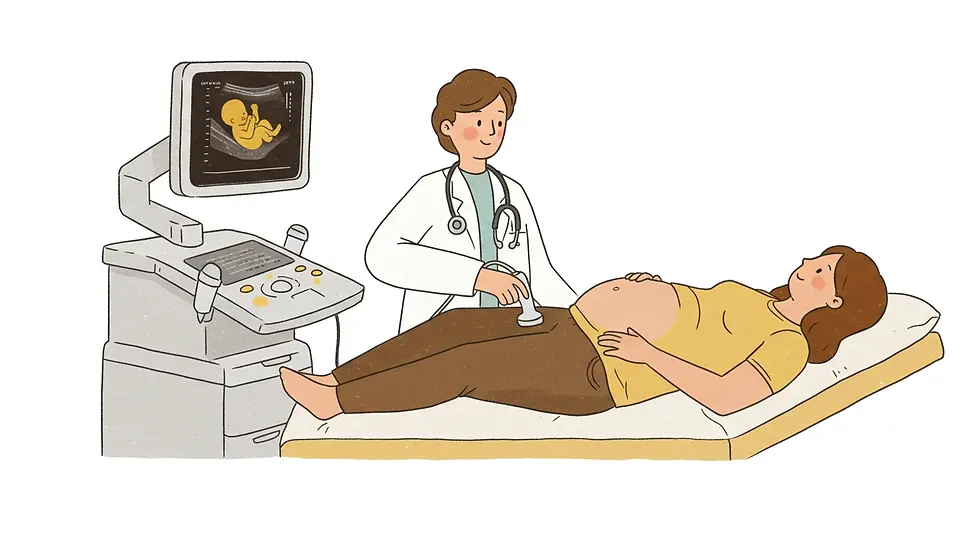
However, for the most accurate results, it’s typically best to wait until around 20 weeks,
when gender differences become more pronounced. While gender predictions can be made as early as week 16, waiting a few more weeks can provide a clearer and more definitive answer
Baby Boy
On an ultrasound, the genitalia of a baby boy may appear as a snail or turtle
shape. This image can be a clue that your baby is a boy.
Baby Girl
For a baby girl, the ultrasound may show three distinct lines (the outer edges of the vulva). These lines are indicative of a baby girl.