Week 28
Hi,
.
At 28 weeks, a beautiful connection begins.
Your baby’s brain is growing fast, and they’re starting to recognize your voice and presence.
Let’s see what this special week brings
_edited.png)
14.8
inches long
35.45
ounces
This week, your baby is about the size of an eggplant!
Just like the smooth and sturdy shape of an eggplant, your baby is maturing quickly.
The gentle flutters and kicks you feel in your belly may now be stronger and more regular.
Your Baby's
Development
At 28 weeks, your baby now has a fully formed body with all major systems in place and working
But there’s still so much more growing and developing to do. Here’s what’s happening this week

Reflexes
Your baby now has developed reflexes like sucking, moving limbs, breathing, coughing, and even hiccupping

Lungs
The lungs are maturing quickly and preparing to support life outside the womb—they're now much stronger than before

Skin
Protective layers like vernix and lanugo are starting to fade
Fat is accumulating under the skin (about 2–3%), making it smoother and reducing wrinkles
.webp)
Brain
The brain is growing rapidly with more defined folds, laying the foundation for future cognitive abilities

Heart
Heart rate is about 140 beats per minute, nearly twice as fast as yours

Endocrine System
Hormone production increases, especially androgens and estrogens that promote future milk production, now made by the baby’s adrenal glands

REM Sleep
Your baby is now spending more time in REM sleep and may even be dreaming, leading to increased body movement

Eyes
The eyes and lashes continue to develop, and tear production may begin soon

Hair
Your baby may be born bald, with fine hair, or with a full head of hair. Fun fact—some research suggests a link between mom’s heartburn and baby’s hair growth

Muscle Development
Muscles are getting stronger, giving your baby a more filled-out appearance
.webp)
Placenta
The placenta continues to grow, increasing blood flow to support your baby’s rapid development
Your Baby’s Position and Growth
.webp)
Fundal height measures the distance from your pubic bone to the top of your uterus and is routinely checked by your doctor.
Around this week, it typically measures between 26 and 30 cm.
However, if your baby is lying sideways or in a breech position, measurements may vary slightly or appear less accurate.
Track Your Baby’s Movements

Pick a time of day
Choose a time when your baby is usually most active to begin counting movements
Count to ten kicks
Use a timer if needed. It may take 1 to 2 hours for your baby to reach 10 distinct movements
Monitor consistently
Track the frequency and pattern of movements over several days
Watch for changes
If you notice a significant decrease in activity, contact your doctor right away
Paying attention to your baby’s movements provides valuable insight into their well-being
Your baby’s movements are a powerful sign of healthy development.
Each little kick is a beautiful reminder that your tiny miracle is getting ready for the world.
Symptoms
you may experience

Hemorrhoids
These swollen veins around the rectum are caused by increased pressure and constipation. Staying hydrated, eating fiber-rich foods, and avoiding long periods of sitting can help manage discomfort.
Swollen or bleeding gums
Hormonal changes can make gums more sensitive and prone to inflammation or bleeding. Maintain good oral hygiene and visit your dentist regularly.
Nosebleeds
Increased blood volume and hormonal shifts may cause nasal blood vessels to become more fragile. Using a humidifier and applying saline nasal spray can provide relief.
Headaches
These may result from hormonal changes, dehydration, poor sleep, or stress. Rest, hydration, and relaxation techniques often help. Consult your doctor if headaches become severe or persistent.
Hot flashes
Hormonal fluctuations can cause sudden waves of heat, similar to those in menopause. Dressing in layers and keeping your environment cool can ease this symptom.
Swollen hands or feet
Fluid retention (edema) is common as your body prepares for birth. Elevating your feet, drinking plenty of water, and gentle movement can reduce swelling.
If you notice anything unusual beyond these symptoms, be sure to speak with your doctor.
Healthy Nutrition
for You and Your Baby

Hydration Needs
Aim for around 5 liters of fluids daily, mostly water. Staying well-hydrated helps prevent constipation, hemorrhoids, and urinary tract infections, while also supporting nutrient delivery to your baby.
Calcium and Vitamin D
Calcium supports the development of your baby’s bones and muscles. Good sources include dairy, almonds, sesame seeds, and leafy greens. Vitamin D helps your body absorb calcium more effectively—found in eggs, fortified milk, and fish.
Iron
Your iron needs increase during this trimester. Iron-rich foods like spinach, beef, tofu, and fortified cereals support blood production. Eating them with vitamin C (like orange juice) improves absorption.
Healthy Snacks
Choose snacks that are both nutritious and filling, such as fresh fruit, nuts, steamed buns, salads, sandwiches, or soups. These help maintain energy and curb cravings between meals.
Whole Grains
Whole grains like brown rice and multigrain bread provide lasting energy and fiber. But too much can limit mineral absorption, so eat in moderation.
Limit Junk Food and Caffeine
Craving sweets or processed snacks is normal—try healthier options like fruit or low-sugar treats. Reduce caffeine to avoid triggering heartburn and restlessness.
Cooking Methods
Use steaming or light sautéing instead of frying. Avoid overcooking, and choose freshly prepared meals over reheated ones to retain nutrients.
At 28 weeks, your nutrition needs more attention than ever to support both you and your growing baby.
Here are some key dietary tips for this stage

If you notice new symptoms or feel concerned about anything
Don’t hesitate to reach out to your doctor.
Whats Happening
to Your Body?

Constipation and Bloating
Pressure on your colon may slow digestion
Tip: Eat fiber-rich foods and stay well hydrated

Hiccup-like Movements
Your baby’s hiccups may feel like gentle jolts or tickling sensations—this is completely normal

Shortness of Breath
The growing uterus can press against your lungs and diaphragm
Tip: Sit upright and try slow breathing exercises to ease discomfort

Aches and Pains
You might feel pain in your back or legs
Tip: Gentle yoga, swimming, or a maternity support belt (with your doctor’s approval) can help
Braxton Hicks Contractions
These "practice" contractions may become more frequent. If they become regular, consult your doctor

Sleep Difficulties
Falling asleep may become harder due to hormonal shifts and physical discomfort
Tip: Take a warm shower before bed and use supportive pillows while lying on your side

Leaking Colostrum
Your breasts may release a yellowish fluid—your baby’s first nourishment. This is completely normal

Uterus Shifting Position
As your uterus moves above your belly button, it can cause heartburn
Restless Leg Syndrome (RLS)
A feeling of discomfort in your legs may occur
Tip: Massage, stretching, and reducing caffeine can provide relief
.webp)
Stretch Marks and Itchy Skin
Stretching skin around your belly may cause itching and stretch marks
Tip: Use moisturizers or natural oils to soothe your skin
Sciatic Nerve Pain
As your baby shifts, pressure on the sciatic nerve may cause sharp or shooting pain
Tip: Warm compresses, light movement, or prenatal massage can help
As you enter the third trimester, you may experience a variety of physical, emotional, and mental changes.
Here are some common symptoms this week and helpful tips to manage them:
Whats Happening
to Your Emotions?

Mood Swings Are Common
It’s normal to feel joyful one moment and overwhelmed the next.
.webp)
Worries About
Concerns about birth or parenting may rise
Don’t hesitate to talk to your doctor or loved ones.
You're not alone—every feeling is valid, and support is always there.
Quick note!
Babies born at 28 weeks now have an 80–90% chance of survival with modern medical support.
Your baby is getting stronger and more ready for life every single day.
Feeling each movement and witnessing this growth is a truly magical part of the journey.
Your Growing Belly and Fundal Height
By this week of pregnancy, your belly has become noticeably rounder and continues to grow. Your baby is now strong enough that you may even feel kicks reaching all the way up to your ribs.
Important note!
These appointments and tests are essential for keeping you and your baby healthy.
Keep up with all scheduled visits and follow your doctor’s advice. Take good care of yourself and listen to your body’s needs—you’re doing an amazing job.
Quick Tip!
The care and understanding you show now will make the birth and postpartum period more peaceful and connected.
As you walk this path with love and partnership, you’re already building a warm and strong foundation for your baby’s first home.
Remember, the greatest support is love and presence.
When Should
You Call
Doctor?

Dizziness
If you notice anything unusual beyond these symptoms, be sure to speak with your doctor.
Severe Headache
Could be a sign of preeclampsia, especially if accompanied by vision changes.
High Fever
Might indicate an infection that could affect both you and your baby.
Abdominal or Pelvic Pain
Can be linked to preterm labor, placental issues, or other complications.
Uncontrolled Nosebleeds
May suggest high blood pressure or clotting issues during pregnancy.
Persistent Leg Cramps
Could indicate circulation problems or mineral imbalances.
Painful or Burning Urination
Often a sign of a urinary tract infection, which can lead to more serious issues if untreated.
Vaginal bleeding
Could signal a miscarriage, placenta previa, or preterm labor
If you notice anything unusual beyond these symptoms, be sure to speak with your doctor.
At 24 weeks, premature babies have a one in two chance of survival with proper hospital care and access to a well-equipped Neonatal Intensive Care Unit (NICU). This highlights the importance of being prepared for early delivery and having access to the necessary medical support.
Starting this week until week 36, your doctor will likely schedule visits every two weeks
Weekly Appointments After Week 36
As you approach the final stretch of pregnancy, your visits will become weekly1. HIV and Syphilis Blood Tests
These tests help detect potential infections early for the safety of both you and your baby2. Chlamydia and Gonorrhea Screenings
Important for identifying and treating bacterial infections3. Glucose Screening and Tolerance Tests
-
If your initial glucose screening shows high levels, a three-hour glucose tolerance test will be performed
-
These tests help diagnose and manage gestational diabetes
-
If glucose levels are high, your doctor may recommend dietary changes
-
-
If your blood type is Rh-negative and your baby is Rh-positive, you'll receive a Rhogam (Rh immune globulin) injection
-
This prevents your body from developing antibodies against your baby’s blood
-
If your baby is confirmed to be Rh-positive after birth, a second dose will be given
-
-
The Tdap vaccine (Tetanus, Diphtheria, and Pertussis) is typically given in the third trimester
-
Even if you’ve had it before, a dose during pregnancy helps pass protection to your baby
-
-
Your baby is now highly active—moving limbs, turning their face, and blinking in response to light
-
Ultrasounds will check your baby’s weight and monitor blood flow in the placenta
-
If your doctor diagnoses gestational diabetes or another condition, it's crucial to follow all medical advice—this includes taking prescribed medications, maintaining a healthy diet, and incorporating recommended lifestyle changes.
Your OB-GYN Visit This Week
You’ve officially entered the third trimester! From this week on, your doctor visits will become more frequent, as this phase is critical for both your and your baby’s health. Here’s what you can expect
Is There
a Risk Of
Miscarriage?
Structural
abnormalities
Uncontrolled
maternal diabetes
or exposure to
teratogens
Infections
Sexually
transmitted
diseases
Hormonal
abnormalities
Unbalanced
lifestyle
The risk of miscarriage at 19 weeks gestation is very rare, but the possibility of pregnancy loss in the second trimester is not completely eliminated
-Approximately 1-5% of pregnancy losses occur between 13 and 19 weeks of pregnancy.
- Of these losses, 24% are due to chromosomal abnormalities in the fetus.
If you notice any of the following symptoms, you should contact your doctor immediately
-
Severe abdominal cramps
Intense pain in the lower abdomen or back. -
Bleeding
Bleeding can be light spotting or more intense
Signs of Miscarriage
at 18 Weeks
To reduce the risk of miscarriage
-
Adopting a healthy lifestyle
-
Detecting possible complications with early pregnancy tests
-
Regularly attending the treatments and prenatal check-ups recommended by your doctor
-
Always consult your doctor before using herbal supplements
Sharing every change you experience this week, big or small, with your doctor will ease your worries. Remember, with healthy living habits and guidance from your doctor, you can be one step closer to safely embracing your little miracle.
How to
Prevent Miscarriage?

Unsafe
Plants
in Pregnancy
Saw palm
Dong Quai
Goldenseal
Ephedra
Passion flower
Pay D'Arco
Yohimbe
Black gentian
Roman chamomile
Blue gentian
Dandelion
Chamomile
Stinging nettle
Aloe
Mint leaf
Ginseng
Fireweed
Cassia
Kava Kava
Evening flower
These plants can cause uterine contractions that can lead to miscarriage, premature birth or damage fetal development

Safe
Plants
in Pregnancy
Red raspberry leaf
Peppermint leaf
Ginger root
Oats and oat straw
Slippery elm bark
Each herb works differently , your doctor will know what’s best for you. When using herbs, eat well and drink plenty of water. Always choose what’s safest for you and your baby.
With your doctor’s approval, you may consume the following herbs in moderation
You’ll likely feel lots of kicks and jabs. If you notice a significant decrease in movement, contact your doctor right away.
An itchy belly is common as your skin stretches. If itching becomes intense, it could be a sign of obstetric cholestasis, a rare liver condition—check with your doctor promptly.
As your center of gravity shifts, you may feel off-balance. Wear flat, supportive shoes and walk carefully to reduce the risk of falls.
Consider classes on labor, breastfeeding, and newborn care. Be sure your instructor is a certified birth educator.
Start researching and selecting your baby’s doctor. They’ll guide you on newborn care, feeding, and health essentials.
Begin preparing about three months before your due date. Ask your provider about safe exercises to support a smoother delivery.
Take peaceful walks, join dinners with loved ones, or write down your thoughts. Stay connected to what makes you happy and calm.
A maternity photoshoot is a beautiful way to preserve this special phase of your life.
Have a partner or family member close by, especially in case of fatigue, dizziness, or emotional stress.
Drink water often, stretch your legs, and keep your ankles moving to reduce swelling. Carry your medical info and doctor’s contact with you.
Change positions frequently to encourage circulation. Avoid crossing your legs, which can restrict blood flow and cause cramps.
Tips for You

As the final weeks of pregnancy approach, the excitement of meeting your baby grows stronger.
Here are some gentle reminders to help you stay healthy and calm during this special time
Must-Have Products
for This Week!
As the due date nears, join medical appointments when possible and be part of key decisions—like choosing a hospital, birth plan, or delivery method. Listen, share your thoughts, and make choices together.
Your partner may feel anxious about labor, birth, or parenting. Be a calm, loving presence. Let her know she’s not alone and that you’re in this together.
Read books, watch videos, or talk to experienced parents. Learning together helps you feel more prepared and strengthens your connection as a team.
Do breathing exercises, light yoga, or calming routines together. Enjoy walks, quiet music, or offer gentle massages to ease stress and deepen your bond.
Take the lead on household chores, run errands, or surprise her with thoughtful gestures. Your presence and kindness help lift her spirits and create space for rest.

Tips for Partner
As the final weeks of pregnancy approach, your support becomes more meaningful than ever.
Being present—both emotionally and physically—helps your partner feel safe, calm, and ready for the big day.
Here’s how you can help during this special time

Movie Pick
of the week
Heyy Baby
Heyy Baby brings a fresh and joyful twist to a classic tale, wrapped in the vibrant charm of Indian cinema. The story follows three carefree bachelors, led by Akshay Kumar, whose lives are turned upside down when a baby is left on their doorstep. Her unexpected arrival brings chaos, laughter, and warmth into their world. As they try to track down the real father and reconnect with past loves, the film offers a heartwarming mix of humor and emotion.
Watching Heyy Baby during pregnancy is a sweet reminder of the joy, love, and beautiful mess your little miracle will bring. If you're in the mood for something colorful, funny, and full of heart, this film is the perfect pick.

Book Pick
of the week
No Bad Kids
by Janet Lansbury
Why We Recommend It for Expecting Moms
This book offers a compassionate guide to understanding toddler behavior and responding with respect and calm authority. Janet Lansbury encourages parents to move away from punishment and instead connect with their child’s feelings through empathy and gentle guidance.
Reading this during pregnancy will help you feel more prepared for your child’s emotional world as they grow. It’s a thoughtful resource for building a loving, respectful relationship with your little one—right from the start.
Name Suggestions
of the week
Elias
Elias is of Hebrew origin and means the Lord is with me. This spiritually rich name reflects a wise, strong, and just character. Elias also represents a loving and determined personality.
Nevaeh
Nevaeh is “heaven” spelled backward and carries the meaning of heaven. This name suggests that your baby will have a pure, loving, and calming presence. Nevaeh also symbolizes a spirit filled with hope and kindness.
Share Your Week with Us!
Every week of pregnancy is a new chapter, a unique experience…
How was your week? How are you feeling? Share your little joys, excitements, or questions with us!
Your experiences can inspire and support other moms-to-be on the same journey.

You are in your 7th month of pregnancy, marking the beginning of the third trimester.
A breech baby is positioned with feet or bottom facing downward instead of the head. Most babies turn head-down later in pregnancy.
Yes, it is generally safe if your pregnancy is low-risk. Choose comfortable positions and avoid pressure on the belly.
Air travel is usually safe during the second trimester (14–28 weeks), but always check with your doctor first.
A total gain of 11–16 kg is typical. Aim for no more than about 300 grams per week and monitor your progress with your doctor.
Conditions like placenta previa or placental abruption can cause bleeding. Seek immediate medical attention if it occurs.
Your baby may sleep more during the day and move more at night. Their senses like hearing, touch, and smell are still developing.
Sometimes a full bladder helps improve imaging at 28 weeks. Follow any specific instructions your doctor gives before your scan.
FAQ
Explore & Learn


I hope this blog has provided you with helpful information about pregnancy while also making your reading experience enjoyable. Remember, the details shared here are purely for awareness, entertainment, and educational purposes.
If you have any questions or concerns during this journey, don’t hesitate to consult your doctor. Wishing you a healthy and love-filled pregnancy!
SEE YOU NEXT WEEK WITH NEW AND EXCITING INSIGHTS!
For Underweight Moms-to-Be
or Those Struggling to Gain Weight
Gender Screening on Ultrasound
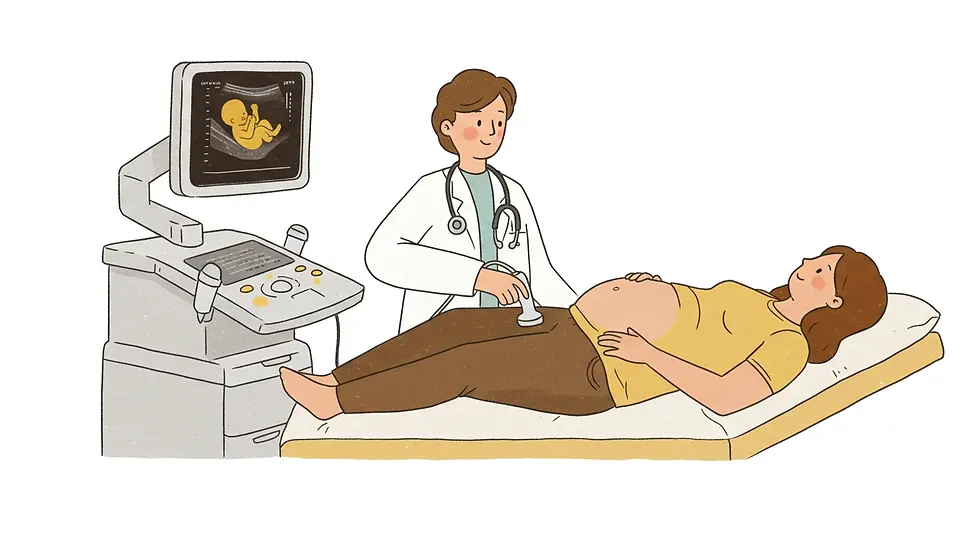
However, for the most accurate results, it’s typically best to wait until around 20 weeks,
when gender differences become more pronounced. While gender predictions can be made as early as week 16, waiting a few more weeks can provide a clearer and more definitive answer
Baby Boy
On an ultrasound, the genitalia of a baby boy may appear as a snail or turtle
shape. This image can be a clue that your baby is a boy.
Baby Girl
For a baby girl, the ultrasound may show three distinct lines (the outer edges of the vulva). These lines are indicative of a baby girl.