Week 30
Hi,
.

15.71
inches long
46.53
ounces
Your baby is now the size of a giant red beet!
It is full of life, its heart is tuned to your rhythm and it grows stronger every day.
Just like the beetroot clinging to the soil, he grows clinging to your womb, feeling your love.
Your Baby's
Development
Your little one is getting smarter, stronger, and more expressive with each passing day, growing into their own sweet personality!

Skin
Your baby’s skin becomes smoother as white fat begins to build up underneath. This fat will help regulate body temperature after birth.
.webp)
Fine Hair (Lanugo)
The soft, downy hair covering your baby’s body starts to shed. However, some babies may still have traces on their shoulders, back, or ears at birth.
.webp)
Brain
Brain tissue grows rapidly. Folds develop, and new brain cells form, supporting cognitive development.
.webp)
Bone Marrow
Fully takes over red blood cell production, a key step for a healthy circulatory system.

Nervous System
Continues to mature and begins regulating some body functions like temperature and breathing rhythm.

Lungs
Though still developing, your baby is now capable of basic breathing movements.

Eyelids
Can open and close, and your baby may now respond to changes in light.

Head
May be covered in hair. Some babies are born with thick hair, while others have very little.
%20kopyas%C4%B1.webp)
Fingers
Are fully formed, and your baby might suck their thumb at this stage.
.webp)
Ears
Fully developed and capable of detecting loud sounds and voices.
Fetal Position and Movements
.webp)
Position
Your baby may still be head-up or head-down at this stage, with enough room to move. As the due date approaches, they’ll likely start settling into the head-down birth position.
Movements
Kicks and stretches feel stronger and more defined this week. These movements are a great sign of your baby’s health and activity.
What to Expect in a 30-Week Ultrasound?

Spine and Ribs
The spine and rib cage appear clearly defined and well-developed.
Umbilical Cord
The cord is visible, actively supplying nutrients and oxygen through its blood vessels.
Skin
The skin looks smoother and less wrinkled as fat continues to accumulate.
This ultrasound is important for checking your baby’s growth, position, and amniotic fluid levels as you move closer to delivery.
Symptoms
you may experience

Weight Gain
According to the American Pregnancy Association, gaining 1 to 2 pounds per week in the third trimester is considered safe.
Heartburn
As the uterus expands, it may push stomach acids upward, causing discomfort.
Sleep Troubles
Aches, leg cramps, frequent urination, and anxious thoughts can make falling or staying asleep difficult.
Swelling (Edema)
Feet and ankles may swell due to fluid retention.
Fatigue
Your growing body and increased energy needs can make you feel more tired.
Shortness of Breath
The growing uterus can press against your diaphragm, making breathing feel harder.
Back Pain
Added weight from your baby can strain your back muscles.
Frequent Urination
More pressure on your bladder leads to more trips to the bathroom.
General Discomfort
A larger belly may limit movement and cause aches or pressure in various areas.
Foot Changes
Swelling and loosened joints may cause foot growth or pain.
Varicose Veins
Increased blood flow can lead to swollen leg veins.
Bloating and Gas
Slower digestion may result in bloating or trapped gas.
At 30 weeks pregnant, you may notice ongoing symptoms from previous weeks along with a few new ones as your body continues to prepare for birth.
Healthy Nutrition
for You and Your Baby

Hydration Needs
Aim for around 5 liters of fluids daily, mostly water. Staying well-hydrated helps prevent constipation, hemorrhoids, and urinary tract infections, while also supporting nutrient delivery to your baby.
Calcium and Vitamin D
Calcium supports the development of your baby’s bones and muscles. Good sources include dairy, almonds, sesame seeds, and leafy greens. Vitamin D helps your body absorb calcium more effectively—found in eggs, fortified milk, and fish.
Iron
Your iron needs increase during this trimester. Iron-rich foods like spinach, beef, tofu, and fortified cereals support blood production. Eating them with vitamin C (like orange juice) improves absorption.
Healthy Snacks
Choose snacks that are both nutritious and filling, such as fresh fruit, nuts, steamed buns, salads, sandwiches, or soups. These help maintain energy and curb cravings between meals.
Whole Grains
Whole grains like brown rice and multigrain bread provide lasting energy and fiber. But too much can limit mineral absorption, so eat in moderation.
Limit Junk Food and Caffeine
Craving sweets or processed snacks is normal—try healthier options like fruit or low-sugar treats. Reduce caffeine to avoid triggering heartburn and restlessness.
Cooking Methods
Use steaming or light sautéing instead of frying. Avoid overcooking, and choose freshly prepared meals over reheated ones to retain nutrients.
At 28 weeks, your nutrition needs more attention than ever to support both you and your growing baby.
Here are some key dietary tips for this stage

If you notice new symptoms or feel concerned about anything
Don’t hesitate to reach out to your doctor.
Whats Happening
to Your Body?
.webp)
Belly
You may notice your belly is larger and more pronounced. In twin or multiple pregnancies, this change can be even more noticeable.
.webp)
Enlarged Breasts
Your breasts continue to grow as they prepare for milk production. The nipples and areolas may darken in color.
.webp)
Stretch Marks & Skin Lines
Stretch marks may appear on the belly, breasts, or hips. The linea nigra, a dark vertical line on your abdomen, may also become more visible.

Foot Shape Changes
Pregnancy hormones loosen joints, which can cause swelling and slight changes in foot shape or size.
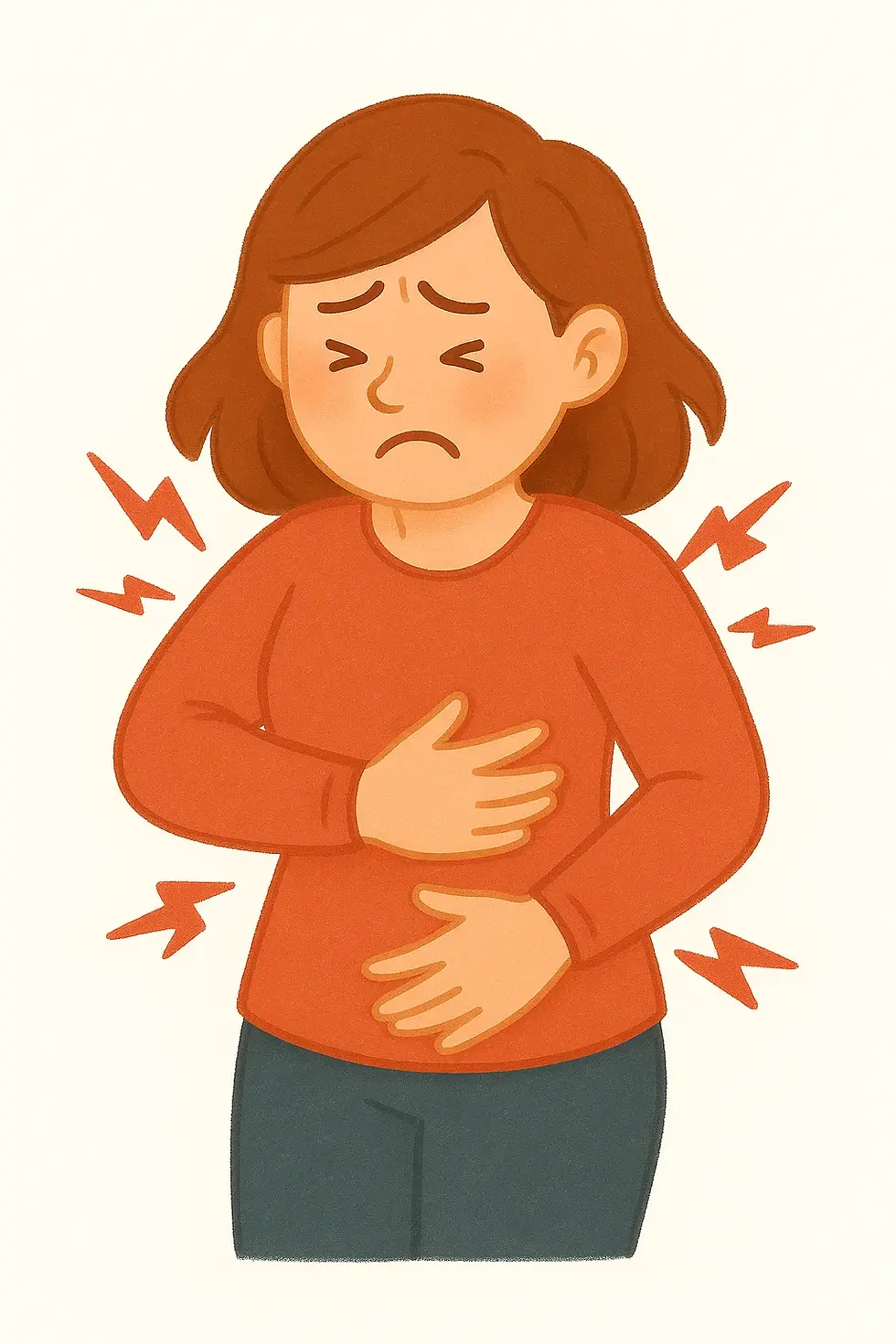
Skin Sensitivity & Itching
As your skin stretches, you may feel itchiness or tightness. Moisturizers can help relieve discomfort.
As you enter week 30, your body continues to adapt beautifully in preparation for birth.
Whats Happening
to Your Emotions?
.webp)
Anxiety and Stress
As the due date approaches, it’s common to worry more about labor, delivery, and your baby’s health.

Mood Swings
Hormonal shifts can lead to sudden changes in mood, from joy to irritability or sadness.

Vivid Dreams
Unusually vivid or unsettling dreams are common and may be your mind’s way of processing stress and hormonal changes.
Your heart and mind are getting ready too emotions may run high, and that’s completely normal.
Quick note!
Regularly tracking fetal movements is important. If you notice a significant decrease, don’t hesitate to contact your doctor.
Your Growing Belly and Fundal Height
By this week of pregnancy, your belly has become noticeably rounder and continues to grow. Your baby is now strong enough that you may even feel kicks reaching all the way up to your ribs.
Important note!
These appointments and tests are essential for keeping you and your baby healthy.
Keep up with all scheduled visits and follow your doctor’s advice. Take good care of yourself and listen to your body’s needs—you’re doing an amazing job.
Quick Tip!
Ease her discomfort with a gentle neck or foot massage, and help plan for postpartum needs. The most valuable support is your steady presence, remind her she’s not in this
When Should
You Call
Doctor?

Pelvic Pain
Any sharp or cramping pain in the pelvic area.
Fever
A temperature of 100.4°F (38°C) or higher.
Persistent Headache
Especially if it doesn’t go away after taking acetaminophen.
Frequent Nosebleeds
Especially if they become hard to control.
Painful Urination
A burning or stinging sensation while peeing.
Severe Leg Cramps
Cramps that don’t ease with stretching or hydration.
Dizziness
Sudden or intense lightheadedness.
Rapid Weight Gain
Gaining more than 2 kg (about 4.4 lbs) in a week.
Bleeding or Spotting
Any unexpected vaginal bleeding.
No Fetal Movement
If you don’t feel your baby move as usual.
These may be signs of a complication and should be evaluated promptly.
If you’re feeling well, continue attending your regular prenatal visits.
At 24 weeks, premature babies have a one in two chance of survival with proper hospital care and access to a well-equipped Neonatal Intensive Care Unit (NICU). This highlights the importance of being prepared for early delivery and having access to the necessary medical support.
Your doctor may measure the distance from your pubic bone to the top of your uterus to monitor your baby’s growth.
These are key indicators of your overall health and help detect potential complications like preeclampsia.
A urine sample checks for sugar and protein levels, which can signal gestational diabetes or high blood pressure issues.
In cases of multiple pregnancies or high-risk factors, an ultrasound may be performed to assess fetal development and amniotic fluid levels.
If you’re in a region where STIs are more common, a syphilis screening is recommended between weeks 28 and 32.
For twin or high-risk pregnancies, this combines ultrasound and non-stress testing to evaluate fetal well-being.
If not done earlier, this test may be scheduled now to screen for gestational diabetes.
Take all prescribed vitamins or medications regularly as advised by your healthcare provider.
Continue eating a balanced diet, getting light exercise, and ensuring plenty of rest to support a healthy pregnancy.
Your OB-GYN Visit This Week
As you enter week 30, your prenatal checkups become even more important.
Here’s what to expect at your doctor’s visit and how to stay on track for a healthy pregnancy.
Is There
a Risk Of
Miscarriage?
Structural
abnormalities
Uncontrolled
maternal diabetes
or exposure to
teratogens
Infections
Sexually
transmitted
diseases
Hormonal
abnormalities
Unbalanced
lifestyle
The risk of miscarriage at 19 weeks gestation is very rare, but the possibility of pregnancy loss in the second trimester is not completely eliminated
-Approximately 1-5% of pregnancy losses occur between 13 and 19 weeks of pregnancy.
- Of these losses, 24% are due to chromosomal abnormalities in the fetus.
If you notice any of the following symptoms, you should contact your doctor immediately
-
Severe abdominal cramps
Intense pain in the lower abdomen or back. -
Bleeding
Bleeding can be light spotting or more intense
Signs of Miscarriage
at 18 Weeks
To reduce the risk of miscarriage
-
Adopting a healthy lifestyle
-
Detecting possible complications with early pregnancy tests
-
Regularly attending the treatments and prenatal check-ups recommended by your doctor
-
Always consult your doctor before using herbal supplements
Sharing every change you experience this week, big or small, with your doctor will ease your worries. Remember, with healthy living habits and guidance from your doctor, you can be one step closer to safely embracing your little miracle.
How to
Prevent Miscarriage?

Unsafe
Plants
in Pregnancy
Saw palm
Dong Quai
Goldenseal
Ephedra
Passion flower
Pay D'Arco
Yohimbe
Black gentian
Roman chamomile
Blue gentian
Dandelion
Chamomile
Stinging nettle
Aloe
Mint leaf
Ginseng
Fireweed
Cassia
Kava Kava
Evening flower
These plants can cause uterine contractions that can lead to miscarriage, premature birth or damage fetal development

Safe
Plants
in Pregnancy
Red raspberry leaf
Peppermint leaf
Ginger root
Oats and oat straw
Slippery elm bark
Each herb works differently , your doctor will know what’s best for you. When using herbs, eat well and drink plenty of water. Always choose what’s safest for you and your baby.
With your doctor’s approval, you may consume the following herbs in moderation
Avoid standing for too long or lying flat on your back. Lying on your left side can help you feel your baby’s movements more clearly.
Drink plenty of water and make sure you’re getting enough rest.
Add about 200 extra calories per day. Include folic acid, vitamin C, iron, and calcium supplements. Boost your diet with carrots, nuts, yogurt, fruits, vegetables, whole grain bread, and fortified cereals.
Avoid spicy and fried foods to help prevent heartburn.
Do Kegel exercises to strengthen pelvic floor muscles. Gentle walks, pregnancy yoga, and light Pilates are great options.
Wear comfortable clothes and supportive shoes to stay at ease throughout the day.
-
Learn how long it takes to reach your hospital
-
Start packing your hospital bag
-
Discuss your birth plan with your doctor
-
Learn about birth positions and pain relief methods
-
Tips for You

As you move through week 30, small daily habits can make a big difference in your comfort and well-being. Here are some helpful tips to support your body, mind, and birth preparations.
Must-Have Products
for This Week!
Make the home feel calm, cozy, and cheerful to help your partner relax.
Share responsibilities to ease your partner’s physical load and stress.
Join her for checkups and stay involved in important updates and decisions.
Go for walks or join in on light exercises to support her physically and emotionally.
A short, relaxing trip can lift her spirits and strengthen your bond.
Help pick out essentials for birth and postpartum care—it’s a great way to connect.
Join in the fun of finding a meaningful name you both love.

Tips for Partner
Expecting dads can make a big difference by offering emotional and practical support during pregnancy. Here are a few meaningful ways to stay involved and connected

Movie Pick
of the week
Mamma Mia: Here We Go Again
Why We Recommend It for Expecting Moms
With its joyful music, sun-soaked Greek scenery, and heartfelt story, Mamma Mia: Here We Go Again is the perfect mix of warmth and fun. As Sophie (Amanda Seyfried) prepares to reopen her mother’s hotel and navigate her own pregnancy, she discovers the strength of family bonds across generations.
Watching this film while expecting can make you feel even more connected to your growing family and the journey ahead. It’s uplifting, emotional, and filled with iconic ABBA songs—an ideal way to take a cheerful break and enjoy a story full of love and legacy.

Book Pick
of the week
Peaceful Parent, Happy Kids
Laura Markham
Why We Recommend It for Expecting Moms
This book is a gentle, insightful guide to building a deep emotional connection with your child. Laura Markham encourages parenting through empathy, understanding, and respectful communication—stepping away from punishments and power struggles.
Reading it during pregnancy helps you approach motherhood with calm, clarity, and confidence. It offers tools for regulating your own emotions, fostering cooperation, and creating a loving, peaceful home for your little one. A must-read for a mindful parenting start.
Name Suggestions
of the week
Jordan
Jordan is of Hebrew origin and means to descend, often associated with the Jordan River.
It suggests a calm, grounded, and responsible nature. Jordan also embodies patience, wisdom, and a deep sense of purpose.
Aaliyah
Aaliyah is of Arabic origin and means exalted or high. It reflects a child destined to grow into a confident, respected, and graceful individual.
The name also symbolizes leadership, inner strength, and elegance.
Share Your Week with Us!
Every week of pregnancy is a new chapter, a unique experience…
How was your week? How are you feeling? Share your little joys, excitements, or questions with us!
Your experiences can inspire and support other moms-to-be on the same journey.

An active baby is usually a healthy baby. Movement helps develop bones and joints. There’s generally no need to worry—just keep up a healthy lifestyle.
Babies born between 28 and 32 weeks have a survival rate of 80–90%. They usually require care in a NICU to support their early development.
Your baby is developing reflexes and might be seen sucking their thumb. Their eyes are mostly closed, but you’ll likely feel stronger kicks and nudges.
-
Menstrual-like cramps
-
Pelvic pressure
-
Vaginal discharge (with or without blood)
-
Regular or irregular contractions
-
Lower back pain
-
Babies sleep about 90–95% of the day. They often sleep more when the mother is moving, as the motion soothes them.
An ultrasound or a physical exam by your doctor can determine your baby’s position. Keep in mind, babies can still change positions after 30 weeks.
FAQ
Explore & Learn


I hope this blog has provided you with helpful information about pregnancy while also making your reading experience enjoyable. Remember, the details shared here are purely for awareness, entertainment, and educational purposes.
If you have any questions or concerns during this journey, don’t hesitate to consult your doctor. Wishing you a healthy and love-filled pregnancy!
SEE YOU NEXT WEEK WITH NEW AND EXCITING INSIGHTS!
For Underweight Moms-to-Be
or Those Struggling to Gain Weight
Gender Screening on Ultrasound
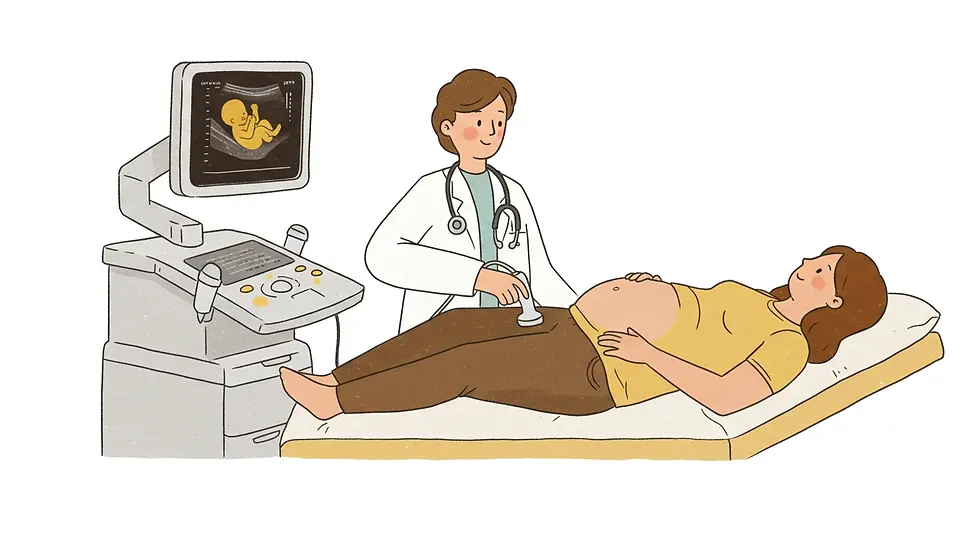
However, for the most accurate results, it’s typically best to wait until around 20 weeks,
when gender differences become more pronounced. While gender predictions can be made as early as week 16, waiting a few more weeks can provide a clearer and more definitive answer
Baby Boy
On an ultrasound, the genitalia of a baby boy may appear as a snail or turtle
shape. This image can be a clue that your baby is a boy.
Baby Girl
For a baby girl, the ultrasound may show three distinct lines (the outer edges of the vulva). These lines are indicative of a baby girl.