Week 32
Hi,
.
Your baby might start settling into birth position.
Let's take a closer look at week 32
_edited.png)
16.69
inches long
60
ounces
This week, your baby is about the size of a fluffy cotton candy!
Just like cotton candy, light yet full, your baby’s movements are becoming more defined and rhythmic.
Every gentle kick and wiggle is a glimpse into the joyful world inside.
Your Baby's
Development
This week, your baby is maturing rapidly and preparing for birth.
Here's a look at the key developments during week 32

Skin
Becoming softer and smoother with a protective coating called vernix caseosa forming.

Eyes
Can now open and close, and respond to light.

Ears
Fully developed—your baby can recognize familiar voices and sounds.
%20kopyas%C4%B1.webp)
Fingers
Fully separated and may be seen sucking the thumb.

Taste Buds
Developed and able to distinguish between sweet and sour.

Lungs
Nearly mature and practicing breathing by inhaling and exhaling amniotic fluid.

Genitals
-
In boys, the testes have descended into the scrotum.
-
In girls, the clitoris is developed and partially covered by the labia.

Bones
Most bones are hardening, except for the skull, which remains soft for delivery.
.webp)
Lanugo
The fine body hair is starting to disappear.

Hair
Growing thicker.
.webp)
Nails
Fingernails and toenails now reach the tips of the fingers and toes.
Fetal Position
_edited.png)
By now, your baby is typically shifting into the head-down position, which is ideal for a smooth passage through the birth canal.
If your baby is still in a breech position (bottom-down), don’t worry there’s still time to turn before delivery.
Your body continues to produce enough amniotic fluid to support your baby’s movements and repositioning.
What to Expect in a 32-Week Ultrasound?

Fetal Growth and Position
Helps confirm if your baby is head-down (ideal for birth).
Placenta Health
Evaluates the structure and function of the placenta.
Growth Projections
Tracks the baby’s growth curve and development.
Detection of Potential Issues
Early signs of complications can be identified and managed proactively.
An ultrasound at this stage can provide valuable insights, including

Safe Sex During the 32nd Week of Pregnancy

Choose Comfortable Positions
Opt for positions that avoid putting pressure on your belly and help you feel at ease.
Consult Your Doctor
If you have a history of miscarriage, preterm labor, placenta previa, or other complications, your doctor may advise limiting or avoiding sex.
Prioritize Comfort
As your belly grows and hormones shift, you might feel some discomfort—be sure to communicate openly with your partner.
If your pregnancy is progressing healthily, sex during this stage is generally considered safe.
Still, there are a few important points to keep in mind
Symptoms
you may experience

Shortness of Breath
The growing uterus presses against the diaphragm, making it harder to breathe deeply.
Heartburn
As the uterus pushes up on the stomach, stomach acid may rise into the esophagus.
Bloating & Constipation
Increased pressure on the digestive system can slow digestion.
Braxton Hicks Contractions
Irregular, mild contractions help prepare your body for labor.
Weight Gain
A weekly increase of 0.7–1 lb (300–500 g) is normal at this stage.
Leg Cramps
Common at night and can be relieved with gentle stretching.
Varicose Veins & Hemorrhoids
Caused by increased blood volume and pressure from the uterus.
Itchy Belly
Due to stretching skin; applying moisturizer can soothe the irritation.
Increased Vaginal Discharge
Helps protect the birth canal from infections.
Colostrum Leakage
Breasts may begin leaking early milk.
Back Pain
The growing belly strains your lower back muscles.
As your pregnancy progresses, your body continues to change in noticeable ways. Here are the common symptoms you might feel during week 31

Healthy Nutrition
for You and Your Baby

Healthy Drinks
Choose unsweetened options like grape juice, apple juice, almond milk, and carrot juice.
Iron-Rich Foods
Chicken, peas, fish, milk, beans, and fruits help support your baby’s growth and development.
Calcium Sources
Dairy and seafood help strengthen bones.
Omega-3 Fatty Acids
Fatty fish like salmon boost brain and nervous system development.
Light Meals
Try baked spinach and cheese rolls, grilled chicken, and steamed veggies for lighter, nutritious options.
Eating well during pregnancy supports not only your health but also your baby’s optimal development.

Foods to Avoid
for You and Your Baby

Soda and Alcohol
Avoid all carbonated and alcoholic drinks
Tea and Coffee
Limit caffeine intake to a minimum
Excess Carbohydrates
Overeating carbs can lead to unnecessary weight gain.
Fatty Foods
High-fat foods can make it harder to maintain a healthy pregnancy weight.
As your baby grows rapidly, it's more important than ever to avoid foods that may pose a risk to your health or your baby’s development.
Here's what to steer clear of this week.

If anything feels unusual, don’t hesitate to contact your doctor.
Don’t hesitate to reach out to your doctor.
Whats Happening
to Your Body?
.webp)
Baby Bump
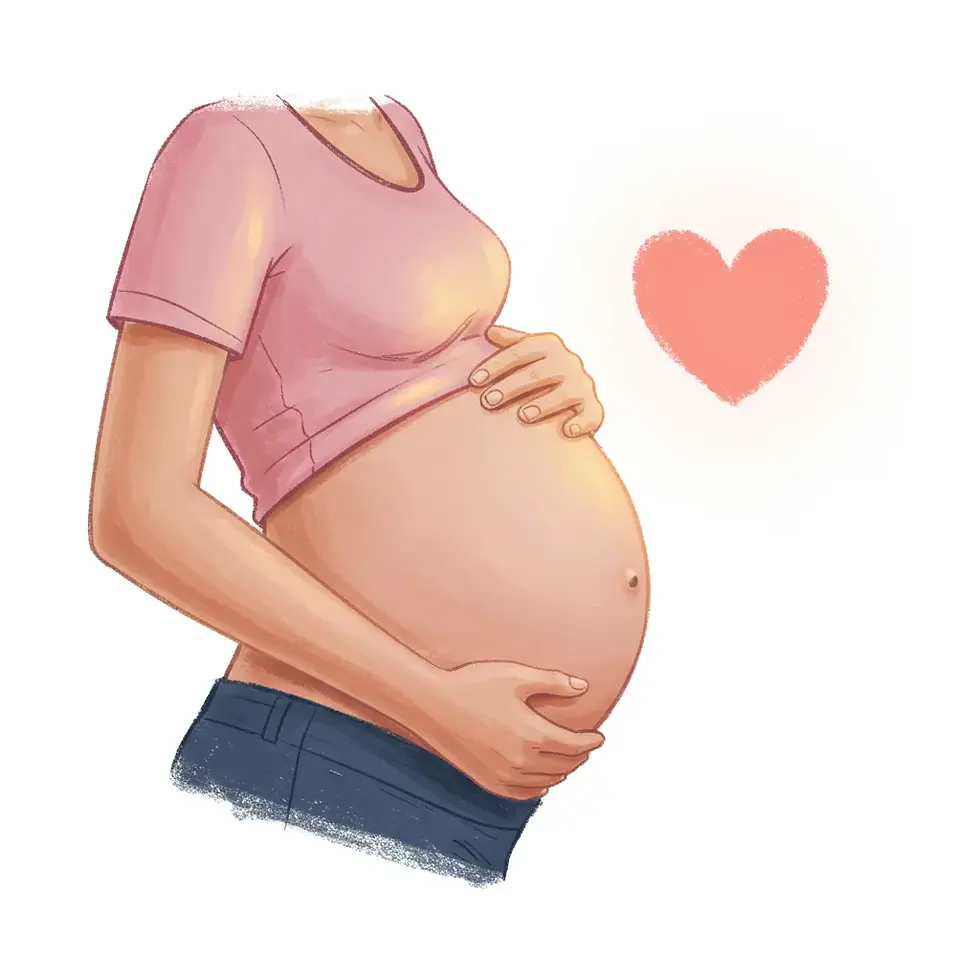
The uterus extends about 5 inches above your belly button, possibly making breathing harder. As baby settles lower in the pelvis, this may ease slightly.
.webp)
Darkened Nipples & Areolas
These areas become darker, more prominent, and prepare for breastfeeding.
.webp)
Stretch Marks
More visible as the skin stretches to accommodate the growing baby.
.webp)
Visible Veins
Increased blood flow makes veins more noticeable around the breasts and thighs.
These changes are a natural part of your body’s preparation for birth.
Be sure to attend your prenatal appointments regularly to monitor both your baby’s health and your own
Whats Happening
to Your Emotions?
.webp)
Anxiety & Stress
With the due date approaching, concerns about labor and parenting may rise.

Sleep Problems
Discomfort, frequent urination, and vivid dreams may disturb rest.

Reduced Libido
Physical changes and hormonal shifts can affect sexual desire.
Your heart may flutter with joy one moment and fill with questions the next.
These emotional waves are all part of the journey to motherhood.
Quick note!
Regularly tracking fetal movements is important. If you notice a significant decrease, don’t hesitate to contact your doctor.
Your Growing Belly and Fundal Height
By this week of pregnancy, your belly has become noticeably rounder and continues to grow. Your baby is now strong enough that you may even feel kicks reaching all the way up to your ribs.
Quick note!
If your baby hasn’t turned head-down yet, your doctor may suggest specific exercises or positions to encourage movement.
Keeping up with regular checkups ensures both you and your baby stay healthy and prepared for the weeks ahead
Quick Tip!
Ease her discomfort with a gentle neck or foot massage, and help plan for postpartum needs. The most valuable support is your steady presence, remind her she’s not in this
When Should
You Call
Doctor?

Contractions
Call your doctor if they become regular or painful.
Vaginal Bleeding
Any bleeding beyond light spotting should be checked.
Fluid Leakage
Could indicate amniotic fluid – a sign of early labor.
High Fever
A fever above 100.4°F (38°C) may signal infection.
Severe Headache
Persistent headaches might be a sign of high blood pressure.
Abdominal or Pelvic Pain
Sharp, ongoing pain should not be ignored.
Burning During Urination
Can be a sign of a urinary tract infection.
Blurred Vision
Sudden vision changes may require urgent care.
During pregnancy, it's essential to reach out to your doctor right away if you experience any of the following
At 24 weeks, premature babies have a one in two chance of survival with proper hospital care and access to a well-equipped Neonatal Intensive Care Unit (NICU). This highlights the importance of being prepared for early delivery and having access to the necessary medical support.
To screen for signs of preeclampsia or other complications.
To ensure your weight gain is within a healthy range.
To check for unusual swelling in the hands, feet, or face.
To evaluate the baby’s growth and the size of your uterus.
To assess your baby’s well-being.
Your OB-GYN Visit This Week
At your 32-week prenatal visit, your doctor will typically monitor the following
Is There
a Risk Of
Miscarriage?
Structural
abnormalities
Uncontrolled
maternal diabetes
or exposure to
teratogens
Infections
Sexually
transmitted
diseases
Hormonal
abnormalities
Unbalanced
lifestyle
The risk of miscarriage at 19 weeks gestation is very rare, but the possibility of pregnancy loss in the second trimester is not completely eliminated
-Approximately 1-5% of pregnancy losses occur between 13 and 19 weeks of pregnancy.
- Of these losses, 24% are due to chromosomal abnormalities in the fetus.
If you notice any of the following symptoms, you should contact your doctor immediately
-
Severe abdominal cramps
Intense pain in the lower abdomen or back. -
Bleeding
Bleeding can be light spotting or more intense
Signs of Miscarriage
at 18 Weeks
To reduce the risk of miscarriage
-
Adopting a healthy lifestyle
-
Detecting possible complications with early pregnancy tests
-
Regularly attending the treatments and prenatal check-ups recommended by your doctor
-
Always consult your doctor before using herbal supplements
Sharing every change you experience this week, big or small, with your doctor will ease your worries. Remember, with healthy living habits and guidance from your doctor, you can be one step closer to safely embracing your little miracle.
How to
Prevent Miscarriage?

Unsafe
Plants
in Pregnancy
Saw palm
Dong Quai
Goldenseal
Ephedra
Passion flower
Pay D'Arco
Yohimbe
Black gentian
Roman chamomile
Blue gentian
Dandelion
Chamomile
Stinging nettle
Aloe
Mint leaf
Ginseng
Fireweed
Cassia
Kava Kava
Evening flower
These plants can cause uterine contractions that can lead to miscarriage, premature birth or damage fetal development
Safe
Plants
in Pregnancy
Red raspberry leaf
Peppermint leaf
Ginger root
Oats and oat straw
Slippery elm bark
Each herb works differently , your doctor will know what’s best for you. When using herbs, eat well and drink plenty of water. Always choose what’s safest for you and your baby.
With your doctor’s approval, you may consume the following herbs in moderation
Drinking plenty of water keeps your body hydrated, reduces cramps, and supports oxygen flow to the baby.
Avoid standing for long periods. Take naps and sleep well to maintain your energy levels.
Support your back, belly, and legs with pillows or cushions while sitting or sleeping.
Lying on your left side or adjusting your sitting position helps with circulation and comfort.
Gentle walks, prenatal yoga, or stretching can relieve tension and ease mild contractions.
Warm water soothes muscles, helps with stress, and calms the body.
A warm glass of milk or herbal tea can help you relax, especially before bedtime.
Keeping your feet up while sitting can reduce swelling and improve blood flow.
Don’t miss any checkups—regular visits ensure your and your baby’s health is on track.
Monitor your baby’s kicks and movements daily to stay aware of their well-being.
Read, watch videos, or join classes to prepare mentally and emotionally for what’s ahead.
Think about baby names, prepare your home, and discuss post-birth routines with your partner.
Tips for You

As you and your baby grow closer to meeting each other,
these gentle tips are here to help you feel more at ease, more prepared, and more connected to the beautiful journey you're on
Must-Have Products
for This Week!
Finding a doctor before birth helps share the responsibility and brings peace of mind.
Support your partner with cooking, cleaning, or laundry so she can get the rest she needs.
Organize everything your partner and baby may need—comfy clothes, diapers, slippers, and more.
Join her on short walks and use the time to connect and talk about your growing family.
If contractions increase or her water breaks, call the doctor and be ready to head to the hospital.
Don't forget to pack snacks, cash, a phone charger, and a printed map to the hospital. In moments of stress, a little preparation can make a big difference!

Tips for Partner
This journey isn’t just about becoming a mom, it’s about becoming a family.
As a partner, your support, love, and presence mean everything.
Here are a few sweet and thoughtful ways to be her rock as the big day approaches

Movie Pick
of the week
Storks
Storks is the perfect pick for animation lovers and those in the mood for a sweet, lighthearted story! In this family-friendly film, a boy named Nate sends a letter to the storks asking for a baby sibling, hoping to reconnect with his busy, workaholic parents.
The baby-making machine at Stork Mountain accidentally starts up again, sending a tiny bundle of joy on an unforgettable delivery adventure.
With funny moments, heartwarming scenes, and adorably big-eyed animated babies, this movie will lift your spirits.
Watching Storks during pregnancy is a delightful reminder of the joy and wonder that comes with growing your family. It’s the perfect way to relax and enjoy a little laughter with a warm story.

Book Pick
of the week
The Conscious Parent
Shefali Tsabary
Why we recommend it for you:
This book reveals that parenting isn’t just about raising children—it’s also an opportunity for deep self-growth. Dr. Shefali Tsabary introduces a mindful approach to parenting, showing how our children's behaviors can reflect our own emotional and spiritual journeys.
Reading The Conscious Parent during pregnancy can help you begin motherhood with clarity, empathy, and awareness. It’s a powerful guide to building a meaningful bond with your child while nurturing your own transformation.
Name Suggestions
of the week
Aaron
Aaron is of Hebrew origin and means "exalted mountain." It represents strength, determination, and wisdom.
This name indicates that your baby may develop a strong sense of responsibility and leadership. Aaron also suggests a loving and fair character, someone grounded yet compassionate.
Eleanor
Eleanor is of French origin and means "light-bringer." This elegant name symbolizes wisdom and grace. It suggests that your baby will grow into a wise, kind-hearted, and refined individual.
Eleanor also carries a sense of nobility and calm, reflecting a peaceful, radiant spirit.
Share Your Week with Us!
Every week of pregnancy is a new chapter, a unique experience…
How was your week? How are you feeling? Share your little joys, excitements, or questions with us!
Your experiences can inspire and support other moms-to-be on the same journey.

Yes, babies born at 32 weeks have a survival rate of around 95%. However, since they are still premature, they may require specialized care in a neonatal intensive care unit (NICU).
You might feel stronger kicks under your ribs and more pressure lower in your abdomen. You may also notice a firm bump—your baby's back—on one side of your belly.
At this stage, babies sleep for most of the day. Their sleep cycles include both deep and light sleep, much like a newborn's.
As your baby's muscles strengthen, their movements become stronger and more noticeable. Mild pain or discomfort during movement is common and usually nothing to worry about.
Yes, birth at 32 weeks is considered preterm. These babies typically require NICU care and may face temporary health challenges.
Since many organs are still maturing, early birth can bring challenges. For example, underdeveloped sucking reflexes might make breastfeeding more difficult.
FAQ
Explore & Learn


I hope this blog has provided you with helpful information about pregnancy while also making your reading experience enjoyable. Remember, the details shared here are purely for awareness, entertainment, and educational purposes.
If you have any questions or concerns during this journey, don’t hesitate to consult your doctor. Wishing you a healthy and love-filled pregnancy!
SEE YOU NEXT WEEK WITH NEW AND EXCITING INSIGHTS!
For Underweight Moms-to-Be
or Those Struggling to Gain Weight
Gender Screening on Ultrasound
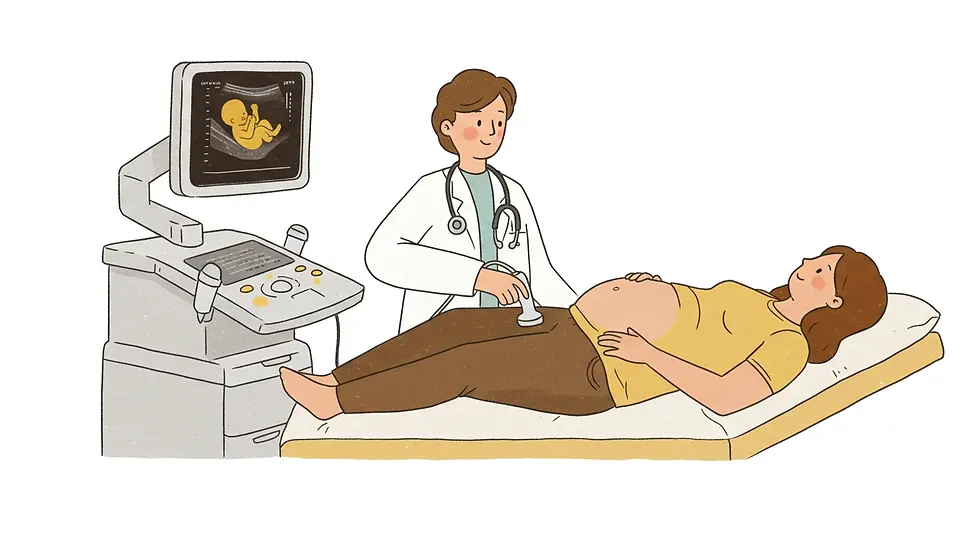
However, for the most accurate results, it’s typically best to wait until around 20 weeks,
when gender differences become more pronounced. While gender predictions can be made as early as week 16, waiting a few more weeks can provide a clearer and more definitive answer
Baby Boy
On an ultrasound, the genitalia of a baby boy may appear as a snail or turtle
shape. This image can be a clue that your baby is a boy.
Baby Girl
For a baby girl, the ultrasound may show three distinct lines (the outer edges of the vulva). These lines are indicative of a baby girl.