Week 35
Hi,
.
Your baby keeps gaining weight and you're definitely feeling it.
Let’s explore Let’s explore all the amazing things of week thirty-five together.
_edited.png)
18.19
inches long
84.05
ounces
This week, your baby is about the size of a sturdy and sweet coconut!
Just like the rich nutrients hidden inside a coconut’s tough shell, your baby is growing stronger and more nourished every day inside the womb
Every little movement is a sign that they’re preparing to meet you soon.
This strong little coconut is growing with excitement as their birthday draws closer!
Your Baby's
Development
As your baby continues to grow and develop this week, you might notice a more defined sleep pattern.
Movements may feel less frequent but stronger and more deliberate.

Heart & Blood Vessels
Fully developed and functioning well.

Skin
Smoother now, thanks to growing fat stores beneath the surface.

Lungs
Almost fully mature, now producing surfactant to support breathing after birth.
.webp)
Brain
Rapid growth continues, with new neural connections forming every day.

Genitals
In boys, the testicles have descended into the scrotum.
.webp)
Nails
Fingernails and toenails now reach the tips of the fingers and toes.
.webp)
Fine Hair (Lanugo)
Most of the soft body hair has now shed.

Bones
Fully formed, though the skull remains soft and flexible for birth.
Fetal Position
_edited.png)
Your baby is likely in the head-down (vertex) position, curled with knees drawn to chest.
Although space is tight in the womb, your little one can still make gentle shifts in position.
If your baby is currently breech, there’s still time for them to turn naturally into an ideal birth position.
Movements

At 34 weeks, your baby has less room to move, so their movements might feel a bit more gentle or limited.
Since they’re sleeping longer now, you may notice a calmer, more rhythmic pattern of kicks and wiggles.
What to Expect in a 32-Week Ultrasound?

Fetal Growth and Position
Helps confirm if your baby is head-down (ideal for birth).
Placenta Health
Evaluates the structure and function of the placenta.
Growth Projections
Tracks the baby’s growth curve and development.
Detection of Potential Issues
Early signs of complications can be identified and managed proactively.
An ultrasound at this stage can provide valuable insights, including

Safe Sex During the 32nd Week of Pregnancy

Prioritize Comfort Over Routine
Experiment with positions that reduce pressure on your belly, such as side-lying or seated support. Let comfort—not performance—guide the experience.
Stay Emotionally Tuned In
This is a tender time. Talk openly about what feels good emotionally as well as physically. Sometimes, a cuddle or massage means more than anything else.
Watch for Warning Signs
If you notice bleeding, fluid leakage, pain, or regular contractions, stop and contact your doctor. Your comfort and safety always come first.
Know That Intimacy Has Many Forms
Closeness doesn't always mean intercourse. Holding hands, slow dancing, or simply resting together can nurture connection just as deeply.
If your pregnancy is healthy, sex at 34 weeks is usually safe.
Your baby is protected, and intimacy can be a beautiful way to stay emotionally close.
Just listen to your body, move gently, and focus on connection—not perfection.
Symptoms
you may experience

Fatigue
As your baby reaches near full size, your energy levels may dip more easily.
Shortness of Breath
Pressure on the diaphragm can make breathing feel more difficult.
Frequent Urination
Your growing uterus presses on the bladder, making bathroom visits more frequent.
Sleep Disruptions
A bigger belly and hormonal shifts may make restful sleep harder to come by.
Heartburn
Your uterus may push stomach acids upward, causing a burning sensation in your chest or throat.
Swelling (Edema)
Fluid retention may lead to puffiness in your hands, feet, and face.
Back Pain
Added weight and your baby’s position can strain your lower back
Constipation
Slowed digestion from progesterone may cause discomfort.
Hemorrhoids
Pressure on veins in the rectal area may cause swelling or pain.
Varicose Veins
Increased blood flow and pressure can make veins more visible, especially in the legs
Braxton Hicks Contractions
These irregular, usually mild contractions are your body’s way of practicing for labor.
Clumsiness
Your changing center of gravity can make balance a bit tricky.
Headaches
Often triggered by hormone fluctuations.
Gum Sensitivity
Hormonal changes may lead to swollen or bleeding gums.
As you near the final stretch of your pregnancy, you may experience some of the following Symptoms

What
Should
You Eat?

Vitamins & Fiber
Bananas, apples, mangoes, spinach, and broccoli are great sources of essential nutrients.
Calcium
Milk, cheese, and yogurt help strengthen your baby’s growing bones.
Carbohydrates
Whole meals, bread, pasta, and potatoes provide lasting energy. Whole grains and breakfast cereals can also help relieve constipation.
Protein
Include lean meats like chicken, fish, and eggs to support muscle and tissue growth.
Folic Acid
Leafy greens, brown rice, and fortified breads and cereals are key to your baby’s brain and spinal development.
What to Limit
Cut back on tea and coffee, as they can interfere with iron absorption.
Try to avoid processed snacks and sugary treats when possible.
Vitamin D
Eggs and oily fish are great sources. A vitamin D supplement may also be recommended by your doctor.
This week, nutrition plays an important role in supporting both your well-being and your baby’s healthy development.
Here are some nourishing foods to include in your diet

Physical Activities
& Self-Care

Kegel Exercises
Strengthen your pelvic floor muscles and may reduce the risk of tearing during vaginal delivery.
Pelvic Tilts
Help improve abdominal flexibility and relieve lower back pain.
Tailor Sitting (Butterfly Stretch)
Strengthens your thighs and lower back while promoting pelvic flexibility.
Prenatal Exercises
Activities like yoga, walking, and swimming are great for building strength and keeping your joints flexible.
Alongside a balanced diet, gentle physical activity and relaxing self-care routines can help prepare your body for birth and ease common discomforts

If anything feels unusual, don’t hesitate to contact your doctor.
Don’t hesitate to reach out to your doctor.

If the contractions persist or symptoms become more intense, contact your healthcare provider immediately.
Recognizing the signs of preterm labor early is essential for both your health and your baby’s well-being.
Whats Happening
to Your Body?
.webp)
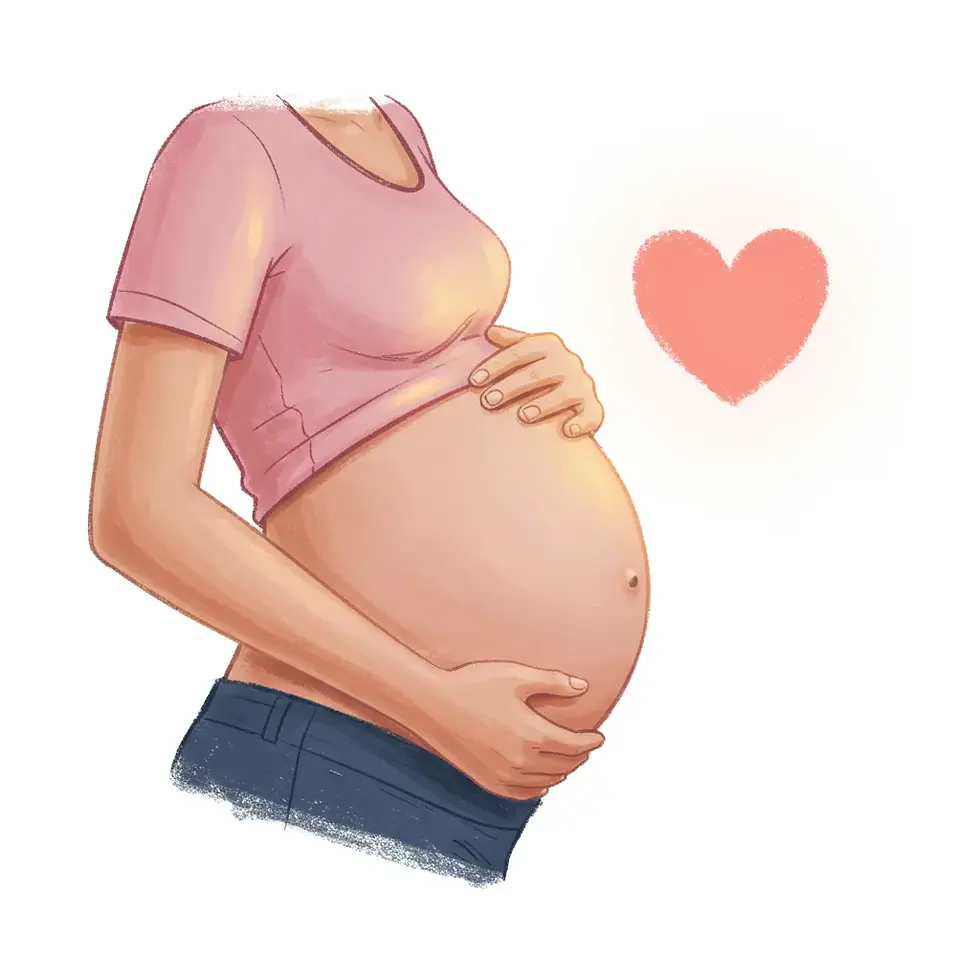
Noticeable Baby Bump
Your belly may now be more prominent and eye-catching.

Tender, Sore Breasts
Breast sensitivity may increase, and you might feel more pressure or heaviness.
.webp)
Colostrum Leakage
A yellowish, milk-like fluid may begin to leak from your breasts.
.webp)
Areola Changes
The nipples and surrounding area may darken and enlarge.
.webp)
Visible Veins
Increased blood flow can make veins more noticeable, especially around the chest and limbs.
.webp)
Linea Nigra
The dark line running down your belly may become more defined.
.webp)
Stretch Marks
As your skin stretches, stretch marks may become more visible.
All of these changes are part of your body’s natural preparation for birth.
Gentle self-care, calming routines, and emotional support can make this time feel more manageable and even beautiful.
Whats Happening
to Your Emotions?
.webp)
Increased Worry
As your due date approaches, feelings of anxiety and excitement may intensify.

Mood Swings
Hormonal shifts can lead to emotional ups and downs.

Fears About Birth & Motherhood
You may feel overwhelmed thinking about labor and the journey ahead.
As birth approaches, it’s normal to feel a mix of excitement, anxiety, and tenderness. Your emotions may rise and fall, just like waves.
Remember, you’re doing something incredible. Be gentle with your heart and give yourself grace.
Quick note!
If you're experiencing pain around your ribs, it might be nothing serious but it could also be a sign of something more serious like preeclampsia.
Don’t hesitate to check in with your doctor.
Quick note!
Babies born during this period are considered late preterm and may need extra medical support for breathing, jaundice, or infection. Early medical attention is important.
If you're not experiencing any concerning symptoms, keep up with your regular prenatal check-ups and take care of yourself.
Your Growing Belly and Fundal Height
By this week of pregnancy, your belly has become noticeably rounder and continues to grow. Your baby is now strong enough that you may even feel kicks reaching all the way up to your ribs.
Quick Tips!
You can speak with your doctor about starting perineal massage, which helps increase muscle elasticity and may reduce the risk of tearing during childbirth.
With these gentle practices and mindful care, you can enjoy a healthier, more comfortable 34th week. Take care of yourself, and don’t forget to savor this beautiful time.
Quick Tip!
Ease her discomfort with a gentle neck or foot massage, and help plan for postpartum needs. The most valuable support is your steady presence, remind her she’s not in this
Preterm
Labor Signs
to Watch
This Week

Five or More Contractions in One Hour
Regular, rhythmic tightening that doesn’t go away.
Leaking Fluid from the Vagina:
This may be a sign that your amniotic sac has ruptured.
Abdominal Cramps
May occur with or without diarrhea.
Menstrual-Like Pelvic Pain
Can feel rhythmic and persistent.
Pelvic Pressure
Often caused by the baby dropping lower into the pelvis.
Lower Back Pain
Can be dull and constant or come and go.
Changes in Vaginal Discharge
May become pink, bloody, or noticeable
Labor that begins before 37 weeks of pregnancy is considered preterm.
Here are some signs to watch for during week 34
When Should
You Call
Doctor?

Dehydration & Fatigue
-
Excessive thirst
-
Dry mouth
-
Blurred vision
-
Fatigue or dizziness
Listen to your body—these could be signs that you need to rest, hydrate, or seek care.
Urinary Issues
-
Dark yellow, orange, or strong-smelling urine
-
Burning sensation when urinating
-
Vaginal itching
These may signal a urinary tract infection (UTI).
Leg Swelling or Tenderness
Painful or painless swelling in one leg, especially if it feels warm or tender.
Swelling & Sudden Weight Gain
-
Sudden swelling in your hands or face
-
Blurred vision
-
Persistent headaches
-
Shortness of breath or feeling lightheaded
-
Upper abdominal pain
Baby’s Movements
If you notice a significant decrease or change in your baby’s usual movements.
It’s always best to stay in touch with your doctor if you notice anything unusual. Here are some important signs to watch for
At 24 weeks, premature babies have a one in two chance of survival with proper hospital care and access to a well-equipped Neonatal Intensive Care Unit (NICU). This highlights the importance of being prepared for early delivery and having access to the necessary medical support.
An ultrasound may be performed to check your baby’s position, amniotic fluid levels, and overall health.
-
Weight: To monitor healthy weight gain throughout pregnancy
-
Blood Pressure: To screen for pregnancy-related hypertension
-
Fundal Height: To assess uterine growth and your baby’s development
-
-
Vaginal Swab: This test checks for Group B Streptococcus bacteria.
-
If Positive: You may be given antibiotics during labor to prevent passing the infection to your baby.
-
Your OB-GYN Visit This Week
Here’s what your doctor may check or discuss during your prenatal visit
When you feel contractions, try walking around or lying on your left side. Notice if they become stronger or more frequent. Keep track of how many you feel—this helps your doctor understand what’s happening. If there are no major complications, medications may be given to slow the contractions.
If you notice a steady, watery discharge, it could be amniotic fluid. Use a sanitary pad and go to the hospital right away to prevent infection. Your doctor may give you IV antibiotics to protect both you and your baby.
If you see vaginal bleeding, use a sanitary pad and head to the hospital as soon as possible so your doctor can check for internal causes.
Ask your partner for a gentle massage, or use a warm compress to ease the discomfort. If the pain continues, call your doctor—they will check if it may be early labor.
Tips for
Coping with
Preterm Labor
Here are some gentle tips to help you recognize the signs of preterm labor and know what to do
Is There
a Risk Of
Miscarriage?
Structural
abnormalities
Uncontrolled
maternal diabetes
or exposure to
teratogens
Infections
Sexually
transmitted
diseases
Hormonal
abnormalities
Unbalanced
lifestyle
The risk of miscarriage at 19 weeks gestation is very rare, but the possibility of pregnancy loss in the second trimester is not completely eliminated
-Approximately 1-5% of pregnancy losses occur between 13 and 19 weeks of pregnancy.
- Of these losses, 24% are due to chromosomal abnormalities in the fetus.
If you notice any of the following symptoms, you should contact your doctor immediately
-
Severe abdominal cramps
Intense pain in the lower abdomen or back. -
Bleeding
Bleeding can be light spotting or more intense
Signs of Miscarriage
at 18 Weeks
To reduce the risk of miscarriage
-
Adopting a healthy lifestyle
-
Detecting possible complications with early pregnancy tests
-
Regularly attending the treatments and prenatal check-ups recommended by your doctor
-
Always consult your doctor before using herbal supplements
Sharing every change you experience this week, big or small, with your doctor will ease your worries. Remember, with healthy living habits and guidance from your doctor, you can be one step closer to safely embracing your little miracle.
How to
Prevent Miscarriage?

Unsafe
Plants
in Pregnancy
Saw palm
Dong Quai
Goldenseal
Ephedra
Passion flower
Pay D'Arco
Yohimbe
Black gentian
Roman chamomile
Blue gentian
Dandelion
Chamomile
Stinging nettle
Aloe
Mint leaf
Ginseng
Fireweed
Cassia
Kava Kava
Evening flower
These plants can cause uterine contractions that can lead to miscarriage, premature birth or damage fetal development

Safe
Plants
in Pregnancy
Red raspberry leaf
Peppermint leaf
Ginger root
Oats and oat straw
Slippery elm bark
Each herb works differently , your doctor will know what’s best for you. When using herbs, eat well and drink plenty of water. Always choose what’s safest for you and your baby.
With your doctor’s approval, you may consume the following herbs in moderation
When getting up from sitting or lying down, rise slowly and avoid sudden movements.
Avoid fizzy drinks, spicy foods, and citrus fruits.
Can help relieve back pain, leg cramps, and even hemorrhoid discomfort.
Walking boosts energy and helps improve sleep quality.
Reduce fluid intake one hour before bed to minimize nighttime trips to the bathroom.
A great way to ease body aches and tension.
Continue taking your prenatal vitamins daily.
Learn about labor and delivery techniques.
it helps them feel more connected.
Tips for You

"Your body is doing something magical, these gentle tips are here to help you feel more comfortable, supported, and calm as you prepare to meet your baby.
Must-Have Products
for This Week!
Start looking into local pediatricians and discuss your options together.
Lighten her load by pitching in with daily tasks.
Help gather essentials like clothes, toiletries, and newborn items in advance.
Join her for doctor visits to stay informed and connected.
Plan relaxing strolls or simple outdoor activities to enjoy as a couple.
If you haven’t already, organize a sweet surprise celebration for her.
Keep all important contacts and hospital details easily accessible.
oin prenatal classes to learn about childbirth and newborn care as a team.
map out the fastest route to the hospital, and most importantly—remember how much your calm presence means to her. You're her greatest support.

Tips for Partner
Your partner can play a big role in helping you feel more comfortable—both physically and emotionally—during pregnancy. Here are a few meaningful ways they can help

Movie Pick
of the week
Nine Months
Nine Months offers a lighthearted and slightly over-the-top take on the ups and downs of pregnancy. Hugh Grant stars as Samuel, a man terrified of parenthood, who goes into full panic mode when his partner Rebecca (Julianne Moore) announces she’s expecting. Robin Williams adds extra charm (and chaos!) as a hilariously clumsy OB-GYN.
From dramatic labor screams to fainting dads, this movie leans into the funny, unpredictable side of expecting a baby and will definitely leave you smiling.
Looking for something cute, funny, and full of Hugh Grant’s classic charm? Nine Months is the perfect cozy pick.

Book Pick
of the week
How to Raise an Adult
Julie Lythcott-Haims
This powerful book explores how to raise children who grow into capable, confident, and independent adults. Julie Lythcott-Haims encourages parents to let go of overprotective habits and instead give their children the freedom to grow, fail, and learn.
Packed with practical advice and real-life stories, this book helps parents set healthy boundaries while allowing their child’s natural potential to shine.
Reading it during pregnancy offers a refreshing perspective as you prepare for the parenting journey ahead, especially if your goal is to raise strong, self-reliant, and emotionally healthy humans.
Name Suggestions
of the week
King
King means "ruler" or "royalty", representing strength, leadership, and confidence. It’s a name that speaks of a child who will grow up to be respected, responsible, and self-assured. King carries charisma, a powerful presence, and a fearless outlook on life.
If you dream of a name that stands tall with dignity and courage, King is a bold and beautiful choice.
Nova
Nova means "new", symbolizing fresh starts, creativity, and bright energy. It’s a name that carries a sense of wonder, perfect for a little one destined to bring light and inspiration wherever they go. Nova also reflects a bold spirit and a hopeful heart looking toward the future.
If you're searching for a name that shines with promise and positivity, Nova might be the one
Share Your Week with Us!
Every week of pregnancy is a new chapter, a unique experience…
How was your week? How are you feeling? Share your little joys, excitements, or questions with us!
Your experiences can inspire and support other moms-to-be on the same journey.

Lie on your left side and rest, or take a gentle walk to see if the contractions ease.
If they become stronger and more frequent, contact your doctor right away.Use a clean sanitary pad to monitor the fluid.
Go to the hospital to prevent infection and allow your care team to assess the situation.If you notice vaginal bleeding, use a pad to track the amount.
Seek medical attention immediately—call your doctor or head to your birth center.Try gentle massage or a warm compress to ease the discomfort.
If the pain persists or worsens, reach out for professional support.This position may help ease contractions.
Note the frequency and duration, and report them if they continue.
What to Do?
Yes, they do! At this stage, babies spend most of their time sleeping. Since around 18 weeks, fetuses tend to sleep while the mother is awake, cycling through REM and non-REM sleep patterns.
Not quite. Babies born at 35 weeks are considered late preterm. While many do well, they may still face health challenges and often need monitoring in the Neonatal Intensive Care Unit (NICU).
When your baby is in the head-down position, their kicks or stretches can put pressure on your ribs, causing discomfort. If the pain is intense or feels deep under your ribs, it’s best to check with your doctor.
Yes, mild pelvic pressure is common as your baby settles into the birth position. But if it's accompanied by sharp pain or bloody discharge, it could signal early labor—reach out to your doctor.
If you notice a noticeable decrease in your baby’s movements, contact your doctor right away. Don’t wait or try to stimulate movement on your own—non-stress tests or ultrasounds can help ensure everything is okay.
FAQ
Explore & Learn


I hope this blog has provided you with helpful information about pregnancy while also making your reading experience enjoyable. Remember, the details shared here are purely for awareness, entertainment, and educational purposes.
If you have any questions or concerns during this journey, don’t hesitate to consult your doctor. Wishing you a healthy and love-filled pregnancy!
SEE YOU NEXT WEEK WITH NEW AND EXCITING INSIGHTS!
For Underweight Moms-to-Be
or Those Struggling to Gain Weight
Gender Screening on Ultrasound
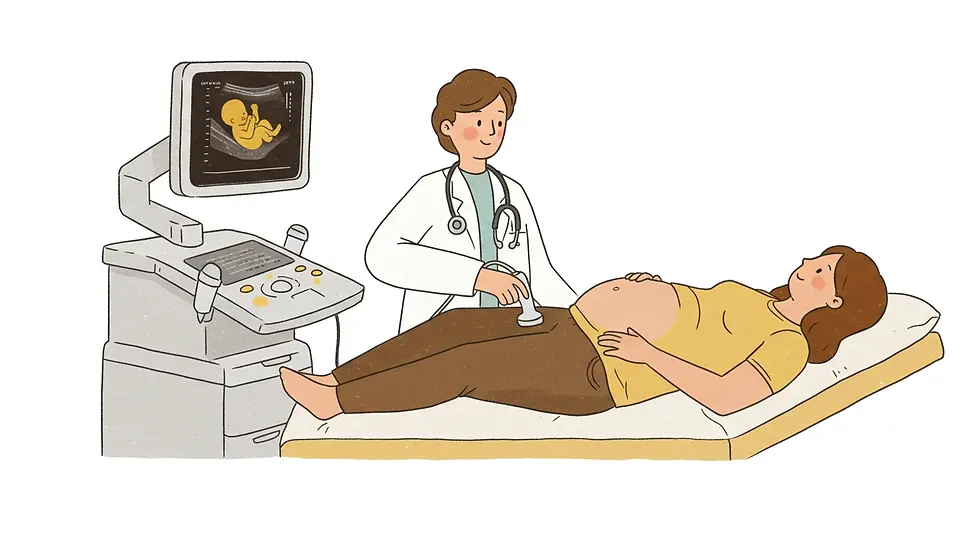
However, for the most accurate results, it’s typically best to wait until around 20 weeks,
when gender differences become more pronounced. While gender predictions can be made as early as week 16, waiting a few more weeks can provide a clearer and more definitive answer
Baby Boy
On an ultrasound, the genitalia of a baby boy may appear as a snail or turtle
shape. This image can be a clue that your baby is a boy.
Baby Girl
For a baby girl, the ultrasound may show three distinct lines (the outer edges of the vulva). These lines are indicative of a baby girl.