Week 38
Hi,
.
The big day is almost here!
Let’s dive into the excitement of week thirty-eight together.
_edited.png)
19.61
inches long
108.75
ounces
This week, your baby is as big as a pumpkin!
Just like a pumpkin full, round, and sturdy your baby is now fully developed and ready to meet the world.
Their movements are stronger and more noticeable, gently
Your Baby's
Development
Your little one is nearly ready to greet the world!
Here are some highlights of your baby’s development this week

Eyes
Your little angel can open and close their eyes. The eye color is forming based on your and your partner’s genes, though it might still change after birth.

Skin
Now soft and plump, your baby’s skin is smooth thanks to all the fat accumulating underneath. The protective vernix coating is slowly shedding into the amniotic fluid.

Lungs
Fully matured and ready to breathe air in the outside world.
.webp)
Nails
Tiny fingernails and toenails are fully grown. They might even need a trim right after birth!
.webp)
Lanugo
Most of the soft lanugo hair has disappeared, with just a few tufts left on the shoulders or upper back.
.webp)
Chest Buds
Both boys and girls may have slightly swollen chest buds – totally normal at this stage.

Reflexes
Responds to light and can firmly grasp with those little fingers. That first tiny hand-hold will melt your heart.
.webp)
Intestines
Filled with meconium, a sticky green substance that will be baby’s very first poop after birth.

Umbilical Cord
Measuring around 20 to 24 inches, this magical cord connecting you and your baby will soon be gently cut after birth.
Fetal Position
_edited.png)
This week, your baby settles deeper into the pelvis, getting ready for the big day and is likely in the head-down position.
As space becomes limited, your baby may seem less active, but you should still feel those gentle movements.
Important
If you notice a significant decrease in your baby’s activity, be sure to contact your healthcare provider right away.
Movements

At 34 weeks, your baby has less room to move, so their movements might feel a bit more gentle or limited.
Since they’re sleeping longer now, you may notice a calmer, more rhythmic pattern of kicks and wiggles.
Labor Signs
in Week 38

A Feeling of Lightness
As your baby drops lower into the pelvis, breathing may become easier. This can be a sweet little sign that labor is near.
Loss of the Mucus Plug
You might notice a thick, jelly like discharge from the vagina, a sign that your cervix is preparing for birth.
Water Breaking
When the amniotic sac ruptures, you may experience a steady trickle or sudden gush of fluid. If this happens, call your healthcare provider right away.
Regular and Painful Contractions
If contractions become consistent and grow stronger over time, your body may be telling you it's showtime.
Lower Back Pain
A dull ache in your lower back could be part of early labor signs.
Bloody Show
You might notice pink or brown-tinged discharge as your cervix begins to open.
Pelvic Pressure and Changes in Discharge
Increased pressure in your pelvic area and changes in the consistency of your discharge are also common.
Cramps With or Without Diarrhea
Hormonal shifts might lead to mild cramps or an upset stomach as your body prepares.
The big day is just around the corner, and your body is giving you little hints that it's getting ready for the grand arrival.
Here are some signs to look out for

Safe Sex During the 32nd Week of Pregnancy

Prioritize Comfort Over Routine
Experiment with positions that reduce pressure on your belly, such as side-lying or seated support. Let comfort—not performance—guide the experience.
Stay Emotionally Tuned In
This is a tender time. Talk openly about what feels good emotionally as well as physically. Sometimes, a cuddle or massage means more than anything else.
Watch for Warning Signs
If you notice bleeding, fluid leakage, pain, or regular contractions, stop and contact your doctor. Your comfort and safety always come first.
Know That Intimacy Has Many Forms
Closeness doesn't always mean intercourse. Holding hands, slow dancing, or simply resting together can nurture connection just as deeply.
If your pregnancy is healthy, sex at 34 weeks is usually safe.
Your baby is protected, and intimacy can be a beautiful way to stay emotionally close.
Just listen to your body, move gently, and focus on connection—not perfection.
Symptoms
you may experience

Braxton Hicks Contractions
You may feel irregular, mild contractions. These are your body’s way of practicing for labor. Changing positions often helps them fade away.
Sleep Troubles
Finding a comfortable sleeping position can be tricky with a growing belly and back discomfort.
Mucus Plug
You might notice a jelly-like vaginal discharge known as the mucus plug. This means your cervix is starting to open and labor may be near.
Swelling
Swollen feet and ankles can occur due to water retention. Drinking plenty of water can help your body release the excess fluid.
Colostrum
You may notice a yellowish fluid leaking from your breasts. This is colostrum, your baby’s first milk. Breast pads can help if the leaks soak through clothing.
Frequent Urination
With your baby pressing on your bladder, you might find yourself heading to the bathroom more often.
Back Pain
The weight of your baby can place extra pressure on your lower back, causing some discomfort.
Loose Stools
Hormonal shifts may cause mild diarrhea. This can be another way your body gets ready for labor.
Bloody Discharge
You might see pink or brown-tinged discharge. This can happen as tiny blood vessels in the cervix break during dilation.
Pregnancy Brain
Feeling forgetful? Totally normal. Leave yourself little notes or reminders to stay on track.
The big day is just around the corner, and your body is giving you gentle hints.
Here are some common signs you might notice this week

What
Should
You Eat?

Vitamins & Fiber
Bananas, apples, mangoes, spinach, and broccoli are great sources of essential nutrients.
Calcium
Milk, cheese, and yogurt help strengthen your baby’s growing bones.
Carbohydrates
Whole meals, bread, pasta, and potatoes provide lasting energy. Whole grains and breakfast cereals can also help relieve constipation.
Protein
Include lean meats like chicken, fish, and eggs to support muscle and tissue growth.
Folic Acid
Leafy greens, brown rice, and fortified breads and cereals are key to your baby’s brain and spinal development.
What to Limit
Cut back on tea and coffee, as they can interfere with iron absorption.
Try to avoid processed snacks and sugary treats when possible.
Vitamin D
Eggs and oily fish are great sources. A vitamin D supplement may also be recommended by your doctor.
This week, nutrition plays an important role in supporting both your well-being and your baby’s healthy development.
Here are some nourishing foods to include in your diet

Physical Activities
& Self-Care

Kegel Exercises
Strengthen your pelvic floor muscles and may reduce the risk of tearing during vaginal delivery.
Pelvic Tilts
Help improve abdominal flexibility and relieve lower back pain.
Tailor Sitting (Butterfly Stretch)
Strengthens your thighs and lower back while promoting pelvic flexibility.
Prenatal Exercises
Activities like yoga, walking, and swimming are great for building strength and keeping your joints flexible.
Alongside a balanced diet, gentle physical activity and relaxing self-care routines can help prepare your body for birth and ease common discomforts

If anything feels unusual, don’t hesitate to contact your doctor.
Don’t hesitate to reach out to your doctor.

If your contractions begin naturally this week, it likely means your baby is ready to meet the world.
In some cases, such as gestational diabetes, preeclampsia, or placenta-related concerns, your doctor may suggest inducing labor.
Listen to your body, trust your instincts, and know that you’re doing wonderfully. You’ve got this, mama.
Whats Happening
to Your Body?

A Growing Belly
As your little miracle continues to grow, your belly becomes more prominent. You might need to move with a bit more care and awareness.

Breast Changes
Your areolas may darken, and you may notice a bit of colostrum leaking from your breasts. This is a sweet sign that your body is getting ready to nourish your baby.
.webp)
Itchy Belly
Your stretching belly might feel tight or itchy. Gently applying moisturizer can help ease the discomfort. Stretch marks may also become more noticeable. A beautiful reminder of the powerful journey to motherhood
Your baby’s birthday is just around the corner!
Both your body and your mind are gently preparing for the big moment.
Here are some of the changes you might notice this week
Whats Happening
to Your Emotions?
.webp)
Anxious Anticipation
As your due date approaches, it's completely normal to feel a mix of excitement and nerves. A new chapter is about to begin!

Mood Swings
Hormonal changes may have you laughing one minute and tearing up the next. Every emotion is valid, let them flow.

Nesting Instinct
You may feel a strong desire to get everything ready for your little one. Whether it’s fluffing pillows or folding tiny clothes, each act is filled with love and anticipation.
A swirl of emotions is perfectly natural during this time.
Remember, it's okay to ask for help and take breaks. Be gentle with yourself, the big day is almost here!
Quick Reminder
If you feel an urgent need to go to the bathroom but nothing happens, that might be your body's unique way of saying labor is starting.
In that case, reach out to your doctor or midwife
Quick note!
Babies born during this period are considered late preterm and may need extra medical support for breathing, jaundice, or infection. Early medical attention is important.
If you're not experiencing any concerning symptoms, keep up with your regular prenatal check-ups and take care of yourself.
Your Growing Belly and Fundal Height
By this week of pregnancy, your belly has become noticeably rounder and continues to grow. Your baby is now strong enough that you may even feel kicks reaching all the way up to your ribs.
Make Sure You're Ready!
Your baby is now considered full term and may already be in the head-down position.
You might start experiencing signs like Braxton Hicks contractions, a bit of leaking colostrum, or the loss of your mucus plug.
Keep up with your prenatal appointments, take care of your physical and emotional wellbeing, and trust that you’re getting closer to the beautiful moment of meeting your baby.
You've got this, mama!
Quick Tip!
Ease her discomfort with a gentle neck or foot massage, and help plan for postpartum needs. The most valuable support is your steady presence, remind her she’s not in this
Preterm
Labor Signs
to Watch
This Week

Five or More Contractions in One Hour
Regular, rhythmic tightening that doesn’t go away.
Leaking Fluid from the Vagina:
This may be a sign that your amniotic sac has ruptured.
Abdominal Cramps
May occur with or without diarrhea.
Menstrual-Like Pelvic Pain
Can feel rhythmic and persistent.
Pelvic Pressure
Often caused by the baby dropping lower into the pelvis.
Lower Back Pain
Can be dull and constant or come and go.
Changes in Vaginal Discharge
May become pink, bloody, or noticeable
Labor that begins before 37 weeks of pregnancy is considered preterm.
Here are some signs to watch for during week 34
When Should
You Call
Doctor?

Changes in Fetal Movement
If your baby is moving less than usual or you notice a significant change in movement patterns.
Sudden Swelling
Swelling in your hands, face, or feet—especially if accompanied by sudden weight gain.
Blurred Vision & Persistent Headache
Ongoing headaches, blurred vision, light sensitivity, or feeling faint.
Urinary Issues
Dark yellow or orange urine, unusual smell, pain in your back or lower belly, burning during urination, or vaginal itching.
Dry Mouth & Extreme Thirst
Persistent thirst, dry mouth, fatigue, blurred vision, or dizziness.
Swelling & Pain in One Leg
Swelling, tenderness, or pain in one leg may be a sign of a circulation issue or blood clot.
If you notice any of the following symptoms during your 36th week of pregnancy, contact your healthcare provider right away
At 24 weeks, premature babies have a one in two chance of survival with proper hospital care and access to a well-equipped Neonatal Intensive Care Unit (NICU). This highlights the importance of being prepared for early delivery and having access to the necessary medical support.
These are monitored to ensure a healthy weight gain and stable blood pressure in the final weeks of pregnancy.
Protein levels are tested to look out for any signs of preeclampsia.
You’ll be asked about common symptoms like heartburn, trouble sleeping, and how often your baby moves.
This measurement helps track your baby’s growth.
Your baby’s size, weight, heartbeat, breathing patterns, and amniotic fluid levels are carefully examined.
Your doctor will check for dilation and effacement to see how your body is preparing for labor.
Conditions like gestational diabetes, anemia, intrauterine growth restriction, or breech positioning.
How to recognize and manage signs of high blood pressure.
Information about contractions, water breaking, and other signs that labor might be starting.
Options for natural delivery, cesarean section, and any medical interventions that may be needed.
Your OB-GYN Visit This Week
Your obstetrician will perform several checks and evaluations to ensure that both you and your baby are ready for the big day.
Here's what you might experience during this week’s visit
When you feel contractions, try walking around or lying on your left side. Notice if they become stronger or more frequent. Keep track of how many you feel—this helps your doctor understand what’s happening. If there are no major complications, medications may be given to slow the contractions.
If you notice a steady, watery discharge, it could be amniotic fluid. Use a sanitary pad and go to the hospital right away to prevent infection. Your doctor may give you IV antibiotics to protect both you and your baby.
If you see vaginal bleeding, use a sanitary pad and head to the hospital as soon as possible so your doctor can check for internal causes.
Ask your partner for a gentle massage, or use a warm compress to ease the discomfort. If the pain continues, call your doctor—they will check if it may be early labor.
Tips for
Coping with
Preterm Labor
Here are some gentle tips to help you recognize the signs of preterm labor and know what to do
Is There
a Risk Of
Miscarriage?
Structural
abnormalities
Uncontrolled
maternal diabetes
or exposure to
teratogens
Infections
Sexually
transmitted
diseases
Hormonal
abnormalities
Unbalanced
lifestyle
The risk of miscarriage at 19 weeks gestation is very rare, but the possibility of pregnancy loss in the second trimester is not completely eliminated
-Approximately 1-5% of pregnancy losses occur between 13 and 19 weeks of pregnancy.
- Of these losses, 24% are due to chromosomal abnormalities in the fetus.
If you notice any of the following symptoms, you should contact your doctor immediately
-
Severe abdominal cramps
Intense pain in the lower abdomen or back. -
Bleeding
Bleeding can be light spotting or more intense
Signs of Miscarriage
at 18 Weeks
To reduce the risk of miscarriage
-
Adopting a healthy lifestyle
-
Detecting possible complications with early pregnancy tests
-
Regularly attending the treatments and prenatal check-ups recommended by your doctor
-
Always consult your doctor before using herbal supplements
Sharing every change you experience this week, big or small, with your doctor will ease your worries. Remember, with healthy living habits and guidance from your doctor, you can be one step closer to safely embracing your little miracle.
How to
Prevent Miscarriage?

Unsafe
Plants
in Pregnancy
Saw palm
Dong Quai
Goldenseal
Ephedra
Passion flower
Pay D'Arco
Yohimbe
Black gentian
Roman chamomile
Blue gentian
Dandelion
Chamomile
Stinging nettle
Aloe
Mint leaf
Ginseng
Fireweed
Cassia
Kava Kava
Evening flower
These plants can cause uterine contractions that can lead to miscarriage, premature birth or damage fetal development

Safe
Plants
in Pregnancy
Red raspberry leaf
Peppermint leaf
Ginger root
Oats and oat straw
Slippery elm bark
Each herb works differently , your doctor will know what’s best for you. When using herbs, eat well and drink plenty of water. Always choose what’s safest for you and your baby.
With your doctor’s approval, you may consume the following herbs in moderation
Take regular walks and try squats or Kegel exercises to help strengthen your pelvic muscles. These movements may support your body during labor.
Your body is doing something amazing. Make sure to give yourself plenty of time to rest and recharge.
Enjoy homemade, nourishing meals. Try to avoid fried or heavy foods that may cause discomfort.
Stress can affect both you and your baby. Try calming practices like meditation or gentle breathing exercises to stay relaxed.
Being around your partner, family, or close friends can help lift your spirits and ease any anxiety.
Choose loose, breathable clothes. Instead of heels, go for soft, flat shoes or cozy slippers.
Whether it’s from family or friends, asking for support can make a big difference. You don’t have to do this alone.
Double-check that all baby items are ready and within reach.
Tips for You

Staying comfortable both physically and emotionally is especially important during these final weeks.
Here are a few gentle tips to help you through this stage
Must-Have Products
for This Week!
Make sure your insurance covers delivery costs and all necessary documents are ready. Double-check hospital procedures so there are no surprises.
Go through the hospital bag together to ensure everything is packed. Diapers, newborn outfits, comfy clothes for your partner, and other essentials should be good to go.
Set up the baby’s car seat and make sure it’s securely fastened. You’ll want this ready before it’s time to head home.
Pay attention during prenatal appointments and help your partner remember important guidance. You’re part of the team.
Familiarize yourself with the hospital’s labor and delivery policies. It’ll give you both peace of mind if things move quickly.
Talk to your partner about her birth preferences and be supportive of her choices throughout the process.
Labor can be intense for both of you. Your calm energy will be her anchor.
Let her know you’re there. A gentle massage, breathing together, or simply being an attentive listener can make a big difference.
stay close, and be ready to go when the moment comes. You’re her biggest supporter.

Tips for Partner
As a partner, your support is more important than ever.
Here are a few thoughtful ways you can help ease this final stretch together

Movie Pick
of the week
Boss Baby
hilariously captures how your little one might step into your life as a tiny “boss.” Voiced by Alec Baldwin, this animated character shakes up family life in the most unexpected (and funny) ways.
With its light-hearted humor and sweet insights, this film beautifully illustrates the delightful chaos that comes with becoming a parent.
Watching Boss Baby during pregnancy will not only bring a smile to your face but also prepare your heart for the cheerful arrival of your very own little leader.
And if you’re up for more fun, don’t miss the sequel Boss Baby: Family Business!

Book Pick
of the week
Positive Discipline
Jane Nelsen
This empowering book offers loving and respectful ways to guide children through discipline. Jane Nelsen introduces a parenting approach that avoids punishment and instead focuses on empathy, connection, and cooperation.
Through practical advice and real-life examples, you'll learn how to understand your child’s emotional needs and build a nurturing bond.
Reading this book during pregnancy lays the foundation for strong communication and a warm, respectful relationship with your baby.
If you're looking for a discipline approach rooted in love and mutual respect, Positive Discipline will truly inspire your parenting journey.
Name Suggestions
of the week
Roman
Roman has Latin roots and means “from Rome.” With its historical depth, this name points to a bold, charismatic, and courageous spirit.
Roman also hints at wisdom and a natural sense of leadership, making it a beautiful choice for a baby destined to make a meaningful impact.
Parker
Parker is of English origin and means “park keeper.” This nature-inspired name suggests that your little one will grow into a responsible, strong, and harmonious soul with a deep connection to the natural world.
Parker also reflects a calm and dependable personality, someone you can always count on.
Share Your Week with Us!
Every week of pregnancy is a new chapter, a unique experience…
How was your week? How are you feeling? Share your little joys, excitements, or questions with us!
Your experiences can inspire and support other moms-to-be on the same journey.

Lie on your left side and rest, or take a gentle walk to see if the contractions ease.
If they become stronger and more frequent, contact your doctor right away.Use a clean sanitary pad to monitor the fluid.
Go to the hospital to prevent infection and allow your care team to assess the situation.If you notice vaginal bleeding, use a pad to track the amount.
Seek medical attention immediately—call your doctor or head to your birth center.Try gentle massage or a warm compress to ease the discomfort.
If the pain persists or worsens, reach out for professional support.This position may help ease contractions.
Note the frequency and duration, and report them if they continue.
What to Do?
Although giving birth at 38 weeks isn’t usually encouraged, it can happen safely. Your baby’s brain, lungs, and body fat are still developing until week 39. However, if there’s a medical reason, your doctor may recommend delivery. A full-term pregnancy typically occurs between 39 and 40 weeks, which is considered the most ideal time for your baby’s development.
A pregnancy at 38 weeks is considered early term. Full term usually starts at 39 weeks. Babies born after this point are more likely to have better health outcomes after birth.
Cervical dilation varies from person to person. At 38 weeks, your cervix may begin to soften (efface), but actual dilation usually becomes more noticeable during labor. This process can take days or even weeks and tends to speed up as you get closer to delivery.
Braxton Hicks contractions are practice contractions that help prepare your body for labor, and they can cause your belly to feel tight. If the tightness is constant or comes with pain or bleeding, it may be a sign of real labor and you should contact your doctor.
-
Gentle Movement: Short walks or doctor-approved exercises can help ease anxiety.
-
Prioritize Sleep: A good night’s rest helps you stay energized and calm.
-
Relaxation Techniques: Try calming activities like yoga, meditation, or deep breathing.
-
Talk It Out: Sharing your feelings with your partner, a friend, or a professional can bring comfort and clarity.
-
FAQ
Explore & Learn


I hope this blog has provided you with helpful information about pregnancy while also making your reading experience enjoyable. Remember, the details shared here are purely for awareness, entertainment, and educational purposes.
If you have any questions or concerns during this journey, don’t hesitate to consult your doctor. Wishing you a healthy and love-filled pregnancy!
SEE YOU NEXT WEEK WITH NEW AND EXCITING INSIGHTS!
For Underweight Moms-to-Be
or Those Struggling to Gain Weight
Gender Screening on Ultrasound
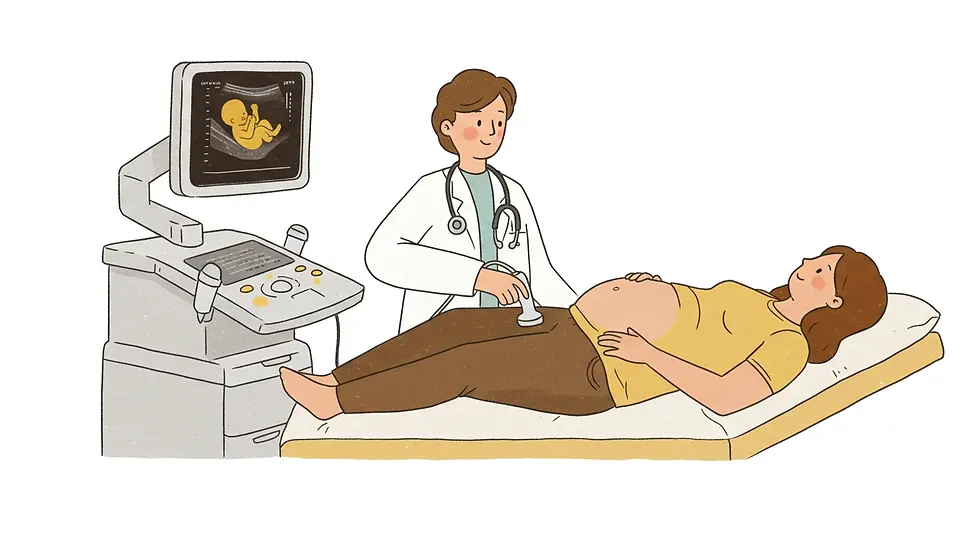
However, for the most accurate results, it’s typically best to wait until around 20 weeks,
when gender differences become more pronounced. While gender predictions can be made as early as week 16, waiting a few more weeks can provide a clearer and more definitive answer
Baby Boy
On an ultrasound, the genitalia of a baby boy may appear as a snail or turtle
shape. This image can be a clue that your baby is a boy.
Baby Girl
For a baby girl, the ultrasound may show three distinct lines (the outer edges of the vulva). These lines are indicative of a baby girl.