Week 40
Hi,
.
And here it is the big moment has arrived!
In the fortieth week, your baby is ready to say hello to the world.
Let’s explore the details of this very special week together.

20.16
inches long
122
ounces
This week, your baby is officially a tiny newborn!
This little miracle has completed their journey inside the womb and is now fully ready to meet the world.
Every tiny move is a sweet signal that they’re preparing to be in your arms. With those tiny hands, feet, and an adorable face, your baby is eager to steal your heart.
This sweet little one is coming to fill your life with love!
Your Baby's
Development
Your little one is finally ready for the big debut!
Let’s explore the final magical touches happening this week

Hair
Thicker and more defined—your baby might arrive with a tiny hairstyle already!
.webp)
Nails
They’ve grown to the tips time to keep that baby nail clipper close!

Lungs
Fully developed and ready for that very first breath.
.webp)
Lanugo
(fine hair): Mostly gone, though a few soft traces might remain.
.webp)
Digestive System
Filled with meconium—the very first poop, ready to be released after birth.

Reflexes
Around 70 reflexes are now developed, helping your baby adjust to life outside the womb.
Protective Layer
Vernix caseosa, the creamy coating, still gently protects the skin.
At the Hospital

-
Your doctor might wait for contractions to start naturally.
-
If they don’t begin, labor may need to be induced.
-
In some cases, the amniotic sac may rupture later during active labor.
Final Note
No matter which method is chosen, your doctor’s expertise ensures that the process is as safe and smooth as possible for both you and your baby.
Movements

At 34 weeks, your baby has less room to move, so their movements might feel a bit more gentle or limited.
Since they’re sleeping longer now, you may notice a calmer, more rhythmic pattern of kicks and wiggles.
Labor Signs
in Week 40

Regular Contractions
These become more frequent and intense over time. If they don’t go away with rest, labor may have begun.
Bloody Show (Mucus Plug)
You might notice a pink or brownish discharge—this means your cervix is getting ready.
Menstrual-Like Cramps
Cramping in the lower belly can feel like period pain.
Back Pain
A dull ache or throbbing in your lower back is common.
Diarrhea
Hormonal changes may speed up digestion.
Water Breaking
This may feel like a slow leak or a sudden gush. If you notice clear, odorless fluid, call your doctor.
You’re just one step away from holding your baby in your arms!
At this stage, it’s important to keep an eye on signs that labor may be starting. Here’s what to look out for

Safe Sex During the 32nd Week of Pregnancy

Prioritize Comfort Over Routine
Experiment with positions that reduce pressure on your belly, such as side-lying or seated support. Let comfort—not performance—guide the experience.
Stay Emotionally Tuned In
This is a tender time. Talk openly about what feels good emotionally as well as physically. Sometimes, a cuddle or massage means more than anything else.
Watch for Warning Signs
If you notice bleeding, fluid leakage, pain, or regular contractions, stop and contact your doctor. Your comfort and safety always come first.
Know That Intimacy Has Many Forms
Closeness doesn't always mean intercourse. Holding hands, slow dancing, or simply resting together can nurture connection just as deeply.
If your pregnancy is healthy, sex at 34 weeks is usually safe.
Your baby is protected, and intimacy can be a beautiful way to stay emotionally close.
Just listen to your body, move gently, and focus on connection—not perfection.
Symptoms
you may experience

Pelvic Pressure and Discomfort
As your baby drops lower, you may feel increased pressure in your pelvic area but breathing often becomes easier.
Lightening
With less pressure on your ribs, heartburn might ease up a bit.
Braxton Hicks Contractions
These “practice” contractions may become more frequent. True labor contractions come regularly and don’t go away with rest.
Sleep Troubles
A growing belly, general discomfort, and labor anxiety can make it harder to sleep through the night. You might find yourself waking often and feeling unrested.
Vaginal Discharge
You may notice the mucus plug coming out, signaling labor could begin soon.
Back Pain and Leg Cramps
Your changing posture and baby’s weight can make these more intense.
Insomnia
Discomfort and excitement may affect your sleep.
Swelling and Hot Flashes
Water retention can cause puffiness. Drink plenty of water and elevate your feet to relieve swelling.
Decreased Fetal Movement
Movement may feel different now that space is tight. But if you notice a significant decrease, contact your doctor right away.
As you enter the final week of pregnancy, your body shows clear signs that birth is near.
From pelvic pressure to stronger Braxton Hicks contractions, these changes mean your baby is almost ready.
Staying aware of these symptoms can help you feel more prepared and at ease.

What
Should
You Eat?

Vitamins & Fiber
Bananas, apples, mangoes, spinach, and broccoli are great sources of essential nutrients.
Calcium
Milk, cheese, and yogurt help strengthen your baby’s growing bones.
Carbohydrates
Whole meals, bread, pasta, and potatoes provide lasting energy. Whole grains and breakfast cereals can also help relieve constipation.
Protein
Include lean meats like chicken, fish, and eggs to support muscle and tissue growth.
Folic Acid
Leafy greens, brown rice, and fortified breads and cereals are key to your baby’s brain and spinal development.
What to Limit
Cut back on tea and coffee, as they can interfere with iron absorption.
Try to avoid processed snacks and sugary treats when possible.
Vitamin D
Eggs and oily fish are great sources. A vitamin D supplement may also be recommended by your doctor.
This week, nutrition plays an important role in supporting both your well-being and your baby’s healthy development.
Here are some nourishing foods to include in your diet

Physical Activities
& Self-Care

Kegel Exercises
Strengthen your pelvic floor muscles and may reduce the risk of tearing during vaginal delivery.
Pelvic Tilts
Help improve abdominal flexibility and relieve lower back pain.
Tailor Sitting (Butterfly Stretch)
Strengthens your thighs and lower back while promoting pelvic flexibility.
Prenatal Exercises
Activities like yoga, walking, and swimming are great for building strength and keeping your joints flexible.
Alongside a balanced diet, gentle physical activity and relaxing self-care routines can help prepare your body for birth and ease common discomforts

If anything feels unusual, don’t hesitate to contact your doctor.
Don’t hesitate to reach out to your doctor.
Make sure your hospital bag is ready, and if your water breaks, stay calm, take deep breaths, and inform your partner or your doctor.
Whats Happening
to Your Body?

Growing Belly
Your belly button may have popped out, and moving around can feel harder with your large belly. Move gently and take your time.
.webp)
Stretch Marks and Itching
Stretch marks may become more visible. Use moisturizer or natural oils to ease the itch. Be kind to your skin!
.webp)
Colostrum Leakage
You might notice a few drops of colostrum, your baby’s first milk, leaking from your breasts—your body is getting ready to nourish your little one.

Cervical Dilation
As labor approaches, your cervix begins to open—your body is making its final preparations for birth.
Your body is making its final adjustments for birth.
From a heavier belly to leaky breasts and increased skin sensitivity, each change is a gentle sign that your baby is almost here.
What to Expect Right After Birth?

Crying or Quiet Time
Most babies cry as they take their first breath, it’s a healthy sign. But if medications were used during labor, your baby might be calm and quiet at first.

Umbilical Cord Clamping
The umbilical cord will be clamped and cut in a sterile way shortly after birth.
Gentle Cleaning and Warming
A nurse or doctor will clear your baby’s airways and gently dry and wrap them in a warm blanket to help maintain body temperature.

First Tests and Vaccinations
After birth, your baby gets quick checks like the Apgar score, a cord blood test, and possibly the first vaccines.

Monitoring Bleeding
Your doctor will check to ensure any bleeding is under control.

Delivery of the Placenta
The placenta is gently delivered, and the uterus is checked to prevent infection or complications.

Stitches and Care
If you have any tears or incisions, your doctor will take care of them with stitches that heal naturally over time.

Rest and Monitoring
Your blood pressure, pulse, and overall well-being will be closely monitored as you begin recovery.

Skin-to-Skin Contact
This first cuddle is powerful. It deepens your bond and helps with early breastfeeding.

Lean on Your Support Team
Having emotional and physical support is so important for your recovery and confidence.
These first moments are nothing short of magical, for both you and your baby.
Here's a gentle guide to what happens right after delivery
Did You Know?

Due Dates Are Just a Guess
Only 5% of babies are born on their due date—your little one may be following their own timeline!

Your Body Is Prepping for Breastfeeding
The placenta starts triggering hormones that help your body prepare for breastfeeding.

Full-Term Babies Have an Advantage
Full-term babies are better at regulating body temperature and coordinating sucking and swallowing compared to preterm babies.

First Labors Usually Take Longer
A first labor typically lasts between 14 and 17 hours, while later births average 6 to 8 hours.
Whats Happening
to Your Emotions?
.webp)
Anxiety and Impatience
Thoughts about labor, baby care, and parenthood may cause mixed feelings. These emotions are completely normal.

Mood Swings
Hormonal shifts can lead to ups and downs. Give yourself grace and don’t hesitate to ask for support when needed.

Nesting Instinct
You might feel a strong urge to clean, organize, and prepare your home. Just remember to rest when your body asks for it.
It’s completely normal to feel a mix of excitement, anxiety, and restlessness.
Hormonal shifts and the anticipation of meeting your baby can stir a whirlwind of emotions, be kind to yourself through it all.
What Should You Do?
If symptoms intensify or your water breaks, contact your doctor right away.
Make sure your hospital bag is ready.
Let your partner or birth companion know it’s almost time!
Quick Reminder
These signs mean your baby is getting ready to meet you.
Don’t panic! stay calm and trust that everything is unfolding just as it should
Quick note!
Babies born during this period are considered late preterm and may need extra medical support for breathing, jaundice, or infection. Early medical attention is important.
If you're not experiencing any concerning symptoms, keep up with your regular prenatal check-ups and take care of yourself.
Your Growing Belly and Fundal Height
By this week of pregnancy, your belly has become noticeably rounder and continues to grow. Your baby is now strong enough that you may even feel kicks reaching all the way up to your ribs.
Final Preparations!
This week, the excitement is at its peak for both you and your baby! Make sure your hospital bag is packed and your birth plan is reviewed. Stay mindful of any signs of labor, and try to focus on rest and relaxation
Quick Tip!
Ease her discomfort with a gentle neck or foot massage, and help plan for postpartum needs. The most valuable support is your steady presence, remind her she’s not in this
Preterm
Labor Signs
to Watch
This Week

Five or More Contractions in One Hour
Regular, rhythmic tightening that doesn’t go away.
Leaking Fluid from the Vagina:
This may be a sign that your amniotic sac has ruptured.
Abdominal Cramps
May occur with or without diarrhea.
Menstrual-Like Pelvic Pain
Can feel rhythmic and persistent.
Pelvic Pressure
Often caused by the baby dropping lower into the pelvis.
Lower Back Pain
Can be dull and constant or come and go.
Changes in Vaginal Discharge
May become pink, bloody, or noticeable
Labor that begins before 37 weeks of pregnancy is considered preterm.
Here are some signs to watch for during week 34
When Should
You Call
Doctor?

Decreased Fetal Movement
If your baby is moving less than usual or the number of kicks drops significantly.
Pain While Urinating
Could indicate a urinary tract infection.
Persistent Abdominal Pain
Ongoing and intense pain should never be ignored.
Vaginal Bleeding
Bright red bleeding may be a sign of a complication.
Fever and Chills
May point to an infection. Call your doctor right away.
No Contractions After Water Breaks
If labor doesn’t start after your water breaks, medical support may be needed.
Greenish or Yellowish Fluid
May indicate your baby has passed meconium, a sign of distress. Immediate attention is required.
Brown or Green Fluid
Could mean your baby is struggling in the birth canal. Call your doctor without delay.
During Week 40, some symptoms may signal a serious issue and should be addressed immediately.
Here's what to watch out for
What Happens When Your Water Breaks?

Stay Clean and Dry
-
Use a sanitary pad to stay clean and reduce infection risk.
-
Do not use tampons.
Call Your Doctor
-
Let your doctor know as soon as it happens.
-
Describe the fluid’s color, amount, and smell (clear and odorless is normal).
Be Ready to Head to the Hospital
Even if contractions haven’t started yet, go to the hospital soon to protect against infection.
Infection Risk
-
Once the sac is broken, your baby is more exposed. That’s why hygiene is so important.
Fluid Color and Smell
-
Clear and odorless: This is normal.
-
Green or yellowish: This may indicate your baby has passed meconium (first stool), and you should contact your doctor immediately.
When your water breaks, it means the amniotic sac has ruptured a clear sign that labor may be near.
For most women, this happens just before labor begins, but in some cases, it can occur after contractions have already started.
What Should You Do?
Inducing Labor at 40 Weeks

Sometimes labor needs a gentle medical nudge to help you meet your baby safely.
Here's what you should know about labor induction
When Is Labor Induced?
Your Water Breaks but Contractions Don’t Start
To prevent infection, induction may be necessary.
High Blood Pressure
Pregnancy-related hypertension can pose risks for you and your baby.
Post-Term Pregnancy
After 40 weeks, your doctor may wait a few more days before recommending induction.
Low Amniotic Fluid
If there’s not enough fluid to protect and cushion your baby.
Maternal or Fetal Health Risks
If continuing the pregnancy could endanger you or your baby, labor may be started for safety.
Pro Tip
Going 10 to 12 days past your due date may carry additional risks. Your doctor will monitor your condition closely and decide on the safest time for induction.
How Is Labor Induced?
Nipple Stimulation
Can increase oxytocin production, encouraging contractions.
Sexual Intercourse
May stimulate uterine contractions.
Acupuncture
Believed by some to help trigger contractions.
Walking
Helps the baby move downward into the pelvis.
Membrane Sweeping
Separating the membranes around the cervix to release hormones that trigger labor.
Medications
Oral or vaginal medications may be used to soften the cervix or stimulate contractions.
Oxytocin Administration
IV oxytocin can start or strengthen contractions.
Amniotomy
Manually breaking the water (amniotic sac) to help labor begin
Pro Tip
Before agreeing to any induction method, talk to your doctor about the benefits and potential risks
Possible Risks
-
Chorioamnionitis: A potential infection affecting the uterus and baby.
-
Uterine Rupture: Especially in women with a previous C-section.
At 24 weeks, premature babies have a one in two chance of survival with proper hospital care and access to a well-equipped Neonatal Intensive Care Unit (NICU). This highlights the importance of being prepared for early delivery and having access to the necessary medical support.
To check if your cervix is dilated, effaced, or softening—clues that labor might be near.
Measures the amount of amniotic fluid. A typical level is around 7 cm.
Monitors your baby’s heart rate and movements in a calm setting to assess wellbeing.
Shows how your baby responds to contractions. Used if NST results are unclear.
A detailed ultrasound that checks your baby’s movements, breathing, fluid levels, and muscle tone.
-
Labor Induction or Cesarean Birth: Your doctor may talk with you about your birth plan and whether medical intervention is needed.
-
Signs of Labor: You’ll be reminded to watch for contractions, water breaking, and other signs that labor has begun.
-
Your OB-GYN Visit This Week
In this very special week, your doctor will perform key checkups to ensure you and your baby are both healthy and ready. Here’s what you might experience
When you feel contractions, try walking around or lying on your left side. Notice if they become stronger or more frequent. Keep track of how many you feel—this helps your doctor understand what’s happening. If there are no major complications, medications may be given to slow the contractions.
If you notice a steady, watery discharge, it could be amniotic fluid. Use a sanitary pad and go to the hospital right away to prevent infection. Your doctor may give you IV antibiotics to protect both you and your baby.
If you see vaginal bleeding, use a sanitary pad and head to the hospital as soon as possible so your doctor can check for internal causes.
Ask your partner for a gentle massage, or use a warm compress to ease the discomfort. If the pain continues, call your doctor—they will check if it may be early labor.
Tips for
Coping with
Preterm Labor
Here are some gentle tips to help you recognize the signs of preterm labor and know what to do
Is There
a Risk Of
Miscarriage?
Structural
abnormalities
Uncontrolled
maternal diabetes
or exposure to
teratogens
Infections
Sexually
transmitted
diseases
Hormonal
abnormalities
Unbalanced
lifestyle
The risk of miscarriage at 19 weeks gestation is very rare, but the possibility of pregnancy loss in the second trimester is not completely eliminated
-Approximately 1-5% of pregnancy losses occur between 13 and 19 weeks of pregnancy.
- Of these losses, 24% are due to chromosomal abnormalities in the fetus.
If you notice any of the following symptoms, you should contact your doctor immediately
-
Severe abdominal cramps
Intense pain in the lower abdomen or back. -
Bleeding
Bleeding can be light spotting or more intense
Signs of Miscarriage
at 18 Weeks
To reduce the risk of miscarriage
-
Adopting a healthy lifestyle
-
Detecting possible complications with early pregnancy tests
-
Regularly attending the treatments and prenatal check-ups recommended by your doctor
-
Always consult your doctor before using herbal supplements
Sharing every change you experience this week, big or small, with your doctor will ease your worries. Remember, with healthy living habits and guidance from your doctor, you can be one step closer to safely embracing your little miracle.
How to
Prevent Miscarriage?

Unsafe
Plants
in Pregnancy
Saw palm
Dong Quai
Goldenseal
Ephedra
Passion flower
Pay D'Arco
Yohimbe
Black gentian
Roman chamomile
Blue gentian
Dandelion
Chamomile
Stinging nettle
Aloe
Mint leaf
Ginseng
Fireweed
Cassia
Kava Kava
Evening flower
These plants can cause uterine contractions that can lead to miscarriage, premature birth or damage fetal development

Safe
Plants
in Pregnancy
Red raspberry leaf
Peppermint leaf
Ginger root
Oats and oat straw
Slippery elm bark
Each herb works differently , your doctor will know what’s best for you. When using herbs, eat well and drink plenty of water. Always choose what’s safest for you and your baby.
With your doctor’s approval, you may consume the following herbs in moderation
-
Intensifying Contractions: Contractions become stronger and more regular as your cervix dilates fully.
-
Cramps: You may feel cramps similar to menstrual pain.
-
Epidural Option: If the pain becomes intense, your doctor may offer an epidural to help ease the discomfort during contractions.
-
-
Average Time: For first-time moms, labor typically lasts 6 to 8 hours. If you’ve given birth before, it may be shorter.
-
Progress Pace: The frequency of contractions and the rate of cervical dilation determine how quickly labor progresses.
-
-
Spontaneous Labor: Labor begins naturally, and contractions guide the baby through the birth canal.
-
Labor Induction: If contractions don’t start on their own or there are medical reasons, your doctor may use medications or other methods to induce labor.
-
Giving Birth at
40 Weeks
Every birth experience is unique.
Staying calm and trusting your doctor’s guidance will help you through this special journey to meet your baby safely and joyfully
-
Multiple Pregnancy: Less room due to more than one baby in the uterus.
-
Low Amniotic Fluid: Limited space for baby to move freely.
-
Uterine Fibroids: Growths in the uterus that restrict the baby's movement.
-
Physical Abnormalities: Conditions that affect how easily the baby can move.
-
-
Diagnosis: A pelvic exam or ultrasound will confirm your baby’s position.
-
Cesarean Delivery: Most breech babies are delivered via C-section, which is a safer option.
-
External Cephalic Version (ECV): A manual technique to turn the baby head-down. This is usually attempted earlier in pregnancy, as space is very limited at 40 weeks.
-
A breech position can feel stressful, but staying calm is important. Here are a few ways to ease your mind:
-
Trust Your Doctor: They’ll recommend the safest delivery option for you and your baby.
-
Practice Breathing Exercises: These can help reduce anxiety and keep you focused.
-
Seek Support: Your partner or a doula can provide valuable emotional comfort.
-
While a breech baby might seem concerning, modern medicine offers safe, well managed solutions. Remember, every birth is unique and your doctor is there to guide you to the safest outcome for you and your little one.
What If Your Baby Is in the Breech Position?

A breech position means your baby is positioned bottom or feet first instead of head down in the birth canal.
Here’s what you need to know
Do practical tasks like checking your hospital bag or reviewing your birth plan to help stay grounded.
Deep, focused breathing can ease discomfort during contractions and help you stay calm.
Your body is made for this remember, birth is a natural process.
Gentle walking can encourage labor to progress and help keep you active.
Simple poses can relax your pelvic muscles, but always get your doctor’s approval first!
A short rest before labor intensifies can help you conserve energy.
Soft lighting, calming music, or a cozy blanket can help you feel more at ease.
Talking, laughing, or simply being together can bring emotional comfort.
A back or shoulder rub can ease tension and help you relax.
Doing breathing exercises as a team strengthens your connection and keeps you focused.
Visualizing holding your baby soon can boost your motivation.
Trust your body and your care team throughout each phase of labor.
Labor is not just a physical process—it’s an emotional one too. Tune into what makes you feel good, accept support from your partner, and remember: you’re about to bring a beautiful new life into the world
Tips for You
When labor begins, staying calm and prepared can make a big difference.
Here are some helpful tips to guide you through this exciting and sometimes overwhelming experience
Must-Have Products
for This Week!
Understanding the stages of labor helps you know what to expect and how to respond.
Take note of what’s shared during appointments and stay calm and focused when labor begins.
Whether it’s natural birth, cesarean, or induction, honor your partner’s choices. You may need to speak on her behalf at times.
Offer your hand, your voice, your calm—let her know you’re right there with her.
Look into nearby hospitals, their policies, and facilities so you’re ready when the big day comes.
Your partner might feel overwhelmed during labor. Help explain situations clearly and make joint decisions with confidence.
Offering calm, emotional support can ease her stress immensely.
Stay close, hold her hand, and remind her she’s doing amazing.
A calm smile and a few soothing words can make all the difference.

Tips for Partner
The birth journey can be just as emotional for you as it is for the mom-to-be.
Here's how you can support your partner and make this special experience smoother for both of you

Movie Pick
of the week
Boss Baby 2
Family Business
This fun and heartwarming sequel highlights the power of family and the sweet chaos of parenting. Tim and his brother Ted have grown up and gone separate waysuntil baby Tina, a BabyCorp agent, reveals a secret mission that brings them back together to uncover the truth behind Tabitha’s elite school.
Watching this during pregnancy offers a light, joyful perspective on family life and the adventure of becoming parents.
A great pick for fans of the first movie or anyone who enjoys animated family stories!

Book Pick
of the week
The Wonder Weeks
Frans X. Plooij
This insightful book helps you understand the mental and physical “leaps” your baby will go through during their early development. Frans X. Plooij explains how your baby’s perception and learning abilities change dramatically during specific weeks, and gives practical tips on how to support them during these transitions.
Reading The Wonder Weeks while pregnant prepares you to meet your baby’s developmental needs with patience and love. It’s a great way to build emotional awareness and confidence as you step into parenthood.
Name Suggestions
of the week
Amir
Amir is of Arabic origin and means “prince” or “ruler.” It represents strength, leadership, and royalty.
This name hints that your baby boy may grow into a wise, powerful, and charismatic soul. Amir also carries a sense of bravery and justice.
Sadie
Sadie is of Hebrew origin and means “princess.” It reflects a personality full of grace, love, and nobility.
This name suggests your baby girl will grow up to be kind-hearted, gentle, and elegant. Sadie also symbolizes a spirit of courage and leadership.
Share Your Week with Us!
Every week of pregnancy is a new chapter, a unique experience…
How was your week? How are you feeling? Share your little joys, excitements, or questions with us!
Your experiences can inspire and support other moms-to-be on the same journey.

Lie on your left side and rest, or take a gentle walk to see if the contractions ease.
If they become stronger and more frequent, contact your doctor right away.Use a clean sanitary pad to monitor the fluid.
Go to the hospital to prevent infection and allow your care team to assess the situation.If you notice vaginal bleeding, use a pad to track the amount.
Seek medical attention immediately—call your doctor or head to your birth center.Try gentle massage or a warm compress to ease the discomfort.
If the pain persists or worsens, reach out for professional support.This position may help ease contractions.
Note the frequency and duration, and report them if they continue.
What to Do?
A bloody or mucus-like discharge can be a sign that your cervix is opening and labor is near. However, if the discharge has a bad odor, it may indicate an infection. Contact your doctor right away.
A pregnancy that goes beyond 42 weeks is called post-term. This can increase certain risks, and your doctor may recommend a cesarean delivery.
Yes, 40 weeks is considered full-term. Your baby is fully developed and ready for birth. Still, every pregnancy is unique—trust your doctor’s guidance.
Here's a checklist for your hospital bag:
For yourself: Comfortable clothes, underwear, slippers, hygiene products (toothbrush, hairbrush, etc.), spare underwear.
For your baby: Newborn outfits, blanket, diapers, baby wipes.
For comfort and entertainment: A book, headphones, snacks, and a water bottle.
Documents: ID, insurance papers, and your birth plan.
Between 38 and 40 weeks, babies spend about 90–95% of their time sleeping. It’s completely normal and essential for development.
It’s common for the cervix to remain closed until right before labor. Your doctor will monitor any changes closely.
As your baby drops into the pelvis and Braxton Hicks contractions increase, your belly may feel tight. This is often a sign that labor is near.
You should feel at least 10 movements within two hours. If you notice a significant decrease, contact your healthcare provider.
Sleeping on your left side is recommended, as it improves blood and oxygen flow to your baby. Try to avoid lying flat on your back.
FAQ
Explore & Learn
I hope this blog has provided you with helpful information about pregnancy while also making your reading experience enjoyable. Remember, the details shared here are purely for awareness, entertainment, and educational purposes.
If you have any questions or concerns during this journey, don’t hesitate to consult your doctor. Wishing you a healthy and love-filled pregnancy!
SEE YOU NEXT WEEK WITH NEW AND EXCITING INSIGHTS!
For Underweight Moms-to-Be
or Those Struggling to Gain Weight
Gender Screening on Ultrasound
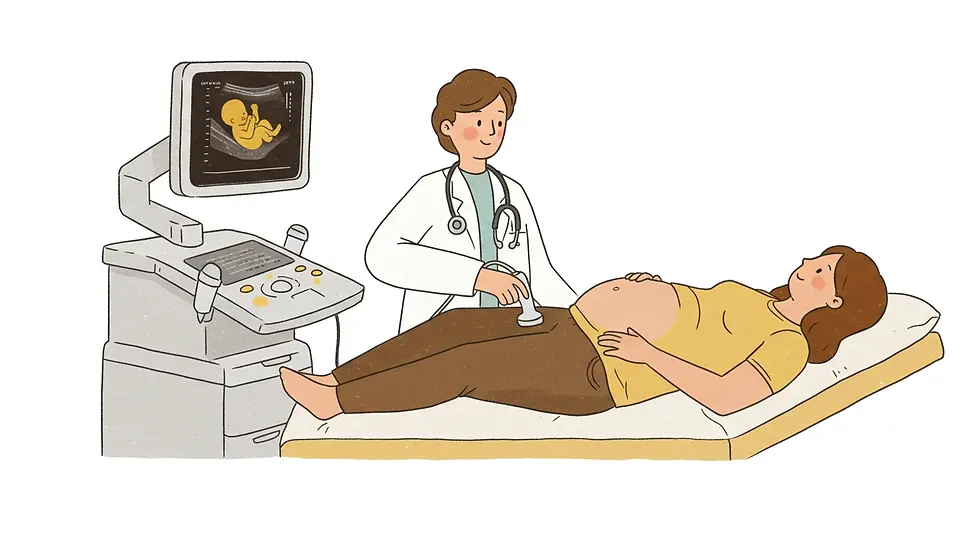
However, for the most accurate results, it’s typically best to wait until around 20 weeks,
when gender differences become more pronounced. While gender predictions can be made as early as week 16, waiting a few more weeks can provide a clearer and more definitive answer
Baby Boy
On an ultrasound, the genitalia of a baby boy may appear as a snail or turtle
shape. This image can be a clue that your baby is a boy.
Baby Girl
For a baby girl, the ultrasound may show three distinct lines (the outer edges of the vulva). These lines are indicative of a baby girl.